A global study has found that devastating wildfires disproportionately affected wealthier regions in 2025, even though the total area burned worldwide dropped to near-historic lows.
The review, reported by The Guardian, examined catastrophic blazes that destroyed homes, jobs, and lives across Europe, Canada, South Korea, and California.
>>> Dublin's Fight-or-Flight Reality: Leaders Avoid Racism Debate After Yves Sakila's Death
Despite these severe impacts, the 335 million hectares burned globally marked the second-lowest total since 2002.
Decline Driven by Agricultural Expansion
Agricultural expansion in parts of Africa fragmented landscapes and slowed the spread of large savannah fires, driving the global decline in burned area.
However, climate change worsened weather conditions, turning blazes into explosive infernos near populated areas where people faced high risks.
Weather disasters caused massive insured losses, with fires accounting for more than 38% of those financial damages last year.
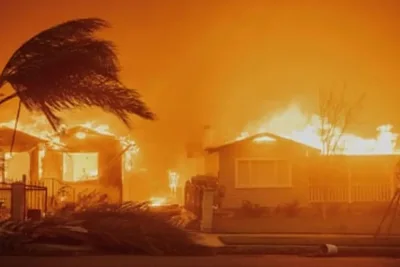
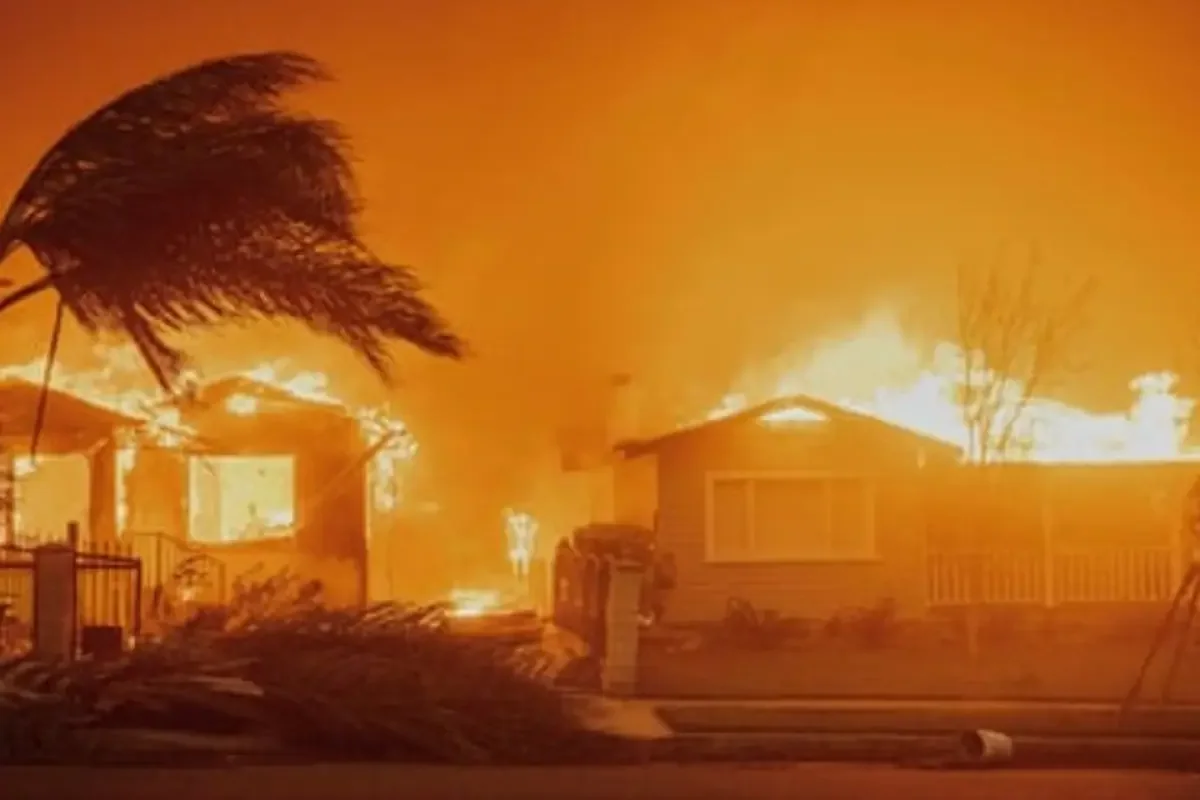
Notable fires included a massive 100,000-hectare Scottish megafire and the destructive Palisades and Eaton fires in Los Angeles.
"2025 shows that a 'quiet' fire year globally can still be devastating," said Matthew Jones, a climate scientist at the University of East Anglia and lead author of the study.
Jones noted that researchers are observing an increasing disconnect between the total area burned and real-world impacts.
Extreme carbon pollution dried out vegetation, allowing high winds to push fires through densely populated zones.
Severe blazes hit the Mediterranean region from Portugal to Turkey due to extreme heat and drought.
Independent researchers emphasized that global heating directly multiplies the likelihood of these fast-moving, large-scale environmental disasters.
>>> The Guest Review: A Flawed Yet Powerful Look at Border Refugee Crisis
"These conditions do not cause the fires, but in the event of a fire, we have material that is more flammable than usual – because it is drier – and wind conditions that fan the flames," said David Garcia, an applied mathematician at the University of Alicante, who was not involved in the study.
Garcia co-authored an attribution study revealing that climate breakdown made the extreme weather fueling last year's Iberian fires 39 times more likely.
"If we continue to warm the planet, large-scale fires will continue to increase," said Garcia.
The drop in total burned area reduced global carbon dioxide emissions to their third-lowest level on record.
Conversely, North American boreal forests in Canada broke records by emitting nearly 4 billion tonnes of CO2 since 2023.
Wildfire smoke pollutants also caused severe public health crises worldwide.
A September study reported that toxic particles from the 2023 Canadian wildfires killed 82,000 people, choking cities across the US, Europe, and Africa.
"The broader pattern highlighted by this study is consistent with what we are observing across southern Europe: while total burned area may fluctuate from year to year, climate change is increasing the likelihood of extreme fire-weather conditions, and fuel accumulation associated with rural abandonment is making many landscapes more vulnerable to large, fast-moving fires," said Adrián Regos, a landscape ecologist at the Biological Mission of Galicia, Spain, who was not involved in the study.
Regos explained that a small number of extreme fires can completely dominate the ecological, social, and economic consequences of an entire season.
>>> Scientific Dating Confirms South Wales Cave Markings as Oldest Rock Art in Britain
"The challenge is therefore not only reducing the number of fires, but increasing the resilience of landscapes and communities to extreme events," said Regos.