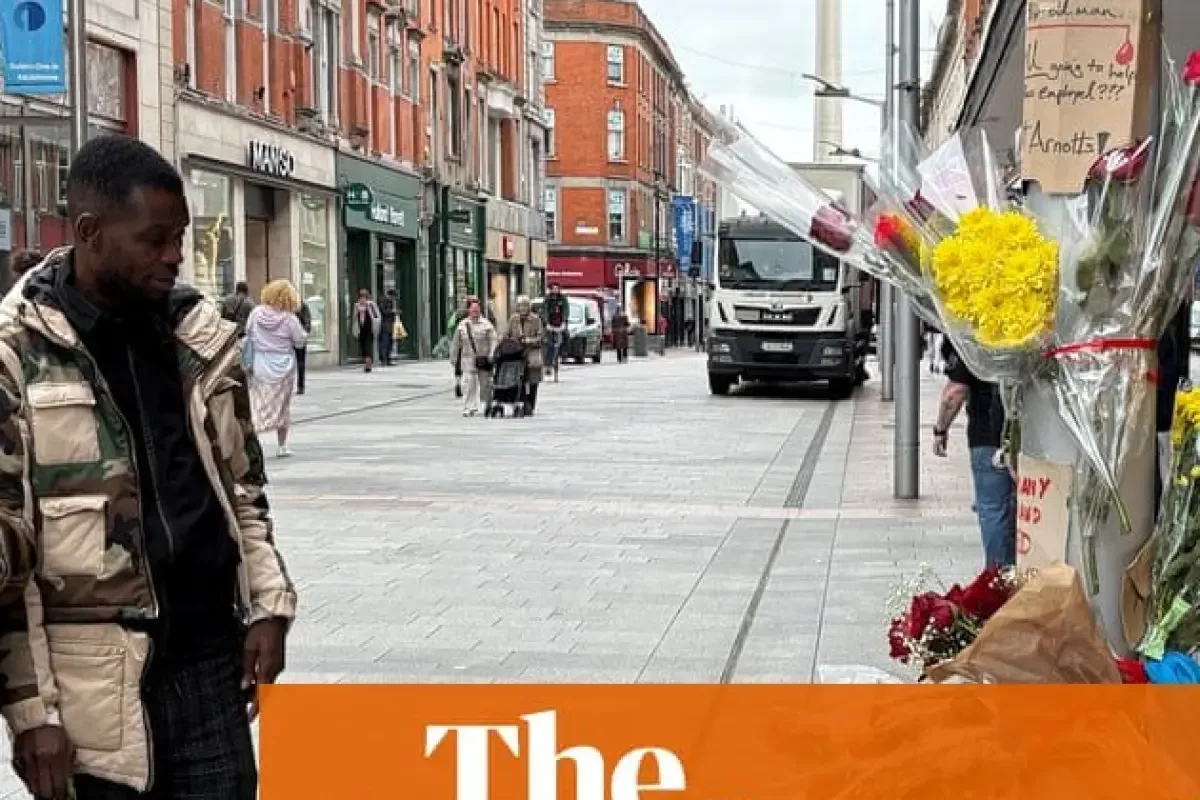
Watching the harrowing footage of Yves Sakila's final moments, it is hard not to recall the agonising death of George Floyd.
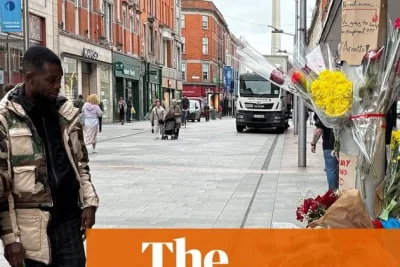
Sakila, a 35-year-old Congolese-born man, was declared dead in a Dublin hospital on 15 May after being pinned to the ground by security guards outside Arnotts department store.
>>> The Guest Review: A Flawed Yet Powerful Look at Border Refugee Crisis
He had allegedly been suspected of shoplifting and fled.
Video footage captured by passersby shows security guards restraining him for nearly five minutes, with one appearing to kneel on his neck.
By the end, Sakila had stopped moving.
The cause of death has not been established, and an initial post-mortem was inconclusive.
The police investigation into claims of excessive force may never reveal what was going through the minds of those involved.
Yet that is what I want to understand.
What would compel someone to kneel on a restrained person's neck? Would it have been different if the suspect had been white?
Six years ago, we protested under Black Lives Matter banners, finally addressing Ireland's overlooked racism. Was that in vain?
Similar questions arose after George Nkencho, a young Black man, was shot and killed by gardaí outside his home in Dublin months later.
As Black people in Ireland, we feel pressured to dismiss such horrific incidents as isolated tragedies. But Sakila's death did not happen in a vacuum.
It fits a pattern of long-established racism.
Growing up in Dublin in the 1990s, I was welcomed by some and reviled by others. I was spat at and intimidated because of my skin colour.
Like most Irish people of colour, I have felt the watchful gaze of security guards in spaces like Arnotts.
This was before social media amplified bigotry, predating the Dublin riots, violent attacks on migrants, and burning of asylum seeker shelters.
Online radicalisation has made those voices louder.
>>> Scientific Dating Confirms South Wales Cave Markings as Oldest Rock Art in Britain
At 37, I still navigate Ireland in fight-or-flight mode. Yet after an event drawing international attention, most of the country appears in denial.
Taoiseach Micheál Martin offered condolences, saying the situation must be thoroughly investigated. But showing no willingness to ask if racism played a part lets the danger grow.
Martin should take decisive action against ingrained racism, yet he shifts blame for homelessness and housing failures onto migrants.
Just weeks before Sakila's death, former taoiseach Bertie Ahern was recorded sharing concern over migrants.
“The ones I worry about are the Africans,” he said, adding, “We can't be taking in people from the Congo.”
Ukrainian refugees were different, he stressed.
The events involved private security personnel working for Arnotts, owned by Selfridges Group.
A spokesperson expressed condolences, saying no loss of life should result from a retail security incident.
But it feels as though private property—an alleged stolen bottle of perfume—was deemed more valuable than a human life.
The store said it would review its security services. Will the multinational take responsibility, or outsource it to hired help?
Modern Ireland is defined by multinational corporate power, income polarisation, and a cost-of-living crisis.
In a climate where former prime ministers scapegoat marginalised communities, the lack of a profound debate about systemic racism risks enabling more violence.
Comments like Ahern's are xenophobic fuel for angry, disenfranchised people. Ireland maintains a pristine image abroad, but racism is a reality for many citizens.
How long before a case like Sakila's happens again? Black people and people of colour want answers.
>>> M6 Motorway Closed After Lorry Overturns Near Rugby
Are white Irish people asking themselves the same questions?