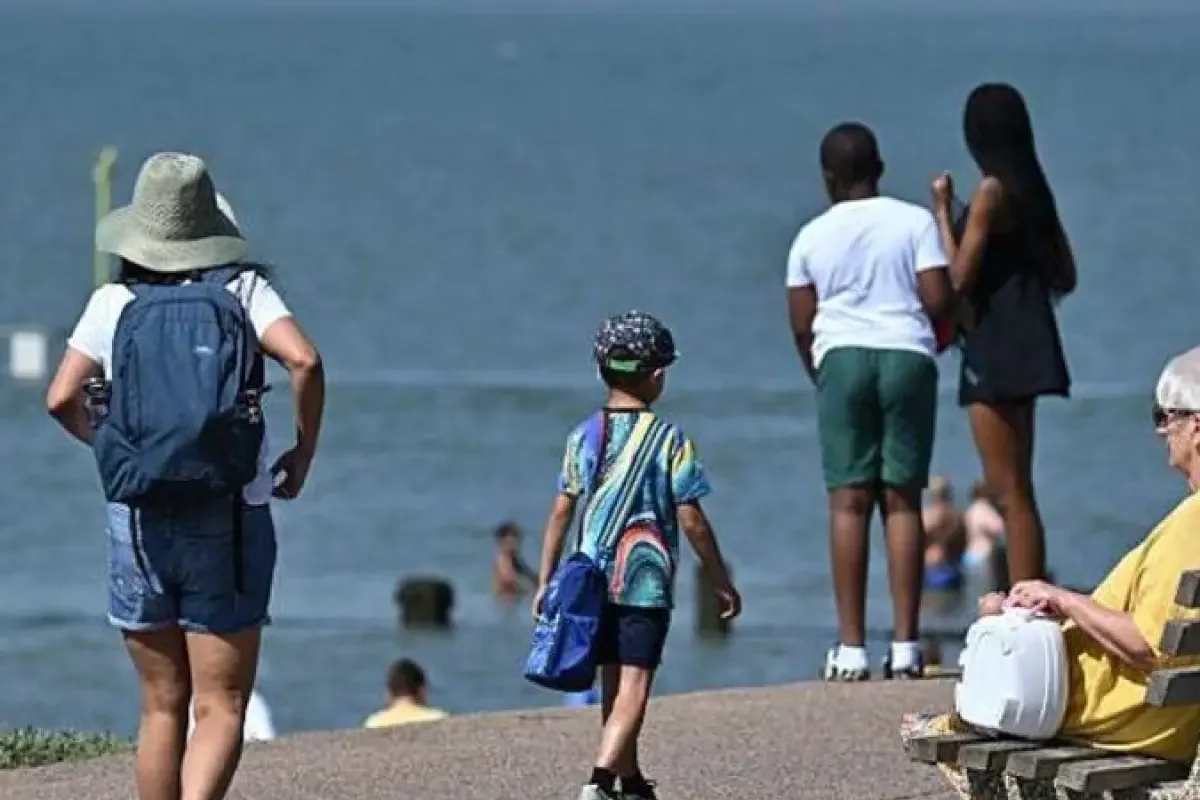
The UK Met Office and MeteoGroup have released long-range forecasts on June 1, 2026, projecting a warmer-than-average summer with an increased risk of heatwaves across the country.
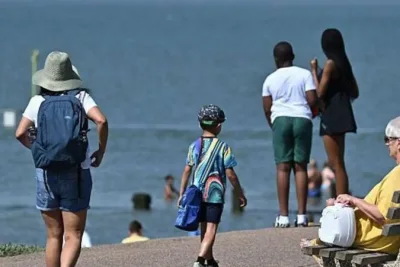
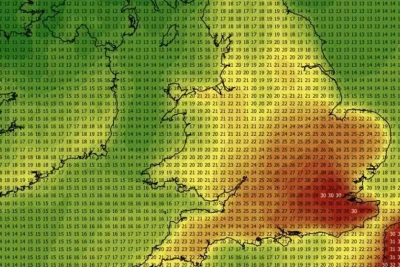
This outlook follows a historic meteorological spring where England and Wales experienced their warmest seasons on record, fueled by a late May heatwave that saw temperatures reach an all-time May record of 35.1 degrees Celsius at Kew Gardens, London.
>>> Anna Faris Returns to Scary Movie Franchise After Career Lull
Provisional data indicates that all three spring months ranked within the top ten warmest for the UK, with forty counties experiencing their highest mean temperatures since 1884.
While winter precipitation left most reservoirs near seasonal averages, an extremely dry spring in southern and eastern England has already caused river flows to drop and triggered water supply stresses for multiple utility companies.
The contrasting weather patterns also saw the Western Isles of Scotland experience their seventh-wettest spring, while eastern Scottish counties returned to water scarcity alerts.
Climate attribution models indicate that the likelihood of a hotter summer has now doubled compared to the 1991-2020 reference averaging period.
"This spring highlights both the natural variability of the UK’s weather and the longer-term warming we are observing.
While conditions varied through the season, all three months of meteorological spring recorded mean temperatures within the UK’s top ten warmest on record," said Dr Emily Carlisle, Met Office Scientist.
The meteorological agency noted that recent seasonal patterns demonstrate a stark reversal of the high rainfall anomalies observed during the preceding winter.
"While we expect fluctuations from year to year, this spring shows some of the changes we're seeing in our weather patterns, with more extreme conditions becoming more frequent.
>>> Magnitude 4.1 Earthquake Strikes Southern California; Minor Tremor Shakes Northern California
The fact that nine of the ten warmest springs in England have occurred since 2007 illustrates this ongoing shift in the UK’s climate," said Dr Emily Carlisle.
The high temperatures at the end of May drove unprecedented short-term spikes in water demand, causing supply disruptions for 18,000 households under South East Water.
"While individual weather events are influenced by natural variability, our climate attribution studies show that the likelihood of exceeding UK May temperature records has increased significantly as the climate warms, meaning such extremes are now becoming more likely," said Dr Emily Carlisle.
Government officials are monitoring environmental indicators closely as water companies face immediate pressure from shifting precipitation trends.
"No parts of England are currently in drought, but the risk increases the longer it remains hot and dry.
The recent heatwave has seen significant peaks in demand for water, while river flows have fallen due to the very dry spring, and reservoir levels are reducing," said Helen Wakeham, Environment Agency Director of Water and Chair of the National Drought Group.
The Environment Agency has scheduled an upcoming strategy meeting to manage resources if the dry conditions persist into the summer months.
"We continue to closely track the situation and have convened a National Drought Group meeting in the coming weeks, so we are prepared if the dry conditions remain.
>>> Supergirl Faces Box Office Hurdles Ahead of June Release
We must continue to adapt to our changing climate and all be wise with our water use," said Helen Wakeham.