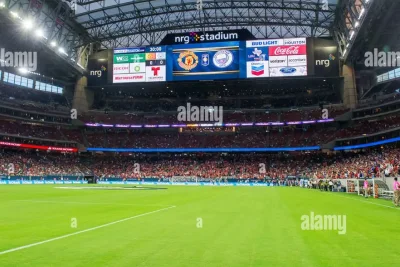
The upcoming World Cup is expected to drive British electricity consumption to historic levels, as millions of football fans turn on appliances during match intervals.
The National Energy System Operator (NESO) reported that group stage matches featuring England and Scotland could trigger national electricity spikes of approximately 600 megawatts, equivalent to the combined power demand of Leeds and Glasgow.
>>> Philadelphia Braces for Another Heat Wave After Brief Cool Down
Expanded Tournament, Higher Demand
Grid operators anticipate a 60% increase in total electricity demand across the full competition compared to the 2022 tournament in Qatar, translating to 18 gigawatts of additional power usage over 39 days.
The highest single spike is projected for June 17, 2026, during the opening match between England and Croatia, where demand could increase by up to 800 megawatts.
Scotland's return to the tournament after 28 years will also impact the grid, raising late-night usage by up to 200 megawatts during matches against Haiti, Morocco, and Brazil.
Historical data shows power surges regularly follow major sporting moments, such as the 2,800-megawatt spike after England's 1990 semi-final penalty shootout defeat against West Germany.
>>> American Tourist Charged €44 for Two Gelatos in Rome
Recent tournaments also showed significant grid activity, including a 1,400-megawatt jump during the 2018 match against Colombia and a 914-megawatt half-time increase during the 2022 fixture against France.
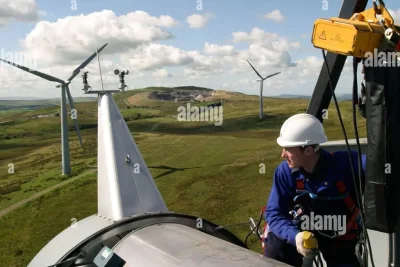
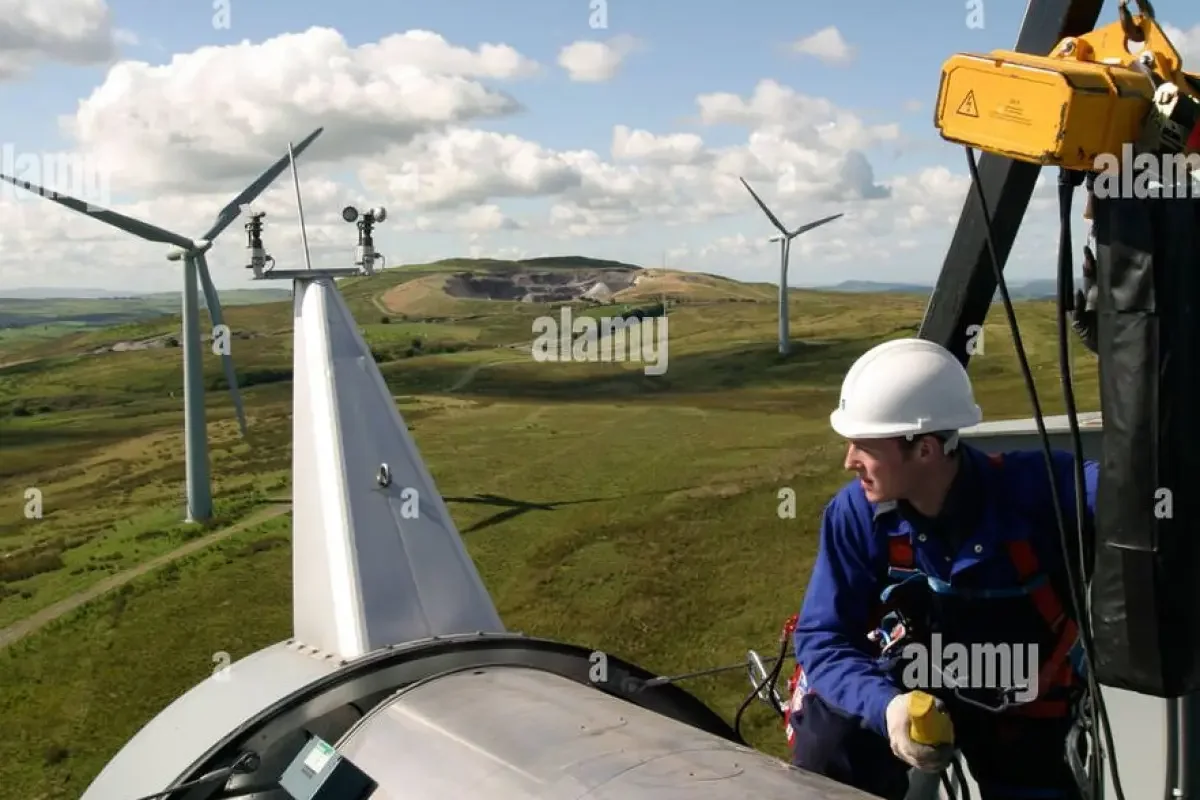
Despite high viewership, renewable energy sources are expected to supply 40% to 50% of the electricity required for British television viewing during this tournament cycle.
"Watching this year’s World Cup will almost certainly be powered by the cleanest electricity in history," said Craig Dyke, Director of System Operations at NESO.
"Our engineers will be working around the clock to balance supply and demand, meaning fans can be sure to enjoy every moment of the beautiful game, whatever the result."
>>> NBC Cancels Nine Shows in Major Content Overhaul for 2026-27 Season
Improved appliance efficiency means Britain will likely consume 20% less electricity to watch the tournament than during the 1998 World Cup, despite a population increase of 11 million people.