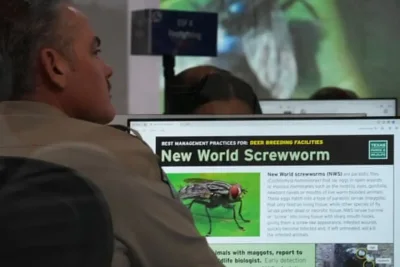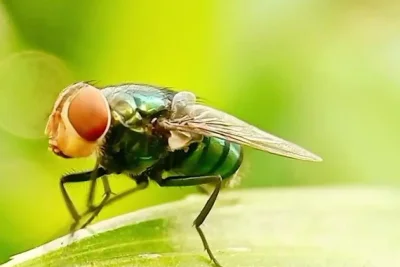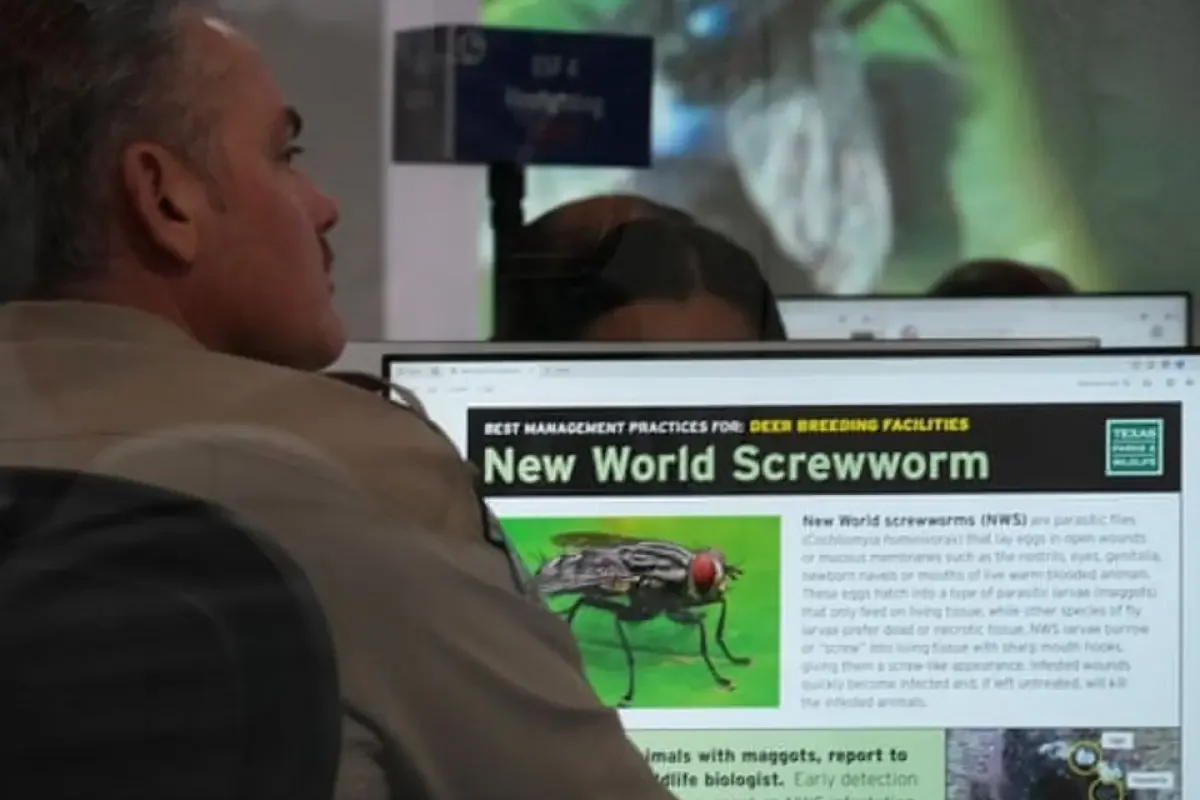
The United States Department of Agriculture confirmed a second case of the flesh-eating new world screwworm parasite in Zavala County, Texas.
The initial detection occurred in a one-year-old calf, as reported by The Guardian.
>>> Montreal Residents Cut Water Use by Only 1% After Pipe Warning
Federal and state agricultural agencies responded by releasing millions of sterile flies near the infestations to halt reproduction.
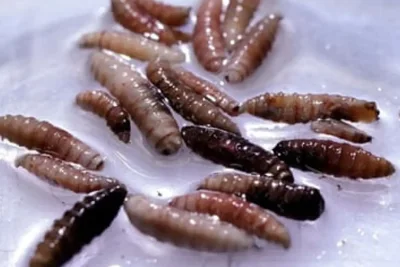
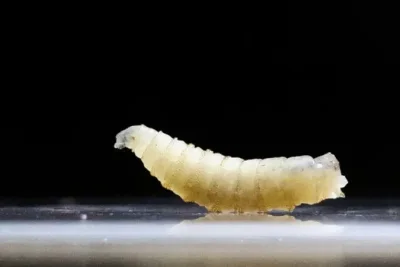
The parasite larvae feed on the living flesh of warm-blooded animals and humans.
The Texas Animal Health Commission established an infested zone and restricted animal movements.
This is the first domestic detection of the parasite since the 1960s after its northward progression from Central America was observed in 2023.
The commission stated that the introduction of sterile flies, combined with enhanced surveillance, movement restrictions, prompt treatment of wounds, and education efforts, is a proven tool for controlling and eradicating the pest.
Commission officials urged livestock owners to remain vigilant and inspect their animals regularly for any signs of larval activity in open wounds.
"TAHC has been actively preparing for a resurgence of NWS for over two years," said Dr Bud Dinges, Director of the Texas Animal Health Commission.
>>> Louisiana Church Alters Bulletin to Pray for Clergy Abuse Victims
Dinges emphasized that the agency is putting those preparations into action immediately to protect the regional livestock industry.
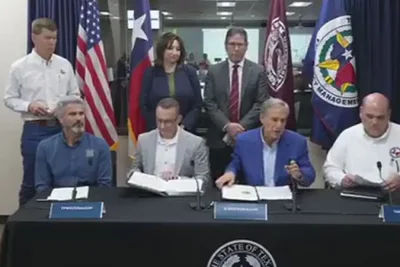
Texas Governor Greg Abbott issued a statewide disaster declaration on Friday, warning that the infestation poses a severe economic threat to the state's cattle industry during the prime transmission season.
"We're in the season for spread," said Greg Abbott, Governor of Texas.
The governor noted that the state is collaborating with federal authorities to manage the outbreak before it impacts the broader agricultural sector.
The USDA Animal and Plant Health Inspection Service discovered the second infestation after testing multiple suspect cases.
The agency clarified that the US food supply remains secure because the parasite does not infest processed meat, fruits, or vegetables.
The detection follows a year-long closure of the US-Mexico border to live cattle imports due to the disease, which has contracted the 100-billion-dollar US beef industry to a 75-year low.
>>> Severe Storms Threaten Quebec Regions with High Winds and Heavy Rain
Following the Texas outbreak, Canada's Food Inspection Agency enacted a temporary ban on livestock imports from Texas, barring any cows or horses that were in the state within 21 days prior to crossing the border.