The U. S.
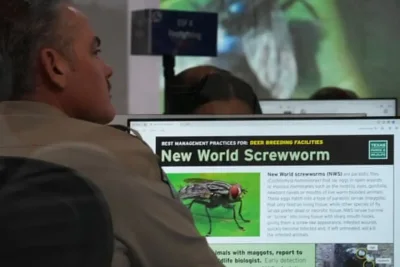
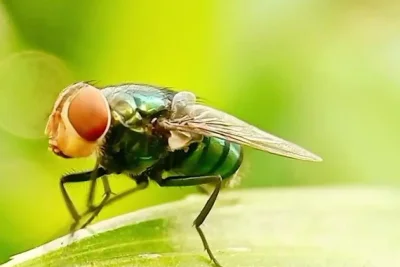
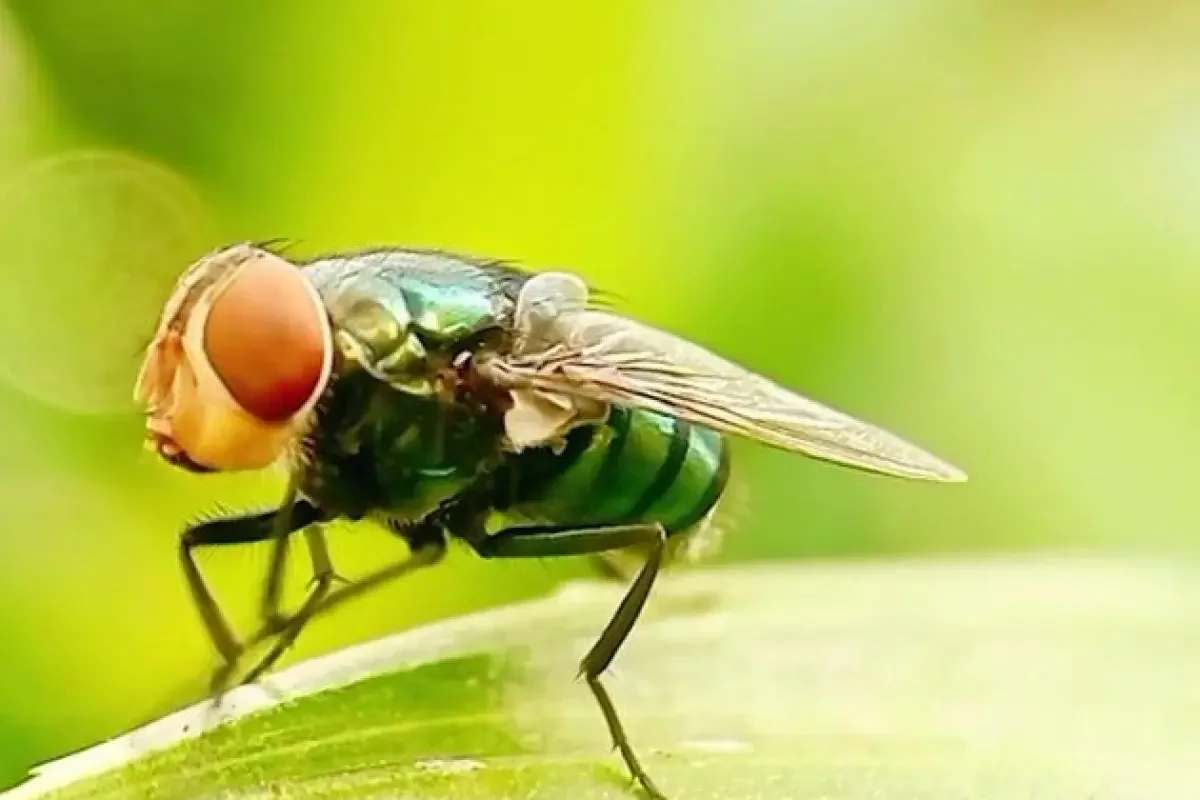
Department of Agriculture is tracking a New World screwworm case detected just 25 miles from the Texas border in Coahuila, Mexico.
>>> Family Searches for Auburn Student Missing in Japan
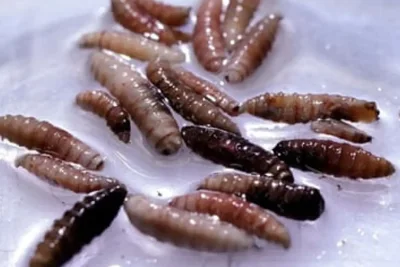
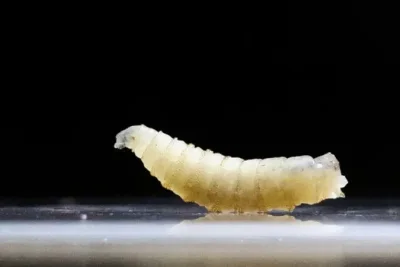
The parasite was found in a five-year-old goat, marking the closest approach to American soil since last September.
According to USDA data, over 26,000 screwworm cases have been reported across Mexico, with more than 2,700 still active.
Nineteen active cases are in Coahuila state.
USDA Response and Containment Strategy
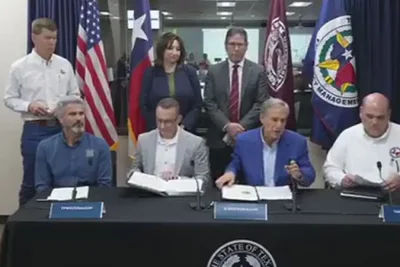
Agriculture Secretary Brooke Rollins announced a five-pronged containment plan to protect U. S.
livestock.
Measures include closing livestock ports and constructing a $750 million sterile fly production facility at Moore Air Base in South Texas.
The facility will produce up to 300 million sterile flies per week to disrupt the pest's reproduction.
Rollins emphasized that the USDA is leading a technologically advanced response to prevent a repeat of past crises.
Rollins also addressed false reports of a detection one mile from the border, stating such misinformation causes panic and disrupts operations.
>>> Director Adam Marcus Criticizes Late Actor Val Kilmer Over Past Behavior
She confirmed the goat case is the closest detection to date.
The USDA is investing an additional $21 million to upgrade a biological facility in Metapa, Mexico, into a sterile fly dispersal hub.
The department updates its online portal twice weekly for any parasitic activity within 400 miles of the U.
S.
State and Federal Monitoring Efforts
The Texas Animal Health Commission has inspected over 58,000 suspicious flies, with none testing positive for screwworm.
Director Dr. Bud Dinges urged livestock owners to check animals for open wounds.
State authorities are expanding monitoring and sterile fly release sites in southern ranching corridors.
Dinges noted that while exclusion remains possible, preparations must assume the pest could reach Texas.
The Centers for Disease Control and Prevention reported that the parasite has migrated northward from South America and the Caribbean over three years.
>>> Quebec Food Banks Launch Viande Solidaire Program to Reduce Shortages
A single human case was confirmed last year in a traveler from El Salvador, with no secondary transmission.