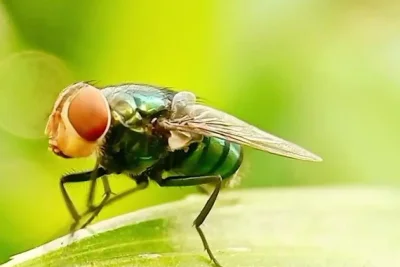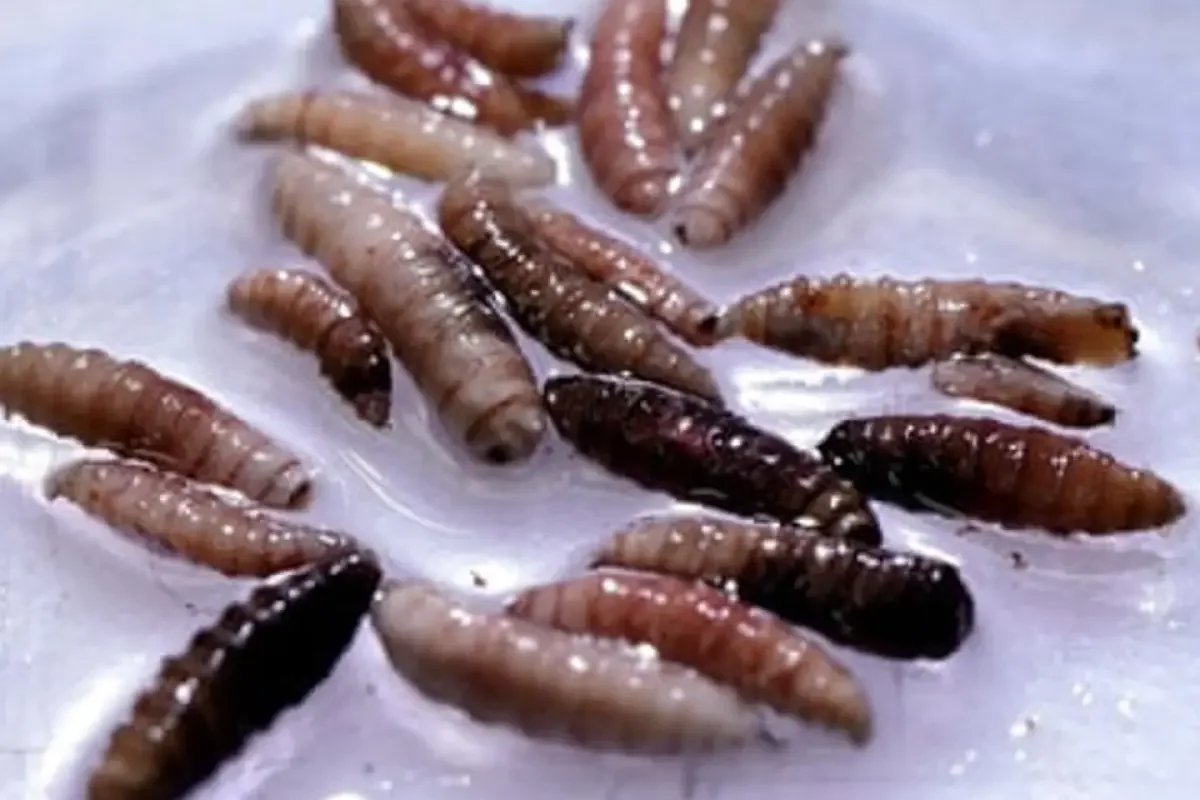
Agriculture officials confirmed on Wednesday that a flesh-eating parasite has been detected in a Texas calf, marking the first New World screwworm case in United States cattle in six decades.
The discovery occurred in southern Texas, approximately 50 miles from the Mexico border, according to The Guardian.
>>> Bayeux Tapestry to Be Loaned to British Museum in Historic 2026 Exhibition
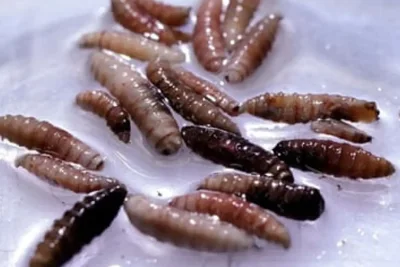
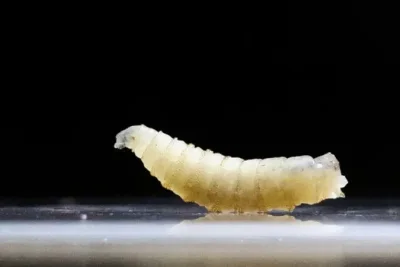
The New World screwworm fly larvae feed on the blood of warm-blooded animals, posing a significant threat to the domestic livestock industry.
Federal and state agricultural officials had spent more than a year warning livestock owners about the parasite's progression across Mexico before this case was identified.
Past eradication efforts in the 1970s successfully eliminated the pest from the country after it caused tens of millions of dollars in industry losses.
The resurgence raises economic anxieties because domestic food prices, particularly for beef products, remain at record highs across the nation.
The federal agriculture agency has defended its containment protocols and stated that the current single detection does not indicate a widespread outbreak.
"There is no threat of mass infestation," said Brooke Rollins, the Agriculture Secretary.
The agency head emphasized that the isolated occurrence in Texas represents the sole confirmed case of the parasite within the state borders since the mid-1960s.
"There is no reason to believe this incursion will result in establishment of the pest in our country," Rollins said.
Federal Response and State Criticism
The agency had previously collaborated with the Army Corps of Engineers and Mortenson Construction to build a sterile fly production facility at Moore Airbase in Edinburg, Texas, to disrupt the reproductive cycles of the pests.
>>> Marjane Satrapi, Acclaimed 'Persepolis' Author, Dies at 56
State agricultural leadership expressed criticism regarding federal containment strategies, noting that the parasite advanced over 1,100 miles from southern Mexico despite existing suppression protocols.
"For months, the screwworm has advanced rapidly through Mexico in spite of the USDA's existing gameplan," said Sid Miller, the Texas Agriculture Commissioner.
The state official urged federal authorities to accelerate the deployment of the Screwworm Adult Suppression System (SWASS), which combines chemical attractants and targeted insecticides to diminish adult fly populations before releasing sterile insects.
"Even though billions of sterile flies have been dispersed by USDA, the screwworm has still advanced over 1,100 miles from southern Mexico to Texas, and USDA has missed an important component," Miller said.
The state commissioner noted that SWASS had previously served as an effective playbook during prior eradication campaigns conducted by the federal government.
"SWASS was developed by USDA, tested by USDA, and successfully deployed by USDA to eradicate screwworm in Mexico and Texas when it last appeared," Miller said.
The state official questioned whether the federal authorities would fully utilize the established eradication protocols before the biological threat escalates further.
"USDA already owns the playbook; the only question is whether USDA will use it before this situation gets worse," Miller said.
Prior eradication victories led federal authorities to dismantle domestic breeding facilities, leaving a single operational facility located in Panama for several decades.
>>> Armed Robber Flees After Targeting Hoogezand Gas Station
In Mexico, high pharmaceutical expenses previously forced local ranchers to utilize gasoline or lime on open livestock wounds to dislodge the larvae.