Texas Gov.
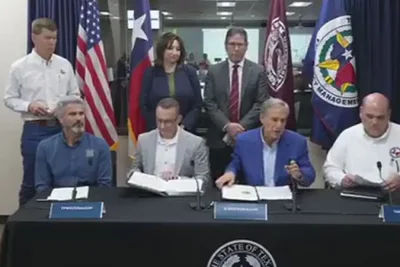
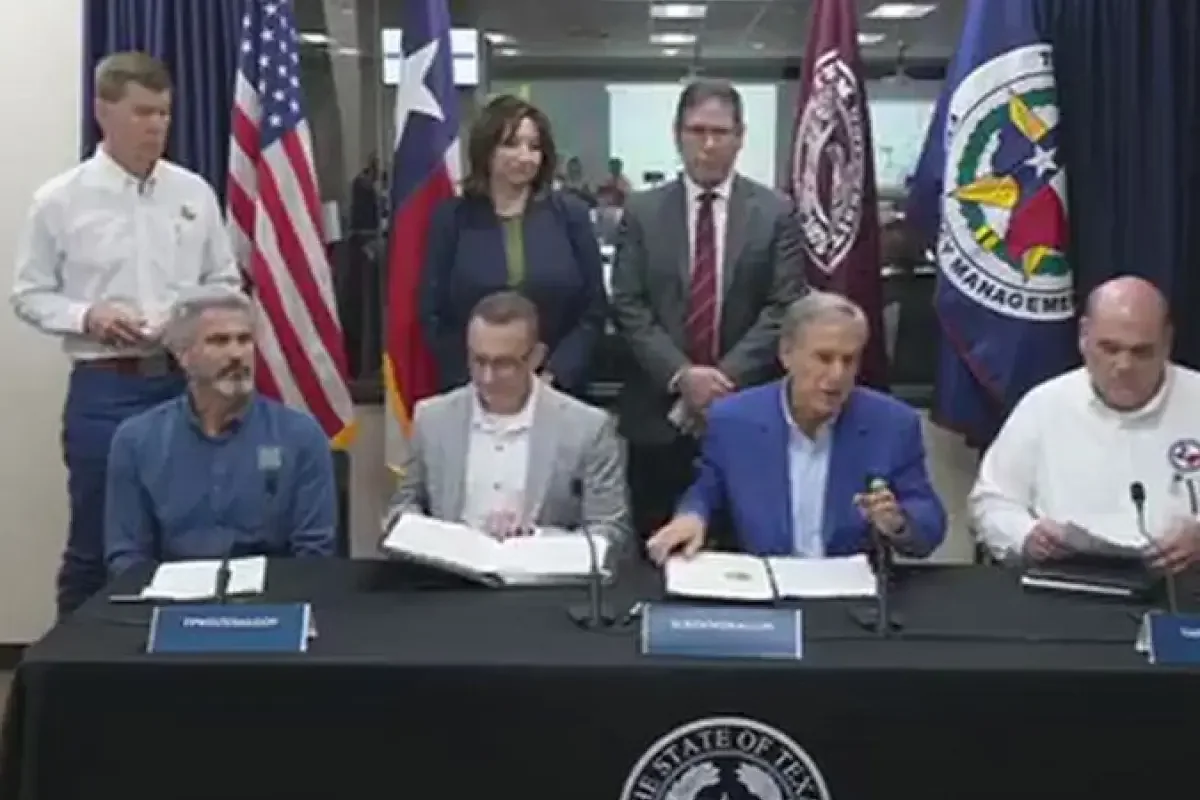
Greg Abbott updated a statewide declaration on Friday to authorize the use of all available state government resources after federal officials confirmed a New World screwworm case in Zavala County on Wednesday.
>>> Warner Bros Schedules Supergirl Early Screenings and Comic Giveaways
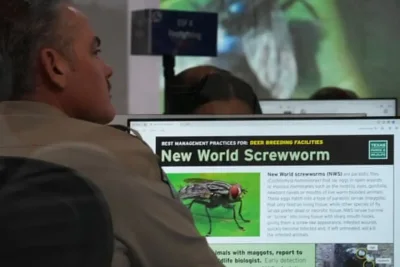
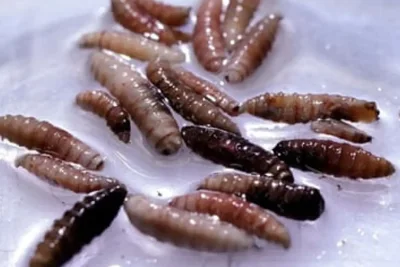
The parasitic fly larva infests the tissue of warm-blooded animals and threatens the state's $15 billion cattle industry, though officials emphasize that the situation does not impact food safety.
Texas Animal Health Commission Executive Director Dr. Lewis "Bud" Dinges stated that agency personnel have treated the infected calf and found no further infestations after inspecting the herd.
"This is not a food safety issue; this is a food production issue," Dinges said.
Dinges noted that animal owners need to monitor their livestock for open wounds to prevent infestations because the pests do not target meat, fruits, or vegetables.
"New World screwworms do not infest meat, fruits, vegetables, or other food sources ... Infestations from the pests can be prevented.
Animal owners need to look at their animals as often as possible, stay vigilant, monitoring for wounds that can be covered or treated.
This is not an infectious disease.
And these flies have to either lay eggs in, on, or near the wound for the animal to become infested," Dinges said.
State Response and Prevention Efforts
The state response includes reassigning personnel to accelerate the movement of sterile flies and to speed up the construction of a new production facility in Edinburg.
"A cure and prevention that the federal government has implemented in the past. It involves the release of sterile flies.
It breaks the pests reproduction cycle. The prevention requires the release of millions of sterile flies in targeted regions," Abbott said.
The governor noted that the U. S.
Department of Agriculture is already importing and dispersing the sterile flies into South Texas to counter the pest.
>>> Post-Prison Homelessness Drives Record High Deaths in England and Wales
"The USDA is now importing and dispersing those flies into South Texas, and the USDA is also constructing a new sterile screw worm production facility in Edinburg.
It is essential that that facility be up and running as quickly as possible," Abbott said.
State officials are prioritizing emergency resources in Zavala and Uvalde counties but will expand the list if additional infestations are identified.
"This is a highly treatable condition if acted on quickly, whether it be for someone's pets or someone's cattle.
Constant contact with your veterinarian is very important to be able to relay any observation of any open wounds or any infestation so that it can be treated," Abbott said.
Texas previously established a response team last year involving veterinarians, wildlife experts, and livestock producers to prepare for the possible arrival of the pest.
"And whether it be a pet, or cattle, or other type of livestock, the goal is to treat it as quickly as possible.
Pets like dogs and cats with outdoor exposure and untreated wounds need close monitoring all the time," Abbott said.
The governor urged residents to check animals daily, reduce fly populations, keep suspected animals stationary, and report any signs of the larvae to the TAHC or Texas Parks and Wildlife Department.
"Bottom line: Texas is resilient. Our producers, veterinarians, and state officials are among the very best in the United States.
It is critical for them and for our fellow Texans to stay vigilant and informed," Abbott added.
The state has successfully managed the insect during past outbreaks through eradication programs.
>>> King Charles Attends Peter Phillips Wedding in Cotswolds
"We have, in the past, prevented, as well as eradicated this pest, and we can do it again," Abbott said.