A fierce debate over electric bike regulations erupted in London on June 1, 2026, after political commentator Peter Hitchens accused families using electric cargo bikes for the school run of riding illegal, heavy electric motorcycles.
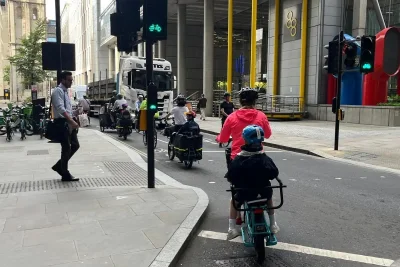
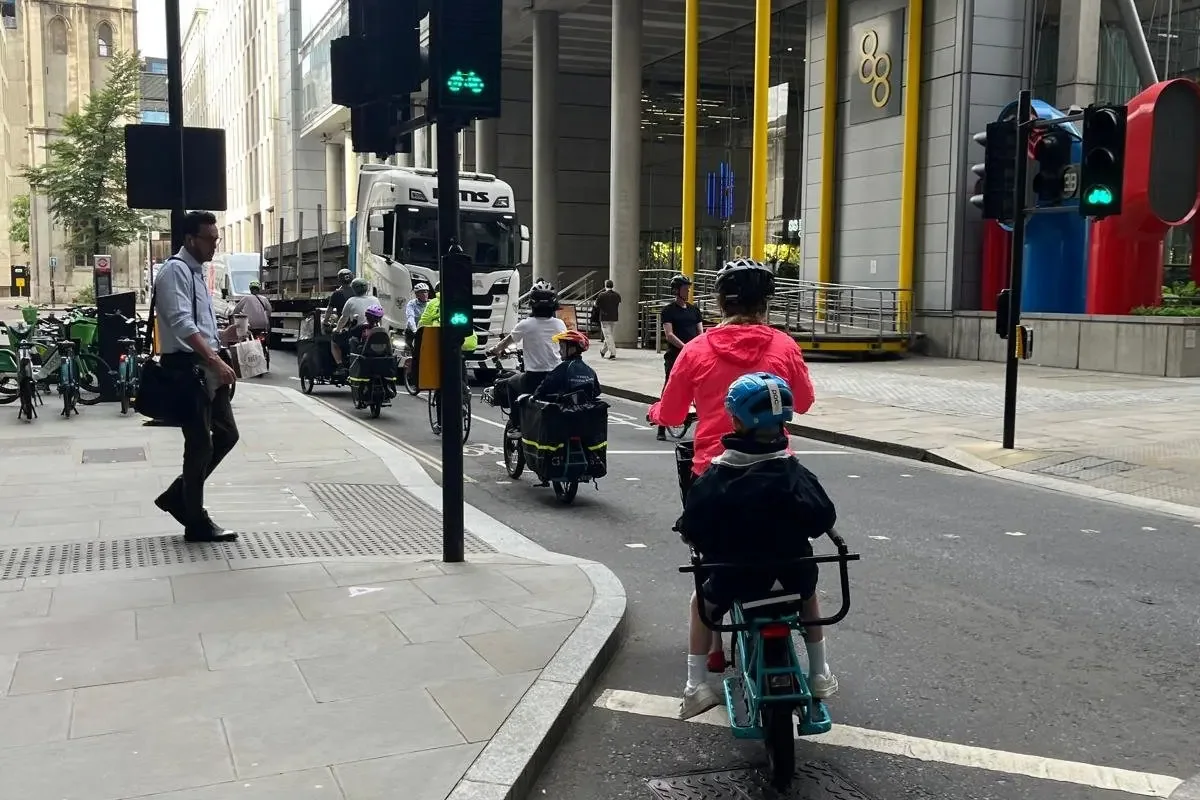
The controversy began when London Walking and Cycling Commissioner Will Norman shared a photo of five family bikes at a junction, highlighting changing commuting habits.
>>> Study Finds Widespread PFAS Pesticide Contamination in California Waterways
Norman noted that over 250,000 cars participate in the morning school run and claimed dedicated bike lanes enable families to choose better transit options.
Hitchens challenged the observation, asserting the vehicles were not authentic bicycles. He argued they lacked proper regulatory oversight despite being motorized.
"These are not bikes but very heavy electric motorcycles, mysteriously exempt from licensing, registration, driving tests, and insurance," Hitchens posted.
Norman immediately disputed the classification, maintaining the specific bicycles were fully compliant with British transport regulations.
"These weren't. They were fully compliant e-bikes – have to be pedalled and are capped at 15.5mph etc.
I share your concerns re: illegal e-bikes that are akin to electric motorcycles (don't need to be pedalled, power not capped etc) and have raised this with government," Norman posted.
Hitchens rejected the clarification, invoking historical transport frameworks. He questioned why modern regulatory exemptions had been implemented.
"The basis of British road safety since 1934 has been that any powered vehicle must display a licence plate and be insured, and that its driver or rider must hold a licence to drive it and have passed a test.
This rule has been quietly abandoned with major effects. Why?
Where are the records of the process by which the EU, and then the UK government, abandoned this wise principle," Hitchens posted.
Historical Perspective Challenged
The Road Danger Reduction Forum challenged Hitchens' historical view.
Chair Dr Robert Davis argued that licensing frameworks had historically failed to eliminate dangers from larger motorized vehicles.
"I'm sad that you've gone down this road. Firstly, 'licensing, registration etc' haven't controlled or properly regulated cars/vans/lorries, have they?
That's an important point to make. Secondly, the legal EAPCs require pedalling and are at least a kind of cycling.
>>> Jury Awards Iskander Family $176 Million in Civil Suit Over Hit-and-Run Deaths
You should know that 'the basis of British road safety' has been deference to motoring, illegal or otherwise," Davis wrote.
"Exactly what have been the benefits of licensing etc?
Maybe overall there have been – but not sufficient to bring the danger posed to other road users by car/van/lorry drivers and motorcyclists down to that of cyclists.
And how many drivers are reported successfully with use of their number plate? These measures are not in any way good regulation," he added.
The dispute intensified as Hitchens extended his criticism to the physical presence of e-bikes in dedicated lanes. He characterized the use of motorized assistance as an unfair practice.
"Cycle lanes were created for muscle-powered, clean, healthy cycling, not for fast, exercise-free, dangerous, heavy electric motorbikes. That is why it is cheating," Hitchens said.
Cyclist James Hiddell countered that safety concerns should focus on speed differentials rather than rider effort.
Hitchens dismissed the argument, asserting that commercial hire models and cargo variants overcrowded the infrastructure.
"You are mistaken," Hitchens replied.
"The electric motorbikes which have now invaded cycle tracks are usually heavy hire versions, cargo bikes or illegal fatbikes.
Cycle lanes are not wide enough to allow them to mix safely with pushbikes.
I rarely ride above 12 mph, let alone 'cruise' electric motorbikes, even if genuinely restricted to 15mph (which few are) are a grave hazard if they hit you."
Hitchens recalled supporting campaigns for dedicated cycle tracks in the 1970s and 1980s, noting that pushbikes don't mix with heavy engined traffic.
>>> Border Patrol Arrests 36 Undocumented Truck Drivers in Arizona Operation
He lamented that after winning dedicated tracks, they were "invaded by electric motorbikes."