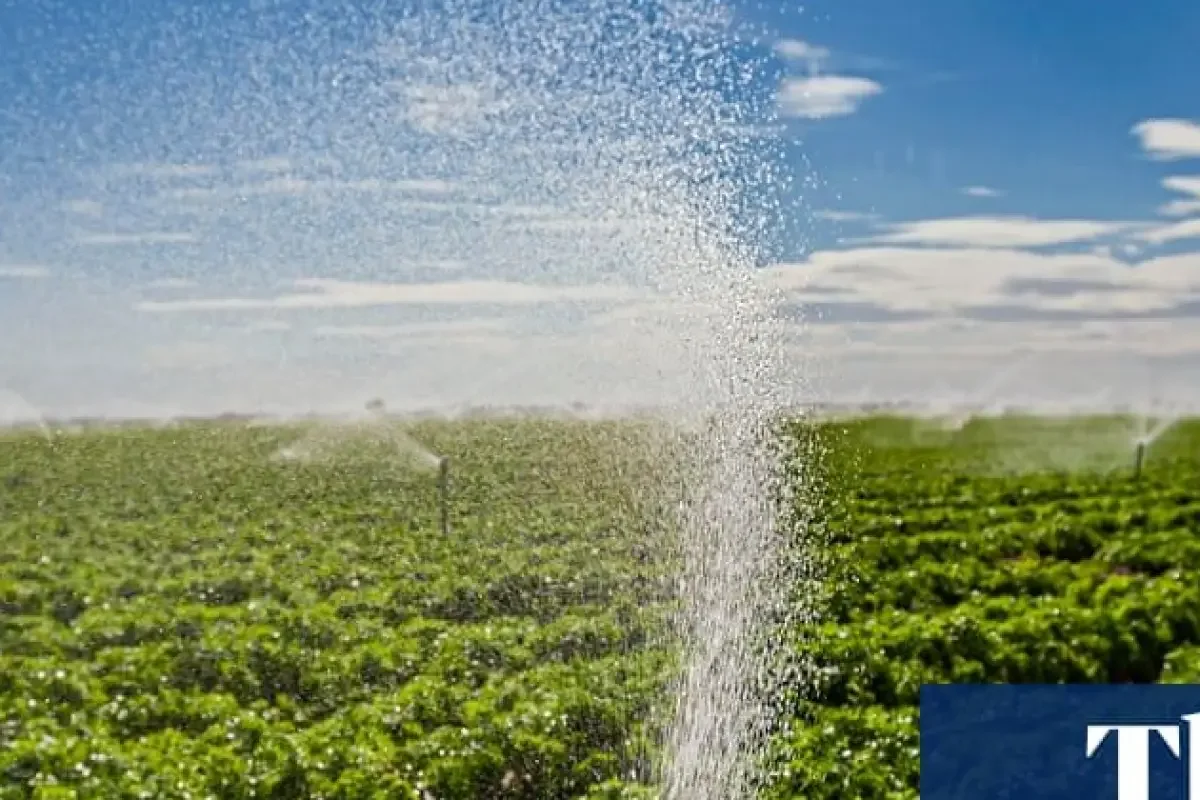
A new analysis of state and federal records has uncovered widespread contamination of California water sources with PFAS pesticides, commonly known as "forever chemicals."
The comprehensive review, reported by The Guardian, examined data from the California Department of Pesticide Regulation and the United States Geological Survey.
>>> Jury Awards Iskander Family $176 Million in Civil Suit Over Hit-and-Run Deaths
It marks the first systematic check for these dangerous substances in rivers and streams used as drinking water sources.
According to the findings, around half of the tested waterways contain agricultural pesticides classified as PFAS.
More than half of the sediment samples also exhibited varying levels of these persistent compounds.
The data emerged just days after a legislative proposal to ban PFAS pesticides failed in the California State Assembly.
However, parts of the legislation survived, including a moratorium on approving new PFAS-based pesticides.
Health and Environmental Concerns
PFAS represents a class of at least 16,000 synthetic compounds used to make products resistant to water, stains, and grease.
These indestructible chemicals can persist in the environment for thousands of years and are linked to cancer, birth defects, decreased immunity, high cholesterol, and kidney disease.
Chemical companies add these substances as active or inert ingredients in food crop pesticides to eliminate weeds or insects.
A 2023 analysis of Environmental Protection Agency data showed that at least 60% of active pesticide ingredients fit the broad definition of PFAS.
State records from last year show that California farms applied an average of 2.5 million pounds of PFAS annually on cropland between 2018 and 2023.
Recent regulatory tests found chemical residues on 37% of all produce, including 90% of peaches, plums, and nectarines, and 80% of strawberries and grapes.
Regulators restricted their water testing to streams across 10 specific counties. The highest concentrations appeared in heavy agricultural zones, particularly within Monterey and San Luis Obispo counties.
Earlier research identified the highest applications of PFAS pesticides in Fresno and Kern counties, though water pollution data was not gathered there.
Varun Subramaniam, a report co-author with the Environmental Working Group (EWG), stated that the current results are almost certainly an undercount due to the limited scope of testing.
At least 10 distinct PFAS compounds were identified in waterways across the state.
>>> Border Patrol Arrests 36 Undocumented Truck Drivers in Arizona Operation
The highly toxic insecticide bifenthrin, linked to cancer, was detected in every waterway sampled in San Luis Obispo County.
Bifenthrin was also found in more than 80% of water samples within Stanislaus County, which encompasses Modesto and parts of the Central Valley.
Evaluating the total health threat remains difficult because current pesticide laws do not require manufacturers to assess risks like immunotoxicity or hormone disruption.
Varun Subramaniam indicated that regulators lack the proper resources to evaluate these threats.
Furthermore, regulatory bodies do not measure the cumulative impact of drinking contaminated water while simultaneously eating produce containing the same chemical residues.
"The fact that the chemicals are permitted is largely because we’re not considering all the ways that they can harm us," Subramaniam added.
Legislative Response and Industry Opposition
The proposal for a full ban by 2035 failed following intense pressure from the agricultural lobby, though the moratorium on new chemical approvals remains intact.
The California Farm Bureau opposed the bill, labeling it an unworkable approach that departs from science-based regulation while harming farmers economically.
The surviving legislation mandates that pesticide products carry warning labels alerting farmers to the environmental and health risks of PFAS.
Susan Little, the California legislative director for the EWG, stated that most agricultural workers are unaware they are spreading these chemicals on food crops.
The new bill grants local leaders expanded authority to limit pesticide usage and formally defines these agricultural chemicals as PFAS.
The current pesticide office in California employs a narrow definition favored by the chemical industry that excludes smaller compounds.
Environmental advocates argue the new regulations are vital as federal authorities move to approve additional PFAS pesticides.
California officials also recently reapproved the insecticide sulfoxaflor, despite previous court rulings striking down its approval due to high toxicity to pollinators like honeybees.
Susan Little expressed disappointment that the total ban was eliminated from the final text.
>>> Thunder Bay Faces Unsettled Weather Ahead of Clearer Weekend
However, she noted that the bill will still reduce the overall use of PFAS pesticides if approved by the State Senate.