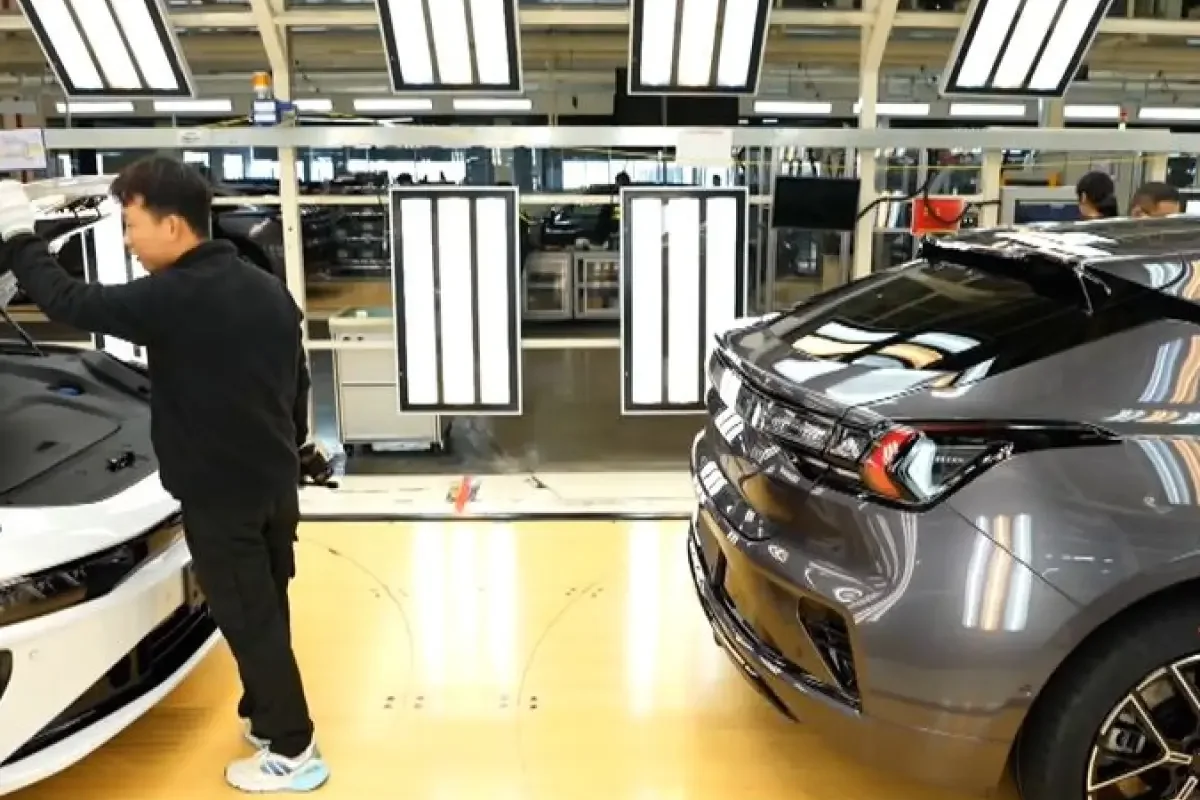
Nearly 3,000 Chinese-manufactured electric passenger vehicles arrived at Canadian ports in May 2026. This marks the first shipment under a reduced tariff-quota agreement between Canada and China.
Global Affairs Canada confirmed the arrivals in Vancouver.
>>> M66 Crash Causes Severe Traffic Delays Near Simister Island
The deal, negotiated by Prime Minister Mark Carney during a January trip to China, allows up to 49,000 Chinese EVs annually at a 6.1% tariff rate.
Previously, Canada had imposed a 100% tariff on Chinese EVs in 2024. In exchange, Beijing agreed to lower levies on Canadian canola and other products.
The federal government also set a six-month quota cap of 24,500 cars.
While official data does not specify brands or models, Electric Mobility Canada reported that rising gas prices and the return of federal EV rebates are boosting consumer interest.
“It is pretty obvious that competition is starting to have an impact, which is good for the consumer,” said Daniel Breton, president and CEO of Electric Mobility Canada.
>>> Met Office Forecasts New UK Heatwave with 30C Temperatures in Mid-June
He noted that prices of existing models like the Chevy Bolt have already declined.
Prime Minister Carney, speaking at the Economic Club of New York, indicated that most incoming shipments will be China-made Tesla models.
However, Canada’s big three automakers criticized the deal, saying it undermines local manufacturing and poses electronic security risks.
“China does not adhere to many of the rules-based trade and investment principles that have been fundamental to the success of the auto industry and the Canadian economy,” said Brian Kingston, president and CEO of the Canadian Vehicle Manufacturers Association.
>>> Meta Restores Katie Price Instagram Account After Brief Deactivation
The arrival of the vehicles has reignited debate over security and domestic economic protections as shipments enter local supply chains.