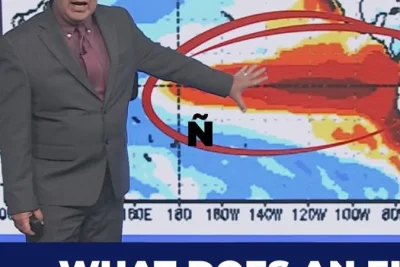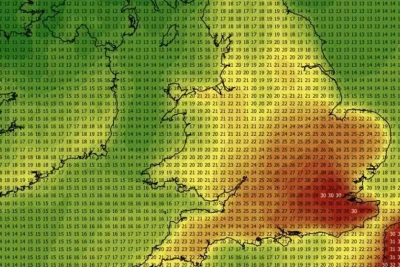
A rapidly intensifying El Niño event will disrupt traditional weather patterns across Canada this summer, according to a seasonal forecast released by The Weather Network on Wednesday, May 27, 2026.
Meteorologists indicate that the global climate system is undergoing a massive transition away from La Niña, creating an unstable atmospheric jet stream that lowers the likelihood of long-lasting continent-wide weather extremes.
>>> Air India Flight Returns to Delhi After Midair Technical Snag
Doug Gillham, a Senior Meteorologist with The Weather Network, outlined how the emerging climate phenomena will shape regional conditions throughout June, July, and August.
"In terms of locking into a consistently hot, dry pattern ... we just don’t expect that to be the theme of the season," said Gillham.
The meteorologist explained that moving atmospheric patterns across the continent create significant forecasting challenges, particularly regarding summer precipitation levels.
"The global pattern is in a state of flux, and that’s why it’s more difficult to lock into a pattern," said Gillham.
The unstable conditions will elevate safety concerns in specific western provinces where dry terrain remains highly vulnerable.
"The ingredients are in place for a concerning wildfire season," said Gillham.
While western regions face severe dry spells, central portions of the country will encounter different environmental challenges.
"It does not mean summer’s cancelled," said Gillham.
The shifting systems will bring fluctuating conditions across eastern communities, potentially mitigating severe environmental degradation.
"It doesn’t mean it’s going to rain on a daily basis.
>>> Judge Sentences Matthew Perry's Personal Assistant Over Fatal Ketamine Distribution
But for agriculture and for the wildfire risk and air quality, it is good news; less concern about drought this summer," said Gillham.
Despite broader expectations for a quieter tropical storm cycle, emergency officials warn residents along the coast to remain prepared.
"That doesn’t mean we can completely let our guard down either," said Gillham.
The unstable oceanic atmosphere is expected to cap overall tropical development, though individual systems can still cause major damage.
"It only takes one storm to make a season memorable, even if it was overall quiet," said Gillham.
Regional Outlook
The national meteorological service released a comprehensive breakdown of temperature and precipitation expectations for every province and territory.
British Columbia and Alberta are forecast to have above-normal temperatures and below-normal precipitation. Saskatchewan will see above-normal temperatures in the west, with near-normal conditions elsewhere and below-normal precipitation.
Manitoba is expected to have near-normal temperatures and below-normal precipitation, while Ontario will experience below-normal temperatures with above-normal precipitation in the south and east.
Québec will see below-normal temperatures in the south and west, with above-normal precipitation in the south.
>>> Boeing Details Over $400M CAD in Defense Investments at CANSEC 2026
The Maritimes and Newfoundland are forecast to have near-normal temperatures, with above-normal precipitation in the Maritimes. Northern territories will see above-normal temperatures in the west and near-normal precipitation.