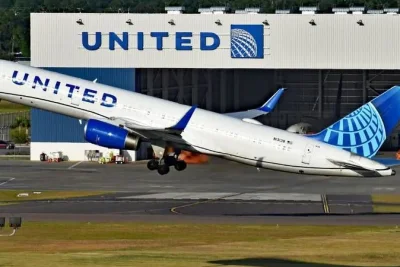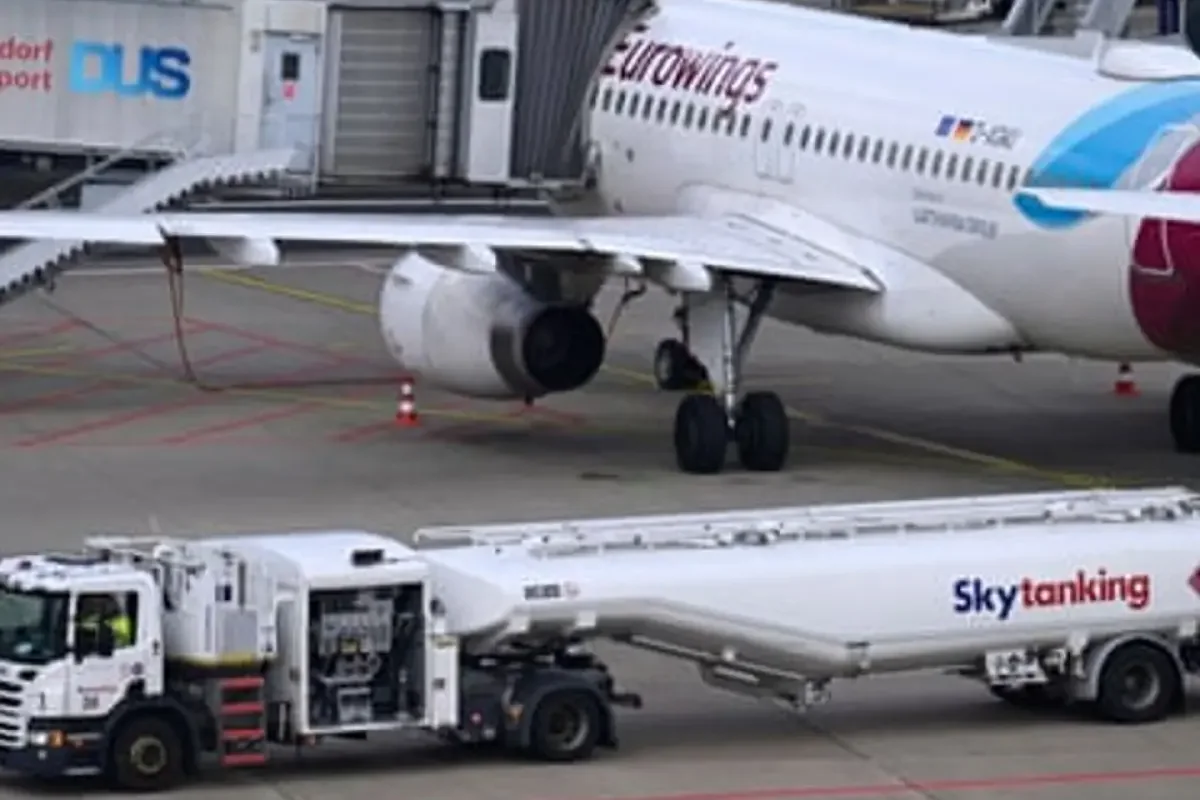
Global airlines are increasing ticket fares to cover an extra $100 billion in jet fuel expenses following a geopolitical conflict in March that disrupted oil supplies, according to The Guardian.
The International Air Transport Association (IATA) announced at its summit in Rio de Janeiro that global aviation profits are expected to halve to $23 billion, with fuel prices projected to surge 70% across 2026.
>>> Gen Z Horror Films Dominate Global Box Office
IATA Director General Willie Walsh said the rising costs will directly affect consumers as the industry operates on thin profit margins.
“High oil prices will inevitably mean higher ticket prices,” Walsh stated. “There’s just no way to avoid that.”
Walsh noted that internal surveys show travelers anticipate the increases, though the long-term tolerance for higher costs remains uncertain.
“The big unknown is how long travellers and shippers can tolerate the higher costs of connectivity,” he added.
Despite severe financial pressures, Walsh clarified the industry is not facing a systemic crisis like the pandemic.
“It’s going to be very challenging and for a lot of airlines the increase in the fuel bill is potentially existential,” he said.
IATA emphasized that global flight availability remains stable and consumer demand continues to grow outside the immediate conflict zone.
“You’re looking at an industry that is still profitable and still forecasting growth,” Walsh said. “Traffic is up 2%.
If you factor out the impact on the Middle East for the rest of the world it remains a pretty positive environment.”
Premium Routes to Absorb Most Price Hikes
British Airways Chief Executive Sean Doyle stated that premium services and long-distance routes will likely absorb the majority of fare adjustments.
>>> Atmospheric Conditions Trigger Funnel Cloud Risks Across Alberta
“There will be no getting away from it – if fuel goes up, fares have to go up,” Doyle said at the conference.
Doyle added that legacy carriers with extensive corporate networks have greater pricing power than budget airlines catering to price-sensitive holiday travelers.
“A brand like BA, which has got a lot of long haul, a lot of corporate, a lot of premium; we’d expect maybe to have more pass-through of prices than maybe a carrier who’s solely competing for leisure short haul,” he explained.
Meanwhile, European aviation officials expressed concerns that the upcoming European Union Entry-Exit System (EES) could worsen travel disruptions this summer.
IATA Vice President Europe Rafael Schvartsman urged European authorities to modify the legislation to allow border control flexibility beyond the September 7 deadline for biometric checks.
“I think Europe needs to be much more honest [about] where we are,” Schvartsman said.
He stated that the centralized database processing will quadruple standard passenger handling times, causing significant delays at major Mediterranean tourist destinations.
“Normally, we would process a passenger in 20 to 25 seconds, and you’re already stipulating that it will take 90 seconds, and on top of that you have unreliability of the systems, the probability that people will be waiting in lines for a long time is very, very high,” Schvartsman said.
Schvartsman noted that unilateral exemptions cannot solve the systemic issue, especially with rising flight volumes from American carriers bringing more travelers to Europe.
>>> YouTube Creators Top Global Box Office, Reshaping Hollywood Demographics
“For most of the Mediterranean, the British are the No 1 incoming tourist – that is a major concern,” he concluded.