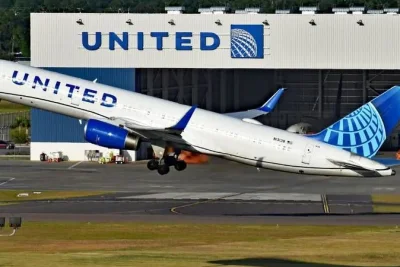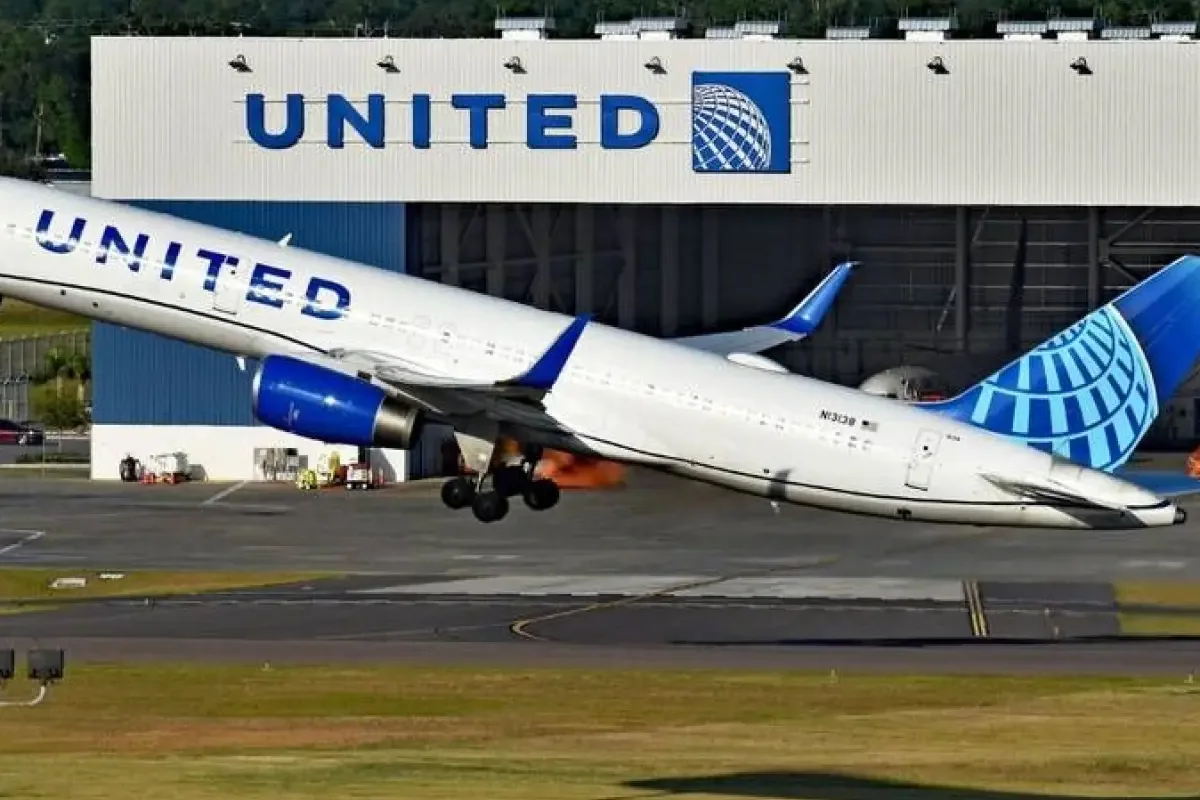
Major United States carriers are rapidly absorbing passengers and expanding flight routes after Spirit Airlines abruptly ceased operations on May 2, 2026.
The shutdown stranded roughly 50,000 passengers and left nearly 17,000 employees out of work just weeks before the summer travel season.
>>> Joseph Duggar Seeks Court Permission to Maintain Properties Near Victim's Home
Spirit halted flights after a spike in global fuel costs drained its remaining cash, following two bankruptcy filings and a failed $500 million federal bailout proposal.
United Airlines Reports Surge in Bookings and Applications
United Airlines reported a massive customer response to its post-shutdown emergency programs.
According to an internal memo cited by aviation watchdog JonNYC, the carrier secured more than 103,000 ticket bookings and nearly 17,000 new enrollments in its MileagePlus loyalty program.
United also received over 2,800 employment applications from displaced aviation workers after prioritizing Spirit employees for open roles.
"From May 2-16, we launched special capped fares for Spirit customers whose travel was disrupted, with most one-way tickets capped at $199.
More than 103,000 customers booked travel through the program," United Airlines said in a statement to Simple Flying.
The carrier added that it offered temporary pass travel benefits to Spirit employees and encouraged them to apply for open roles, with applications prioritized by recruiters.
Several other operators introduced rescue fares, including JetBlue offering $99 flights and Frontier cutting base fares by up to 50 percent.
Industry Analysts Warn of Higher Fares
In bankruptcy court, Spirit Airlines lawyer Marshall Huebner expressed regret over the impact on budget-conscious travelers.
"We apologize most specifically to those Americans who may now be priced entirely out," Huebner said.
He noted that surging jet fuel prices left the company with no alternative but to cease operations while seeking permission to liquidate assets and pay remaining staff.
Industry analysts warn that the loss of the carrier will diminish downward pressure on domestic ticket pricing.
"Not all airlines are struggling equally," said Jack Hough, Barron’s associate editor.
Hough noted that while Delta and United remain financially strong, smaller discounters like Frontier and JetBlue have been burning cash for years.
>>> Ex-Wife Files Wrongful Death Lawsuit Against Greg Biffle Estate Over Fatal 2025 Crash
"I think it suggests that cheap flights are going to be harder to come by for a while," Hough warned.
Financial stress continues to impact the remaining low-cost sector.
Frontier lost $137 million last year, and JetBlue recorded a loss of over $300 million during the first three months of 2026, according to Bloomberg.
Market analysts state that shifting consumer preferences toward premium amenities and loyalty networks have undermined the ultra-low-cost business model.
"There are other airlines that are in very precarious positions — not like Spirit — but if they don't fix things quickly, this stuff snowballs very quick," said Conor Cunningham, Melius Research industry analyst, to The Points Guy.
Cunningham pointed out that travelers increasingly favor full-service carriers offering airport lounges and long-haul routes over standard no-frills models.
"People wanted different things," Cunningham said.
He added that competing with basic economy fares offered by major network airlines has become unsustainable for smaller budget brands.
"To maintain the old playbook just wasn't going to work," Cunningham said.
Major Airlines Opposed Federal Intervention
In response to the collapse, major airlines opposed any federal intervention for the budget sector prior to the shutdown.
"Government intervention on behalf of those airlines would punish other airlines that have engaged in self-help in order to deal with increased costs and reward airlines who haven’t made those tough decisions," wrote Airlines for America in a press release.
The trade group argued that propping up struggling carriers harms long-term industry competition.
"And, in the long-term, sustaining businesses that cannot earn their cost of capital harms competition and consumers by making it more difficult for other airlines to compete," Airlines for America wrote.
>>> Aubry Bracco Wins Survivor 50; Joe Hunter Places Third After Helping Rival
Meanwhile, rival budget operators are moving aggressively to claim Spirit's vacated airport slots, including Breeze Airways expanding in Atlantic City and JetBlue increasing flights out of Fort Lauderdale.