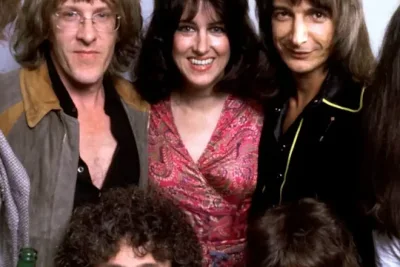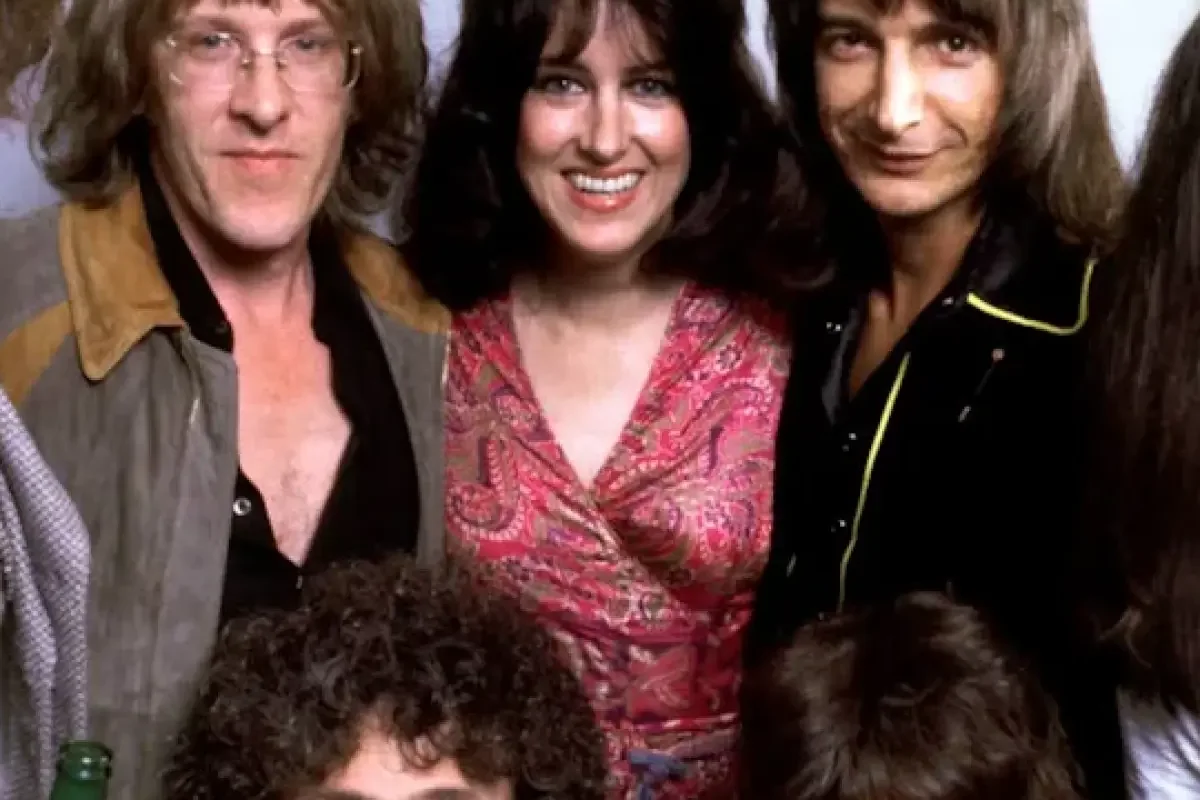
American rock band Jefferson Starship will perform a charity concert at Tioga Downs in Nichols, New York, on Thursday, August 20, 2026, to support local military veterans.
Tickets for the event go on sale Tuesday, June 2, 2026, at 10 a. m.
>>> Chris Robinson Faces Backlash After Mocking 'U.S.A.' Chant at Tampa Concert
through the venue gift shop and Ticketmaster. Every dollar from the twenty-dollar ticket sales goes to the Southern Tier Veterans Support Group.
The financial impact of the concert will multiply through a matching donation from the venue leadership.
Tioga Downs owner Jeff Gural and his wife, Paula, pledged to personally match all ticket sales, doubling the final contribution to the veterans organization.
"We're honored to host an iconic group like Jefferson Starship while supporting the Southern Tier Veterans Support Group," said Jeff Gural, Owner of Tioga Downs.
"This event is not only a great night of entertainment, but a meaningful way for our guests and community to give back to those who have served," Gural added.
Behind the Hit Song 'Miracles'
The charity performance arrives alongside retrospective looks at the band's catalog, including their 1975 single "Miracles," which reached number three on the Billboard Hot 100.
The track anchored the album Red Octopus, which topped the Billboard Hot 200 for four weeks starting September 6, 1975.
The late Marty Balin originally wrote the hit song after finding creative inspiration in spiritual and literary sources.
Balin revealed that Indian guru Sathya Sai Baba and Persian poetry influenced the track's divine and romantic themes.
"Love is a magic word, ooh, yeah (Baby) Few ever find in a lifetime But from that very first look in your eyes I knew you and I had but one heart (Baby)" sang Marty Balin, Vocalist.
Balin discovered the spiritual leader through traditional devotional music before writing the track. This exposure shifted his songwriting focus toward combining divine reverence with human relationships.
"I had heard this Indian chanting and singing, and I found out it was this avatar called Sathya Sai Baba from India," said Marty Balin, Vocalist.
Balin immersed himself in these recordings while developing the concept for the music. The creative process eventually merged spiritual chanting with classic love poetry.
"So I got involved in reading about him, listening to his tapes of his singing," continued Marty Balin, Vocalist.
The track took shape as Balin combined his guitar playing with Persian literary influences. He sought to capture a sense of holiness within a standard love song format.
>>> Daphne Joy Breaks Silence on Leaked Video, 50 Cent Reacts
"I was playing guitar one day, and I thought of him.
And then I was reading Persian poetry and the way they talked about God, but they [were also talking] about a woman.
They were talking about God when you caress a woman…they were caressing God's holiness or something. And I just loved that idea.
So I kind of wrote that song, having the avatar in mind, and the idea of speaking to a woman, but speaking to a God actually," Balin added.
Despite its eventual commercial success, the initial reception from the rest of the band members was highly critical.
The musicians expressed immediate confusion over the unusual direction of the track.
"Everybody went, 'I don't know about that. That's pretty weird, man,'" said Marty Balin, Vocalist.
The negative internal feedback created significant doubt for the songwriter. However, Balin decided to trust his own artistic instincts after a few days of reflection.
"I was really worried; nobody liked it," added Marty Balin, Vocalist.
The internal artistic conflicts persisted throughout the band's career, extending to their later commercial chart-toppers.
Singer Grace Slick expressed deep disdain for the band's subsequent number-one hits, including "Sara," "Nothing's Gonna Stop Us Now," and "We Built This City."
"I thought they were ridiculous," said Grace Slick, Vocalist.
Slick specifically criticized the literal premise of their famous anthem about rock music. The singer noted that real-world industries, rather than art, built major American metropolises.
"There isn't a city built on rock and roll! Los Angeles was built on oil and oranges and the movie business...
stupid song. But our producer said, 'Yeah, but it's a hit.'
>>> Fraudsters Spoof Police Switchboard Number in Belfast Scam Attempt
And he was right," Slick added.