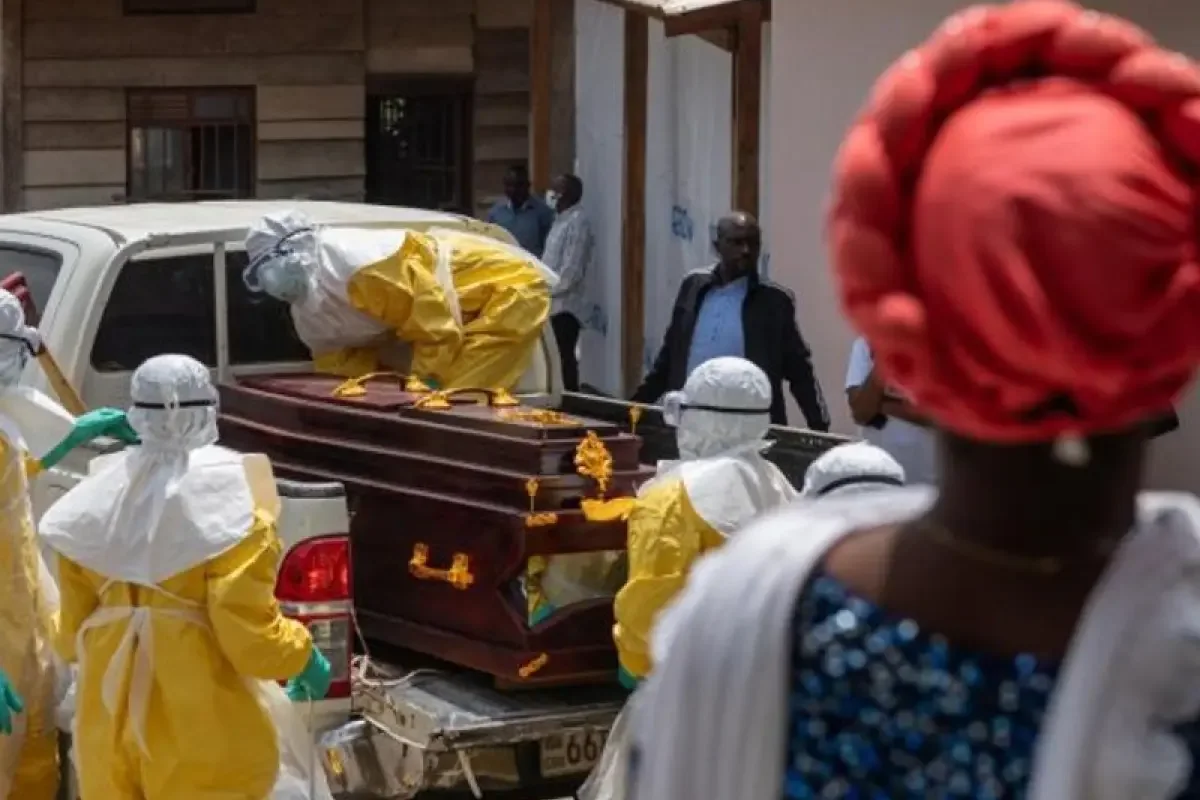
Canada announced strict border controls on Tuesday, requiring a 21-day self-isolation for travelers from Ebola-affected regions and temporarily halting immigration applications from the Democratic Republic of Congo, South Sudan, and Uganda.
The measures aim to prevent virus transmission ahead of the FIFA World Cup, as the World Health Organization reported a rapidly spreading outbreak of the rare Bundibugyo Ebola strain in central Africa, with over 1,000 suspected cases and hundreds of deaths.
>>> Garden Grove Aerospace Cooling Failure Causes Major Economic Losses
Immigration Suspension and Screening
The immigration suspension applies to permanent and temporary residence visas, study permits, and work permits for at least 90 days starting late Wednesday.
The Public Health Agency of Canada said travelers showing symptoms will be transferred directly to hospitals, while those requiring quarantine without accommodation will be provided isolation spaces starting Saturday.
The screening measures are scheduled to remain in place until August 29, 2026.
“This step is necessary because of the seriousness of this situation and the severity of the Ebola outbreak and elevated risk of transmission in these countries,” said Lena Metlege Diab, federal minister of immigration, refugees and citizenship.
The federal government used its new powers under Bill C-12, passed in March, to enforce the mass suspension of visas for individuals currently outside the country.
Health Minister Marjorie Michel addressed criticism of travel bans, stating “it's not a question of science” and noting that people remain “traumatized” by prior outbreaks.
Michel said Canada needed to align its borders with the United States and Mexico as the region prepares to host the largest tournament in FIFA history this June.
“It will take one [Ebola] case — one, not two, one case — and everybody will say we didn't protect [the public],” Michel said.
Canadian officials emphasized that the overall risk to citizens remains low and that the restrictions are a preventative step.
“The health and safety of people in Canada is our top priority,” Michel said in a statement.
>>> Netflix Documentary 'The Crash' Sparks Debate Over Ohio Teen's Fatal Car Crash
The minister noted that the border measures would help manage incoming travelers based on their specific risk levels.
“These temporary border measures will help reduce the risk of Ebola disease entering the country while ensuring that travelers are managed based on their level of risk,” Michel said.
Academic experts questioned the political motivations behind the restrictions, expressing concern for individuals stranded in the immigration pipeline.
“The message we should be sending out to the world is that Canada is a partner that will take science seriously,” said Roojin Habibi, research director of global health law at the Global Strategy Lab at York University in Toronto.
The law professor indicated that the decision could signal to affected nations that their welfare is secondary to international sporting events.
“It does leave one wondering whether the message that they're taking away from this is that they're not a priority,” Habibi said.
International health authorities warned that security issues and community distrust in northeastern Congo are severely hindering medical intervention teams.
“The warning signs are flashing red,” said Bob Kitchen, vice president of emergencies for the IRC.
The agency highlighted that reduced aid funding and active regional conflicts are increasing the probability of cross-border viral transmission.
“The risks are growing and the resources are shrinking,” Kitchen said. “That is the brutal arithmetic facing global aid today.”
>>> Met Office Forecasts Cooling Trend Following Record Breaking Heatwave
Beyond Canada, the Bahamas introduced enhanced health screenings and potential isolation for arrivals from the impacted nations, while Thailand enforced a mandatory 21-day quarantine for travelers originating from or transiting through the DRC and Uganda.