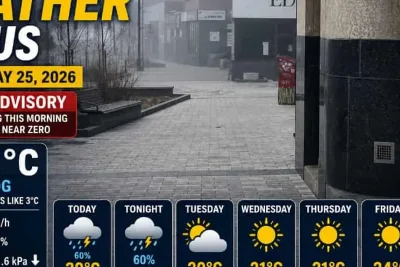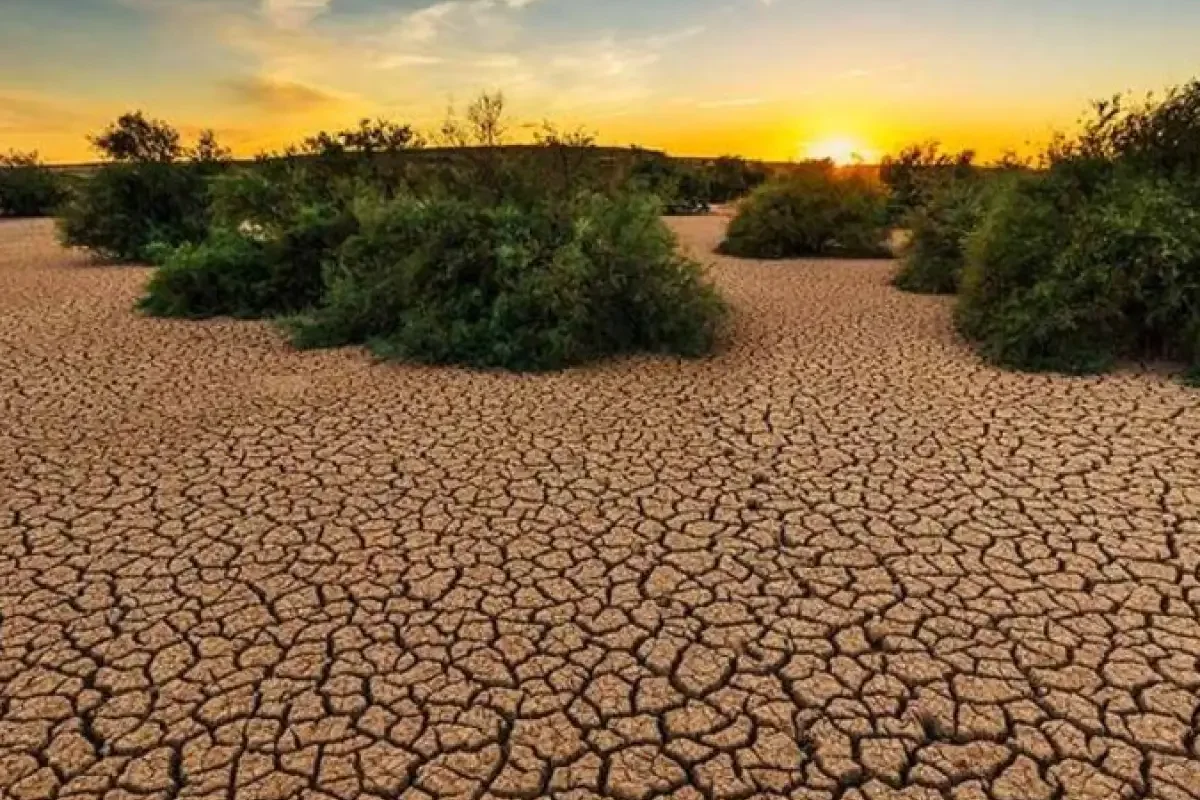
Global climate monitoring models project a rapid transition toward a highly intense El Niño-Southern Oscillation (ENSO) phase by late 2026, threatening severe global weather disruptions.
Deepti Singh, an associate professor at Washington State University, confirmed that current meteorological data indicates extreme warming trends emerging across the Pacific Ocean over the coming months.
>>> Married at First Sight allegations reflect wider reality of sexual violence
According to data from the European Centre for Medium-Range Weather Forecasts (ECMWF), the collapse of the previous La Niña pattern created a 98% probability of a moderate El Niño by August.
The forecasting agency also estimated an 80% chance of a strong event and a 22% probability of the system escalating into a "Super El Niño," where sea surface anomalies exceed the critical 2°C threshold for three consecutive months.
The anticipated thermal anomalies raise significant concerns among scientists due to historical parallels with the devastating 1877 Super El Niño.
That historical cycle triggered multi-year droughts across Asia, Africa, and Brazil, alongside severe flooding in the Americas, resulting in massive crop failures and tens of millions of deaths worldwide.
The Brazilian weather observatory Metsul reported that the 1877-1878 episode caused extreme agricultural losses and massive population displacements in northeastern states like Ceará and Pernambuco.
However, Metsul clarified that comparing the 2026 outlook directly to the 1877 humanitarian disaster is a severe error due to modern technological and structural advancements.
Contemporary meteorologists monitor ocean temperatures daily using satellites and computer models, allowing nations to prepare months in advance.
Modern global supply chains, advanced irrigation systems, and climate-resilient seeds significantly mitigate the risk of large-scale global famines compared to the colonial era.
>>> Science Centre Board to Close Snow City, Pivot to STEM Education
Despite technological resilience, the impending 2026 climate shift poses immediate risks to modern agricultural markets.
Southeast Asian farmers already report planting delays due to water scarcity, forcing local governments to plan cloud seeding operations to maintain stable crop production.
If the warming pattern solidifies during the second half of 2026, meteorologists expect a weakened monsoon season in India and severe hydrological stress across the Amazon basin.
Conversely, the southern United States and parts of South America will likely experience rainfall well above seasonal averages.
In response to these projections, agricultural organizations and governments in Mexico and Central America convened a regional summit in Texcoco, Mexico, to establish early warning systems and adaptive farming strategies.
The collaborative initiative, involving the CIMMYT research center and Catholic Relief Services, prioritizes the protection of vital food crops like corn, beans, rice, wheat, and sorghum.
Regional authorities are actively promoting regenerative agricultural practices, such as stubble management and crop diversification, to conserve soil moisture against erratic rainfall.
>>> Paul Mescal Cast as Paul McCartney in Sam Mendes' Beatles Biopics
The regional strategy also focuses on securing post-harvest storage facilities to safeguard food reserves and distribution channels during the projected 2026-2027 climate disruption.