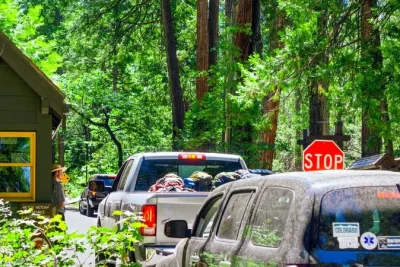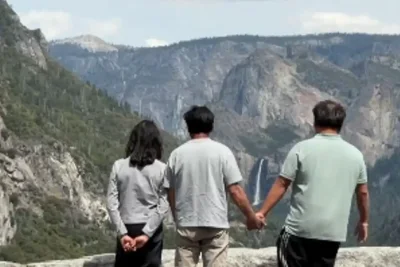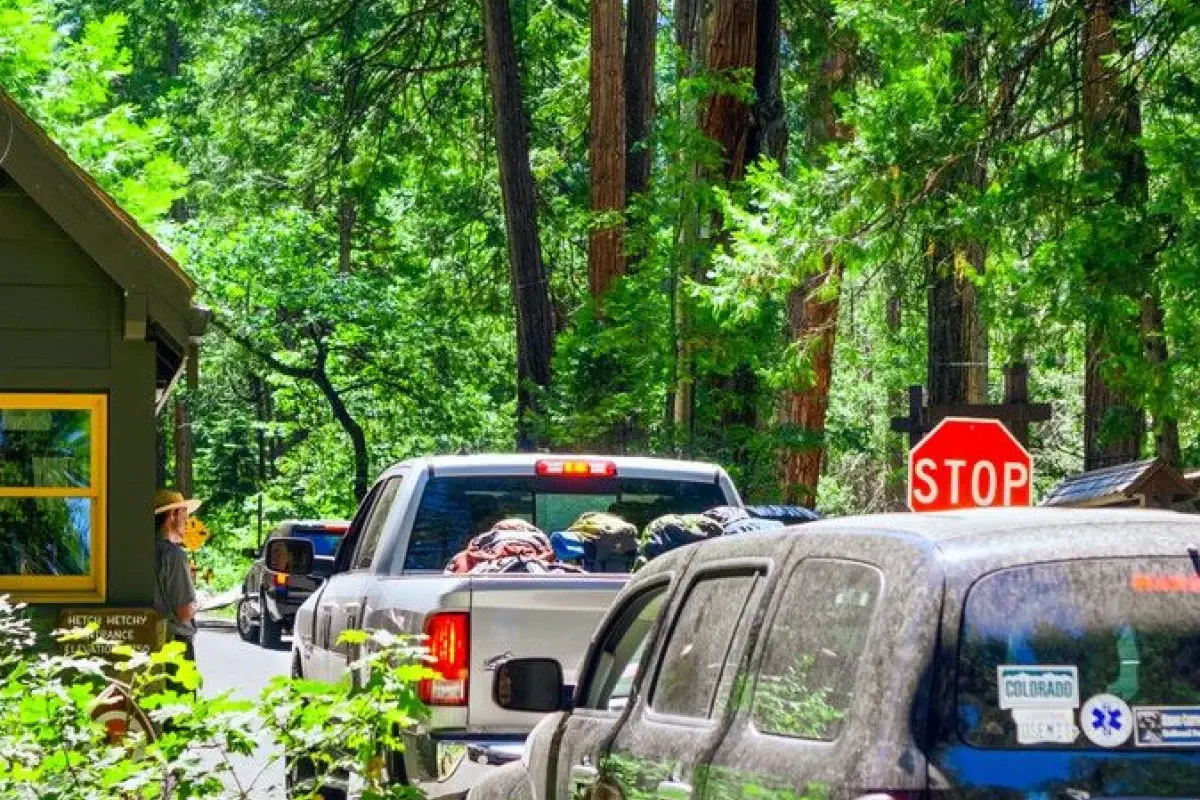
Yosemite National Park is experiencing severe overcrowding and traffic congestion during the spring of 2026 after the National Park Service removed its timed-entry reservation system.
National Park System data shows the California park has recorded more than 836,000 visits so far this year, marking an increase of about 100,000 visitors compared to the same period last year.
>>> Power Outage Disrupts Downtown Toronto Businesses and Traffic Lights
According to SFGate, March alone saw 225,817 recreational guests, up from 155,758 visitors in March of last year, making it the busiest March since 2016.
Visitors face gridlock, full parking lots by 7:30 a. m.
, packed shuttle buses, and long lines at entrances ahead of the peak summer season.
NPS Defends Policy Change
An NPS spokesperson offered a different perspective on the operational status of the park amidst these rising visitor numbers.
The park will rely on real-time traffic management measures, including temporary traffic diversions when parking areas reach capacity and deployment of additional seasonal staff to manage high-use areas, the NPS said.
The agency noted that the modifications were implemented to encourage robust attendance throughout the year.
Park officials expressed satisfaction with the high level of public interest in visiting national sites across the country.
The spokesperson also contested the characterization of the situation as reported by various media channels and visitors.
The official clarified that high traffic volumes typically align with specific calendar events and seasonal weather changes.
Visitors and Advocates Sound Alarm
Environmental advocates have expressed deep concern over the impact of unregulated vehicle numbers on the park experience.
John Buckley, Executive Director of the Central Sierra Environmental Resource Center, said that especially on Saturdays and sometimes on Fridays and Sundays, the amount of crowding exceeds parking capacity, resulting in vehicles parked inappropriately along roads and a crammed-together visitor experience.
Buckley shared feedback from a visitor who compared the crowded conditions to a commercial amusement park.
He emphasized that proper resource protection requires balancing vehicle volume with available infrastructure.
He further warned that without any limits on the amount of vehicles and people, the park becomes overwhelmed.
Park visitors have turned to social media and interviews to share their personal experiences regarding the congestion.
Kunal Khandwala, a resident of San Jose, said the waits are insane.
Jeff Wilson, a tourist from Folsom, recalled past traffic issues when entry permits were not required, describing bumper-to-bumper traffic all around the loop, zero places to park, and cars circling all day.
Some visitors reported that the conditions on the ground were less severe than they had anticipated.
Laura Yuen, a visitor from the Bay Area, said she thought it would be more crowded but found it manageable on bikes, with people being courteous.
She noted that a couple of touristy spots were crowded, but otherwise it has been beautiful, and recommended this as a great time of year to come.
>>> King Charles III Backs Red Squirrel Conservation with Contraceptive Initiative in Yorkshire
Other past visitors documented their observations regarding the minimal crowd levels during the early spring weeks.
A Facebook user said it was very uncrowded compared to summer months, though weather may have contributed.
Another individual highlighted the lack of crowds during a mid-March trip, especially early in the day.
Additional online commentators emphasized the necessity of avoiding the high season entirely to miss the heavy traffic.
Some digital posts focused on specific days of the week when parking challenges peaked.
Frequent visitors observed a steady daily increase in the volume of people entering the park areas.
A regular visitor cautioned others to expect heavy crowding for the entire duration of the summer holidays.
Online discussions among travelers also pointed out that early arrival strategies are becoming less effective as more people adopt them.
One Redditor noted that last Saturday, by 8:00 curry parking was full, and there was a line at the gate.
Another forum participant described the frustration of getting caught in severe traffic gridlock without parking alternatives, saying you won't be able to imagine it until you are experiencing it, then it is too late, stuck in gridlock hell for hours with nowhere to park.
Conservationists have aligned with these concerns, arguing against managing protected lands like commercial entertainment venues.
Beth Pratt, a conservationist and author, said these are the best protected places on the planet and cannot be managed like an amusement park.
A representative from the National Parks Conservation Association had previously forecasted these operational difficulties when the policy change was announced.
Mark Rose, Senior Sierra Nevada Program Manager, said eliminating Yosemite's seasonal reservation system will undoubtedly lead to hours-long traffic jams, damage to park resources, strain on remaining park staff, and ruined experiences for visitors.
A visitor who previously criticized the permit requirements acknowledged that the current infrastructure cannot sustain the unmanaged volume.
Andranik Arakelyan said there is just not enough capacity, infrastructure, and employees to handle all this traffic.
A firsthand account from a recent visitor detailed the chaotic environment and visitor frustrations encountered early in the morning.
John Leerskov described it as a lot of shoulder to shoulder, chaos, angry people, and oblivious people.
Forest Service analyses have also noted risks linked to increased vehicle and human activity within protected natural zones.
>>> King Charles III Visits Cancer Patients and Wildlife Scientists in York
The Forest Service's own assessment found that building roads in these areas would actually increase the risk of fire, and another analysis shows that 85% of wildfires are human-caused.