The City of Regina has launched an environmental initiative installing six floating treatment wetland islands across three stormwater retention ponds, while simultaneously reviewing a report on a high school free transit pilot project.
City officials partnered with the Saskatchewan Association of Watersheds and the Wascana & Upper Qu’Appelle Watersheds Association Taking Responsibility to deploy the native plant platforms at the Lakewood, Lakeridge, and Rochdale ponds on Wednesday, May 27, 2026.
>>> Unsettled Weather Brings Rain and Thunderstorms Across Cyprus
Students from Campbell Collegiate assisted in launching the low-maintenance floating gardens, which use deep-growing roots of native sedges and rushes to naturally extract excess nutrients like phosphorus and nitrogen from urban runoff.
Floating Wetlands for Water Quality
“By partnering with organizations like the Saskatchewan Association of Watersheds and WUQWATR, the City is able to bring together local expertise and a shared commitment to environmental stewardship,” said Shelley Wellman, Manager of Environmental Services.
The floating platforms are placed in deep water, anchored with cement blocks, and expected to provide wildlife habitat for native birds over a lifespan of approximately 10 years.
“Projects like this help support healthier ecosystems and more sustainable neighbourhoods for residents,” Wellman added.
The pilot program aims to reduce severe algal blooms that deplete oxygen, cause foul odors, and compromise wildlife health before the pond water flows into the Wascana Creek Watershed.
City staff and local students will monitor the water quality monthly over the next five years to determine whether the program should expand to other local municipal ponds.
“It was important to have students involved,” Wellman said, noting the project provides an outdoor educational component bridging classroom science curriculum and tangible environmental actions.
City officials plan to trim the native plants occasionally to encourage new growth while utilizing temporary netting to prevent local ducks from consuming the vegetation.
“Native birds like red-winged blackbird will find a habitat in these,” Wellman said.
Samantha Kerr, Director of Water Resources at the Saskatchewan Association of Watersheds, called the project “a great example of urban best management practices to protect our local water resources.”
High school students expressed enthusiasm for the outdoor environmental work. “I really like the idea of coming and helping the environment,” said Grade 11 student Ghassen Azaouzi.
“I got a chance to go outside and work with nature, plants and other people,” added student John Rico Dahunan.
Free Transit Pilot Review
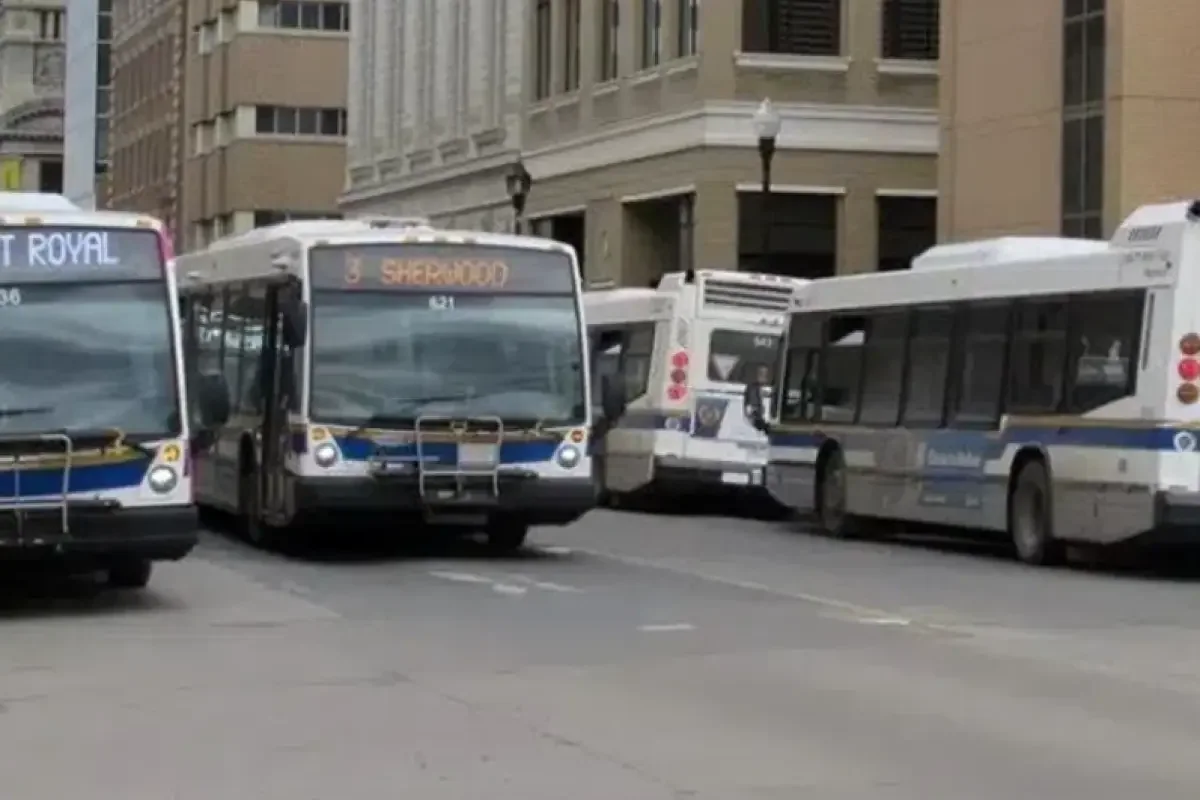
Concurrently, Regina city councillors evaluated a pilot program that provided free transit passes to F. W.
Johnson Collegiate students via the Umo app from September to December 2025.
The administrative report showed that transit trips tripled during the pilot phase, but data from the Regina School Division indicated no significant changes in overall school attendance.
“Fare-free transit for students helps much more than just getting kids to school; it could lead them to lifelong success,” said School Board Trustee Sarah Cummings Truszkowski.
>>> Stagecoach South West Alters Paignton Bus Routes During Airshow
The school division spends approximately $40,000 annually to purchase 10,000 to 12,000 individual tickets, which the trustee argued creates an unnecessary barrier for youth.
A city-wide expansion to all Regina high schools carries an estimated annual operating cost of $2.26 million, alongside a $16.8 million capital expense to purchase 12 additional buses.
“I personally am not asking for a $20 million investment,” Cummings Truszkowski said.
“I’m just here to say that Fair Free Transit for kids helps, and it would make a big difference.”
City administrators noted that expanded transit use would likely reduce traffic congestion around schools, though exact congestion metrics were not collected during the initial four-month pilot phase.
Councillor David Froh acknowledged the financial challenges, stating, “Yes, we’ve raised taxes, and of course, transit is one of those ways where we lessen the financial burden for families.”
Municipal leaders face constraints under a strategic direction to limit property tax increases to 5.81 percent this year, complicating the funding of a full city-wide transit rollout.
Deputy City Manager of City Operations Kurtis Doney said, “We could bring forward to the budget process the cost of implementing this for each school, because it’ll be different.
Some schools – most schools – will require additional buses.”
Some committee members suggested that income-tested affordable passes might serve residents more effectively than a universal free fare system for youth.
Councillor George Tsiklis noted, “The evidence that I’ve seen from other Canadian cities that have tried fare-free for kids shows mixed results.
Ridership has gone up, but a lot of it is kids who are already riding.”
Alternative proposals include establishing a broader fee-free geographic zone in the city to help low-income families access basic needs without compounding transportation costs.
Councillor Jason Mancinelli said, “Families could move throughout the whole area for millions of dollars invested, and people could plan to move somewhere where they could get their best basic needs met easier without the added transportation costs.”
The executive committee concluded that further analysis and collaboration with the provincial government are necessary to develop a comprehensive plan before implementing changes.
Mayor Chad Bachynski said, “I think it would be important for us to take the time to make a proper plan and get some more information, and actually ask, probably, the provincial government if they would like to step in.”
>>> UK Prosecutors Drop Retrial for Two Men in Manchester Airport Police Assault Case
A more detailed administrative report regarding transit data and school-specific implementation costs may be formally requested during the upcoming city council meeting scheduled for June 10.