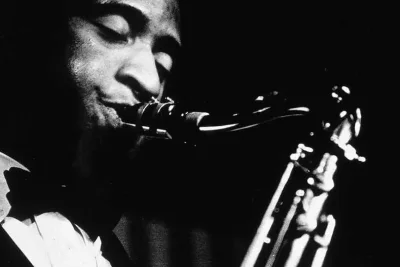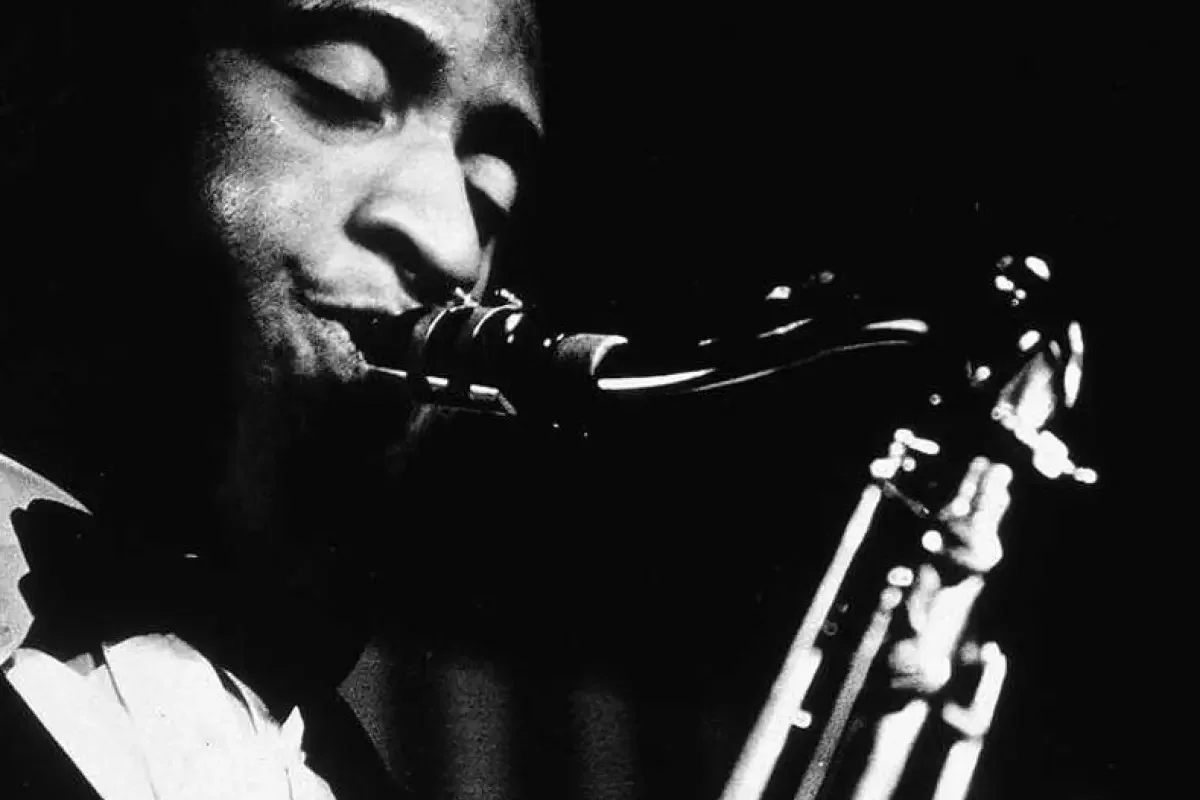
Renowned tenor saxophonist Theodore "Sonny" Rollins died Monday afternoon at his home in Woodstock, New York, at the age of 95.
The legendary musician was widely celebrated for his massive tone and innovative improvisational skills.
>>> US Communities Hold Memorial Day Parades Despite Rainy Weather Forecasts
Rollins earned numerous prestigious accolades throughout his career, including recognition as a National Endowment for the Arts Jazz Master, a Kennedy Center honor, and the National Medal of the Arts.
"All these prizes are nice, I appreciate them," said Rollins in a 2007 interview with NPR.
He emphasized that external recognition did not alter his dedication to the craft, stating that personal excellence remains the ultimate objective.
"I don't go crazy about them — you have to do your work whether you're recognized or not.
The real deal is doing it the best you can do it and that's it. That's its own reward," said Rollins.
Born on September 7, 1930, in New York City, Rollins grew up in the Sugar Hill neighborhood of Harlem.
Despite his parents' initial unease regarding his musical interests, he became a central figure in the generation that transformed jazz into a deeply expressive art form.
After temporarily withdrawing from public performance in the late 1950s to practice on the Williamsburg Bridge, Rollins made a highly acclaimed return to the music scene in 1962 with his album titled The Bridge.
"I think when I'm playing completely spontaneous, just something comes out from somewhere, that's my best work," said Rollins to NPR.
He explained that his live performances relied on completely forgetting the rigorous technical preparation that preceded them.
"Say, for instance, if I'm doing a song, any song — I practice it, I learn it, I learn the lyrics, I learn everything that's possible to learn about the physical piece of the composition, or whatever it is.
Then, when I get on a concert stage, I forget about it. I try not to think about it.
>>> UK Records Highest Ever May Temperature as Heatwave Sweeps Europe
Then let the music play me," said Rollins.
His versatile career included composing the theme for the movie Alfie, collaborating with the Rolling Stones, and recording a version of Stevie Wonder's "Isn't She Lovely."
"Well he's got this sound, it's like his sound," said pianist Joanne Brackeen to NPR in 2007.
The longtime friend noted that his unique musical identity was instantly recognizable within moments of listening.
"He's got a sound that is him. And that's rare – it's funny, but that's rare.
You hear just a couple of seconds and you know who that is. And not only who that is, but how he is?
You can hear the whole energy of his being, in every note," said Brackeen.
Later in his career, Rollins managed his own independent record label, Doxy Records, which was distributed by Sony Masterworks.
"The corporate culture is anathema to jazz," said Rollins to NPR.
He rejected standardized approaches to music, comparing the fluid nature of jazz to the unpredictable changes found in daily life.
"We don't like the cookie-cutter, everything exactly the same way. We're about creation, freedom, thinking things out in the moment, like life is.
>>> Three Top Canadian Construction Union Leaders Resign Over Real Estate Probe
Life changes every minute. A different sunset every night, that's what jazz is about," said Rollins.