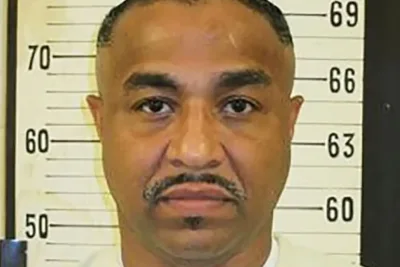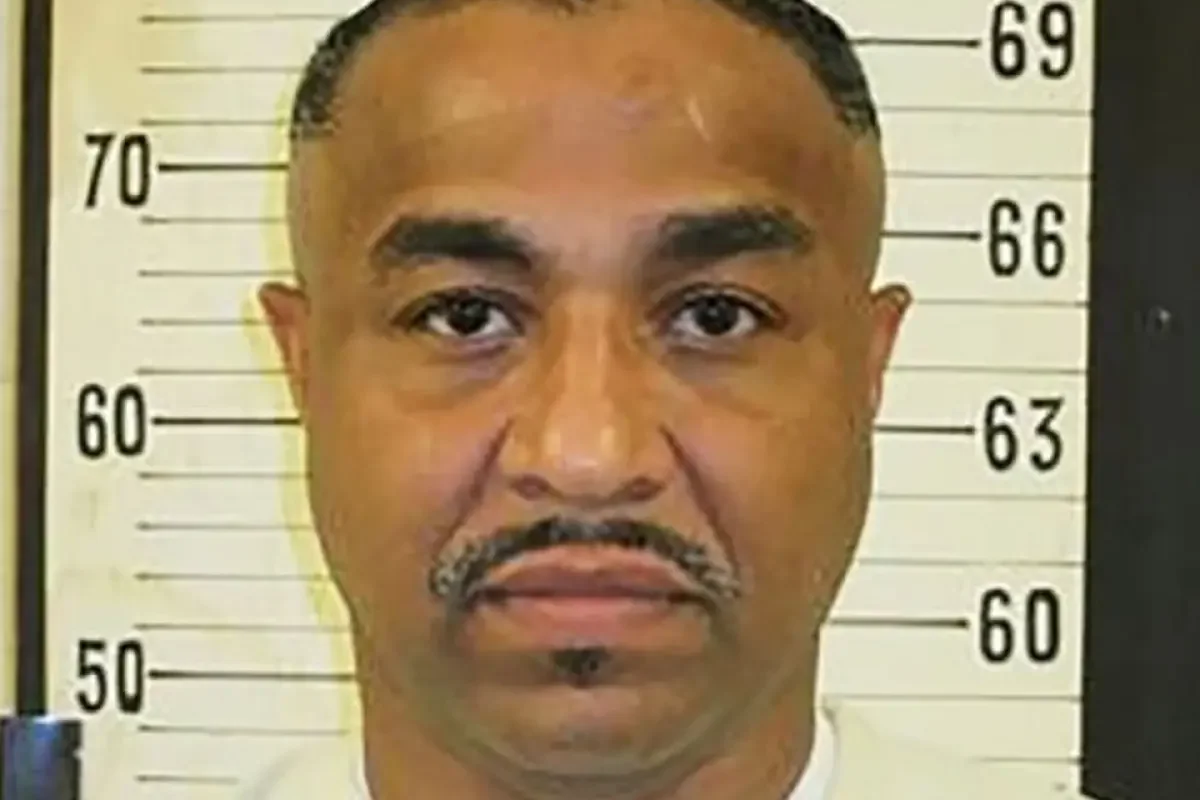
On May 21, Tony Carruthers experienced something few have: he was taken to the execution chamber, Tennessee began the process of putting him to death, but it failed.
He lived to tell about it, becoming the ninth person to survive a botched execution in the last 80 years.
>>> Robert Quits De Bondgenoten Reality Show Following Outbursts
Botched executions are common in the United States, but usually the person ends up dead. Carruthers did not.
He was convicted of the 1994 kidnappings and murders of Marcellos Anderson, Delois Anderson, and Frederick Tucker. However, the case against him was flawed from the start.
The state provided no fingerprints or physical evidence linking Carruthers to the crime. A DNA sample, Carruthers contended, would not match him.
The decisive evidence came from witnesses who claimed they heard him confess, including a jailhouse informant.
Carruthers also had to represent himself after receiving what he considered inadequate representation from court-appointed lawyers.
According to his current lawyers, paranoia and delusions prevented Carruthers from cooperating with his counsel.
The judge viewed his behavior as willful, and the Tennessee Supreme Court agreed he was responsible for his situation.
About 130,000 people signed a petition asking Governor Bill Lee to allow DNA testing or grant clemency.
Lee was unmoved. Tennessee proceeded with the execution but could not complete it.
After the failure, Lee granted Carruthers a one-year reprieve. But many argue that is not enough.
Tennessee should not get another chance to execute him, as a second attempt would be cruel and violate the constitutional prohibition of double jeopardy.
What Happened During the Execution
Carruthers' lawyer, Maria DeLiberato of the ACLU, was with him as the execution began. Under Tennessee law, media witnesses cannot see the IV insertion process.
>>> UK Regulator Forced to Release Fish Farm Death Reports
The blinds between the witness room and the execution chamber remained closed for over an hour. Witnesses heard Carruthers groaning.
The Tennessee Department of Corrections reported that after establishing the primary IV line, they could not find another suitable vein for a backup line, as required by the lethal injection protocol.
DeLiberato saw Carruthers wincing and groaning, with multiple puncture wounds and a lot of blood.
The execution team attempted to secure a central line but failed, and the execution was called off. Carruthers was returned to a holding cell.
Legal Precedent and the Future
America's history of failed executions began in the 1940s with Willie Francis in Louisiana.
The state tried to execute him again, but the US Supreme Court ruled that a second attempt was not unconstitutional, giving states wide leeway.
Justice Stanley Reed wrote that an unforeseeable accident does not add cruelty to a subsequent execution.
Since then, several other executions have failed, mostly since 2009, in Alabama, Idaho, Ohio, and now Tennessee.
Courts have often turned a blind eye to the suffering of survivors.
One court even argued that an execution by lethal injection does not begin until the drugs flow, so needle sticks are not part of the punishment.
Justice Harold Burton dissented in the Francis case, arguing that two separated applications of electric current are sufficiently cruel and unusual to be prohibited.
He stated that the state has a duty to ensure no failure occurs.
>>> UK Ministers Under Pressure to Cut Rising Energy Bills
Many hope Burton's view prevails in Carruthers' case, sparing him a second deliberate effort to end his life.