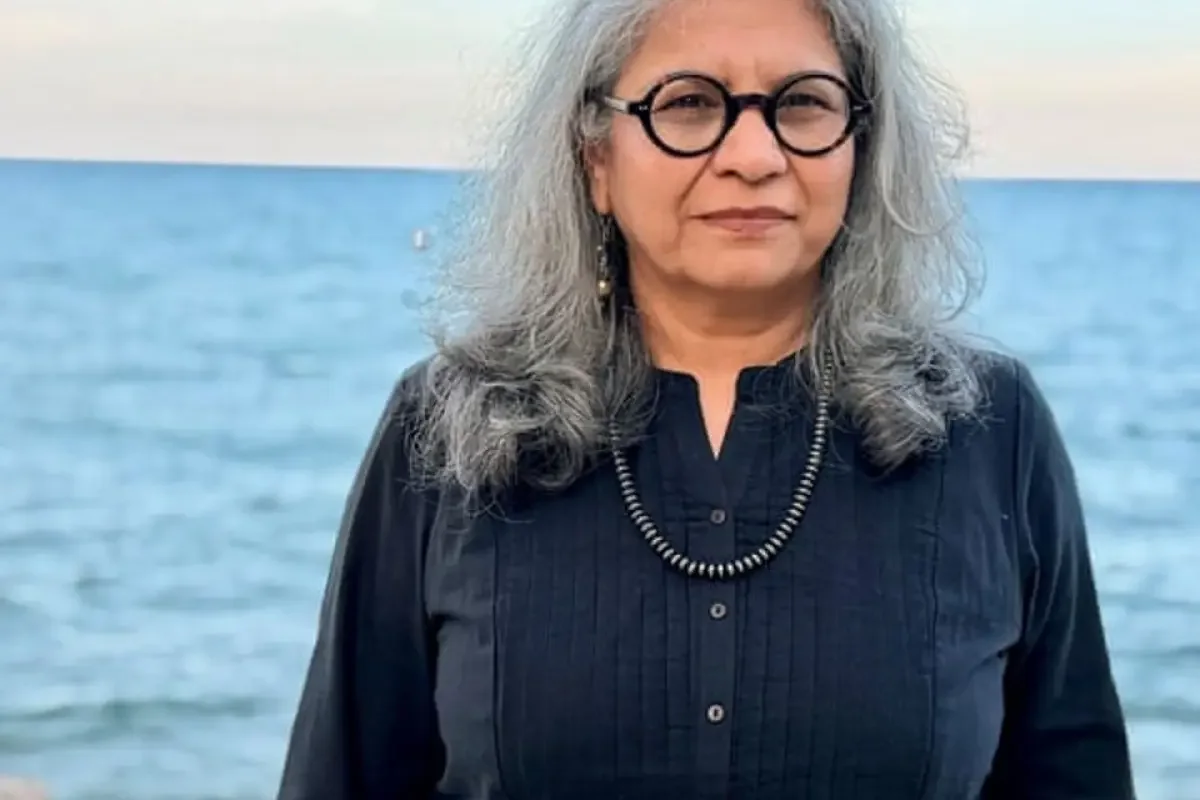
The School of the Art Institute of Chicago (SAIC) has suspended a tenured art therapy professor from teaching duties and placed her under official investigation.
Savneet Talwar, a faculty member in the art therapy and counseling program, assigned a two-page case study in April for a class on cultural dimensions of therapy.
>>> Florida Jail Guards Deprive Detainees of Food and Fresh Water
The assignment required students to develop an ethical treatment framework for a hypothetical queer, Muslim immigrant woman living in the United States.
According to The Guardian, the case study mentioned that the hypothetical individual felt profoundly impacted by violence against Palestinian civilians and was critical of her home government's restricted response.
The document primarily focused on the client's family lineage, interpersonal relationships, and immigration status, with no further references to Palestine or any mention of Israel.
A student complaint led to a dean questioning Talwar about whether she assigned anything containing the word Palestine.
Talwar was then summoned to an urgent meeting with the school provost, resulting in the immediate cancellation of her next scheduled class.
On April 17, SAIC officially informed Talwar of her paid administrative leave, explicitly banning her from discussing the matter with colleagues or students.
The university removed the case study from the digital learning platform and warned Talwar that presenting it could constitute discrimination, harassment, or retaliation.
The administration noted that the student was already connected to separate investigations involving claims as a Jewish Israeli regarding conduct reflecting anti-Israeli, antisemitic, or pro-Palestine viewpoints.
Despite awareness of those concurrent investigations, Talwar provided an assignment focusing on a Muslim woman with strong sympathies for the Palestinian cause.
A dean questioned Talwar's professional judgment given the ongoing departmental environment, citing multiple prior complaints alleging a hostile environment within the department.
Talwar expressed deep surprise at the administrative actions, stating that the suspension appeared motivated by "the mere mention of the word Palestine."
>>> The End of 60 Minutes as We Know It Has Sickened Millions of Viewers
An SAIC spokesperson declined to comment on specific personnel files or active investigations but stated the institution remains dedicated to educational settings where ideas are freely exchanged and both students and faculty feel respected.
Talwar, through legal counsel, submitted a grievance letter contesting the suspension, asserting that the administrative action itself might be discriminatory.
On May 13, university officials detailed additional interpersonal issues involving the student that occurred prior to the assignment.
The documented exchanges alleged that Talwar described the Bondi beach terror attack in Australia as gun violence without explicitly recognizing antisemitism.
Records also showed she suggested the student evaluate whether to attend an academic lecture hosted by a prominent anti-Zionist activist.
Talwar declined to address the specific allegations, citing strict confidentiality mandates, and rejected assertions that the coursework was antisemitic.
She announced plans to file a formal employment discrimination complaint.
Rima Kapitan, Talwar's attorney, stated in a letter that the school lacked a cohesive theory of discrimination and that the professor had made significant accommodations for the student.
"Are SAIC faculty expected to ethnically cleanse Palestinians from their course materials? Are Arab Muslims unworthy of their own case studies?"
Kapitan wrote.
Kapitan questioned whether SAIC would investigate a professor who assigned a case study about a Black client struggling with police violence if a white supremacist student filed a discrimination complaint.
>>> Former Student Faces Attempted Murder Charge in Crossbow Attack at University of Surrey
Talwar described the institutional response as a reflection of broader systemic issues currently impacting higher education institutions across the country.