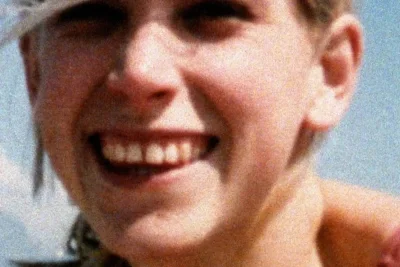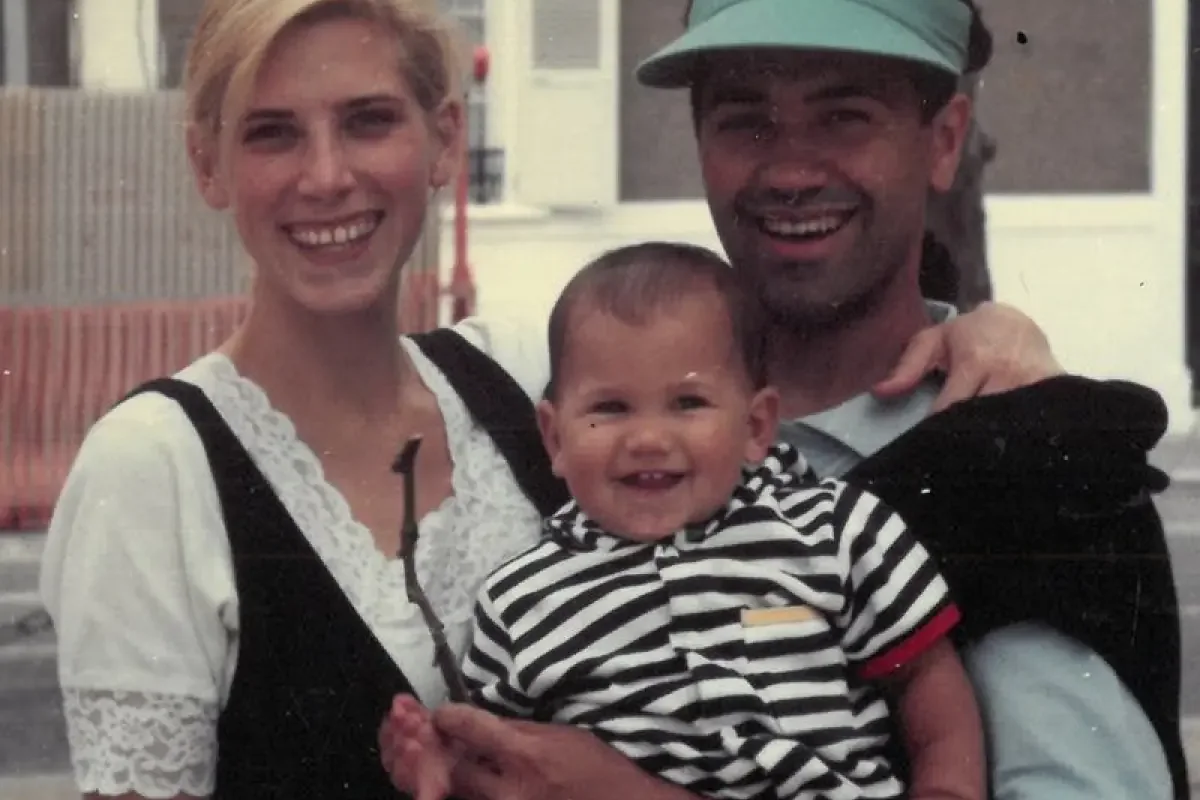
A new three-part Netflix drama series titled The Witness explores the devastating aftermath of the 1992 murder of Rachel Nickell on London's Wimbledon Common.
The story is told through the perspective of her surviving partner and young son.
>>> Kevin Hart Defends Hartbeat Restructuring, Calls Bloomberg Report 'Clickbait'
Nickell was stabbed 49 times during a daytime attack in front of her two-year-old son, Alex. The boy remained the sole witness to the crime.
The series premiered on June 4, 2026.
It focuses on the psychological toll, the flawed police investigation, and aggressive media harassment that forced the family to relocate abroad.
Collaboration with the Family
Screenwriter Rob Williams developed the script in close consultation with Nickell's partner, André Hanscombe, and her son, Alex, who is now 36 years old.
The narrative shifts between the immediate fallout of the 1992 crime and the subsequent cold-case investigation a decade later.
The production details how the Metropolitan Police initially focused on an innocent local man, Colin Stagg.
They used a controversial undercover honey-trap operation that ultimately collapsed in court in 1994.
DNA advances later linked the murder to convicted sex offender Robert Napper. He pleaded guilty to manslaughter on grounds of diminished responsibility in 2008.
Williams explained his motivation for creating the series, noting that the public knew little about what happened to the child after the initial media storm.
"There had been this huge amount of interest in this little boy but actually no one knew what happened next," he said.
The writer stated that the public remains largely unaware of the actual facts surrounding the investigation and the wrongful focus on Stagg.
"No one knew what happened to the 'tragic tot' as the media called him," said Williams.
The series deliberately limits its depiction of the violent act itself. It focuses primarily on the long-term journey of the surviving family members.
"It's not the normal excavation of a true crime," said Williams.
According to the creator, the project required a meaningful justification beyond standard true-crime entertainment due to the living people involved.
"There has to be a good reason for excavating this kind of thing when people who are alive are still touched by it," said Williams.
The core of the series centers on the evolving dynamic between the father and son as they navigated their shared grief over several decades.
"I wouldn't want to do it for the sake of doing it, without a purpose," said Williams.
The writer expressed deep admiration for the willingness of the real-life individuals to revisit their deepest personal traumas for the screen.
"I really felt there was a purpose to tell this story, not least because this is a father-son story," said Williams.
The production aims to demonstrate emotional recovery and resilience after experiencing an unthinkable tragedy.
"The idea of somebody putting words into my mouth during the rawest time of my life, that's just mind-boggling – but I think it's a testament to just how passionately they feel this is a story they want to be told," said Williams.
The creators intended to show that healing remains possible even after devastating life events.
"That you can get through this, and that there is something on the other side of it," said Williams.
The real-life subjects sought to convey a message of hope to viewers facing their own difficulties. "They want to show what's possible," said Williams.
>>> Iowa Gunman Kills Six Family Members Before Committing Suicide
The script details how the relationship between the father and son fractured before eventually strengthening in recent years.
"They were really keen to talk about what life looks like on the other side of what happened, how you can make a positive out of it," said Williams.
The writer admitted that finding a positive angle in such a brutal event seemed improbable at first.
"On first hearing, you think, well, there is no positive in something so horrific, but they've found one, and they want to share that with people," said Williams.
The writer noted that both Hanscombe and his son possess a unique perspective on handling deep psychological suffering.
"I've never met anyone who talks about trauma the way they do – and indeed they don't particularly like that word either," said Williams.
Balancing Sensitivity and Truth
The production team carefully calibrated the opening sequence to ensure the victim was not defined solely by her death.
"How much do you show?" asked Williams.
The creators decided a brief glimpse of Nickell's life before the attack was necessary for narrative balance.
"Do you need to show any of it?" asked Williams.
The final cut includes specific moments to establish Nickell as a complete person rather than just a historical casualty.
"But we felt it was really important to show Rachel at that point, and also before it briefly, because we didn't want to just cast her as a victim," said Williams.
The drama also emphasizes the widespread public misconceptions that still persist regarding the identity of the actual perpetrator.
"Not many people know the truth," said Williams. The writer emphasized that many individuals still incorrectly associate the original suspect with the crime.
"If you mention Rachel Nickell, a lot of people still think Colin Stagg is responsible," said Williams.
Alex Hanscombe recalled the lasting sensory details of the morning his mother was killed in South London.
"I remember waking up on the morning it happened, waving goodbye to my father, watching him fire up his bike for work," said Hanscombe.
The son described the sudden transition from an ordinary walk to a scene of absolute silence following the attack.
"That's what I remember most," said Hanscombe.
The specific realization of his mother's death remains the most vivid aspect of his childhood memory: "the particular moment I knew she was gone."
André Hanscombe described the intense scrutiny the family faced from the British media, which prompted their eventual move to Spain.
"All the time, you see the headlines, you hear the whispers, everyone's watching Alex, saying he'll never recover," said Hanscombe.
The public interest in their lives remained constant until they sought privacy outside of the United Kingdom. "Everyone has challenges and obstacles and fears," said Hanscombe.
The family hopes their survival provides encouragement to others experiencing severe life challenges.
"My message is: 'There's light at the end of the tunnel,'" said Hanscombe.
>>> Jury Awards Iskander Family $176 Million in Wrongful Death Lawsuit
An independent report later detailed extensive failures by the Metropolitan Police, which allowed the real killer to remain free to commit further crimes.