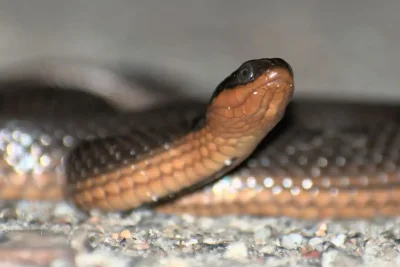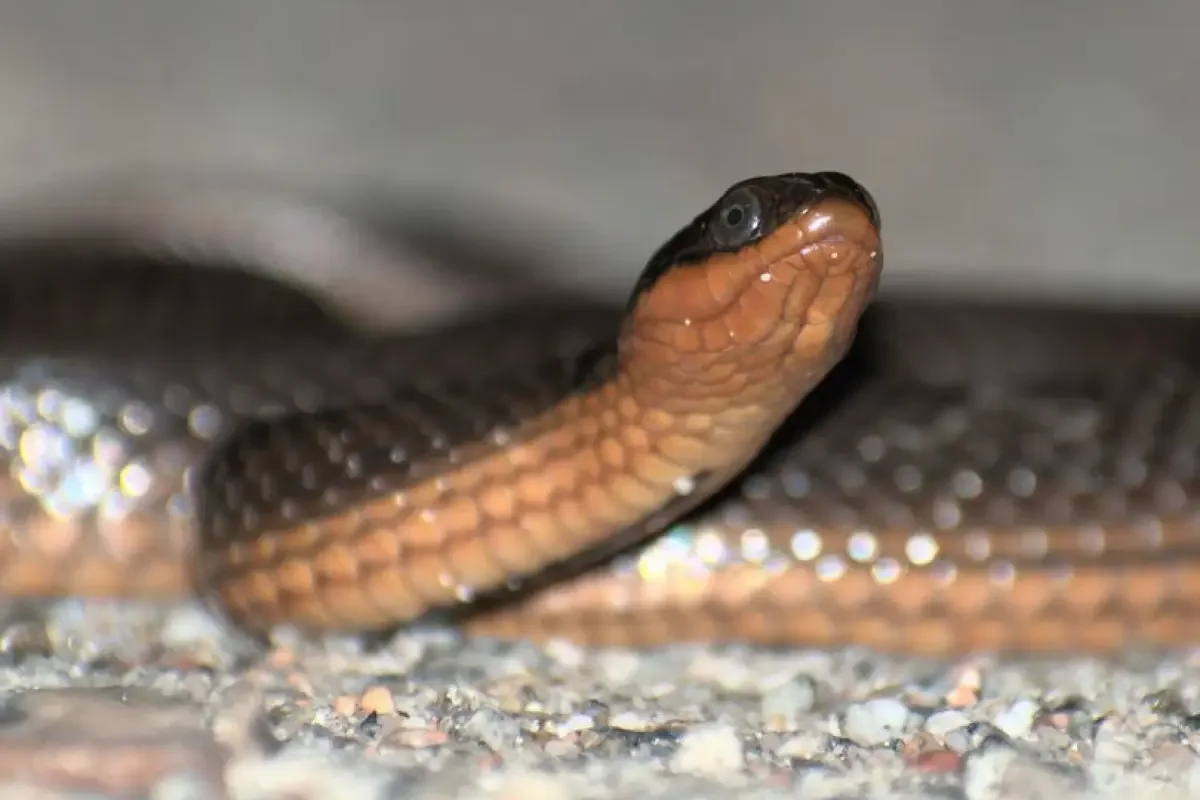
A long-term health survey by University of Georgia researchers has uncovered widespread fungal, parasitic, and bacterial infections threatening wild snake populations in the southeastern United States.
The study, led by the College of Veterinary Medicine and the Southeastern Cooperative Wildlife Disease Study, examined 509 wild snakes from 29 species across Georgia, Florida, and South Carolina over four years.
>>> Diljit Dosanjh to Headline Wembley Stadium in Historic Milestone
Only about 20% of the tested reptiles were completely free of pathogens, while more than 40% carried multiple simultaneous infections.
Salmonella was detected in over half of the snakes, and the blood parasite Hepatozoon was found inside red blood cells of more than 50% of the animals.
Pygmy Rattlesnakes Hit Hardest
Pygmy rattlesnakes are disproportionately suffering from severe cases of Snake Fungal Disease, a contagious skin infection caused by the fungus Ophidiomyces ophidiicola.
More than one in three tested pygmy rattlesnakes carried the fungus, which causes destructive skin lesions, facial deformities, and severe emaciation.
Infected snakes can lose up to a quarter of their body mass within a single month.
Corinna Hazelrig, corresponding author and doctoral graduate from UGA, emphasized the ecological importance of rattlesnakes as both predators and prey.
"Rattlesnakes are dangerous, as are many wild animals, but it is critical for the public to be educated on their value in our ecosystems," she said.
Geographical factors influenced disease distribution. The fungal infection showed higher prevalence in Georgia due to landscape and climate variations.
Meanwhile, the lung parasite Raillietiella orientalis, or snake lungworm, was found exclusively in Florida snakes, having been introduced via invasive Burmese pythons.
>>> Rosamund Pike Calls Out Audience Member for Texting During Play
"When people first thought about Burmese pythons being invasive to Florida, I think everyone was focused on the snake itself.
But it likely has brought so much more with it," Hazelrig said.
Native southeastern snakes lack the protective mechanisms that Burmese pythons possess to tolerate the lungworm, causing native species to become thin, weak, and malnourished.
Co-Infections Weaken Immune Defenses
The research team expressed serious concern about the high frequency of co-infections, which wear down immune defenses and trigger active, fatal clinical symptoms.
"Most snakes carrying salmonella appeared completely healthy, but the snakes with Ophidiomyces ophidiicola and the lung parasite were more likely to be emaciated and show visible clinical abnormalities," Hazelrig said.
The study also identified Mycoplasma spp. , an antibiotic-resistant bacterium causing severe respiratory illness, in free-ranging snake populations for the first time.
Senior author Dr. Nicole Nemeth, head of UGA's Southeastern Cooperative Wildlife Disease Study, noted that wild reptile populations face multiple environmental stressors, making them vulnerable to opportunistic outbreaks.
"Any group or regional population of snakes is likely to be already under some level of stress, so they are primed for that fungus or bacteria to take advantage of them," Nemeth said.
The findings, funded by the Morris Animal Foundation and published in Frontiers in Veterinary Science, come as data shows one in five reptile species worldwide faces extinction.
>>> Severe Storms and Flash Floods Damage Properties Across Central United States
"Understanding the prevalence and distribution of targeted pathogens is one piece of the puzzle toward understanding and better conserving snakes," Nemeth added.