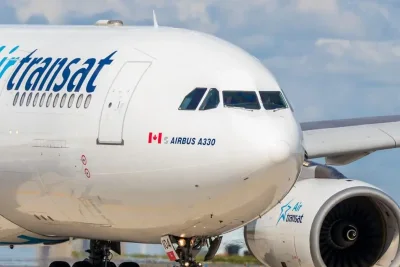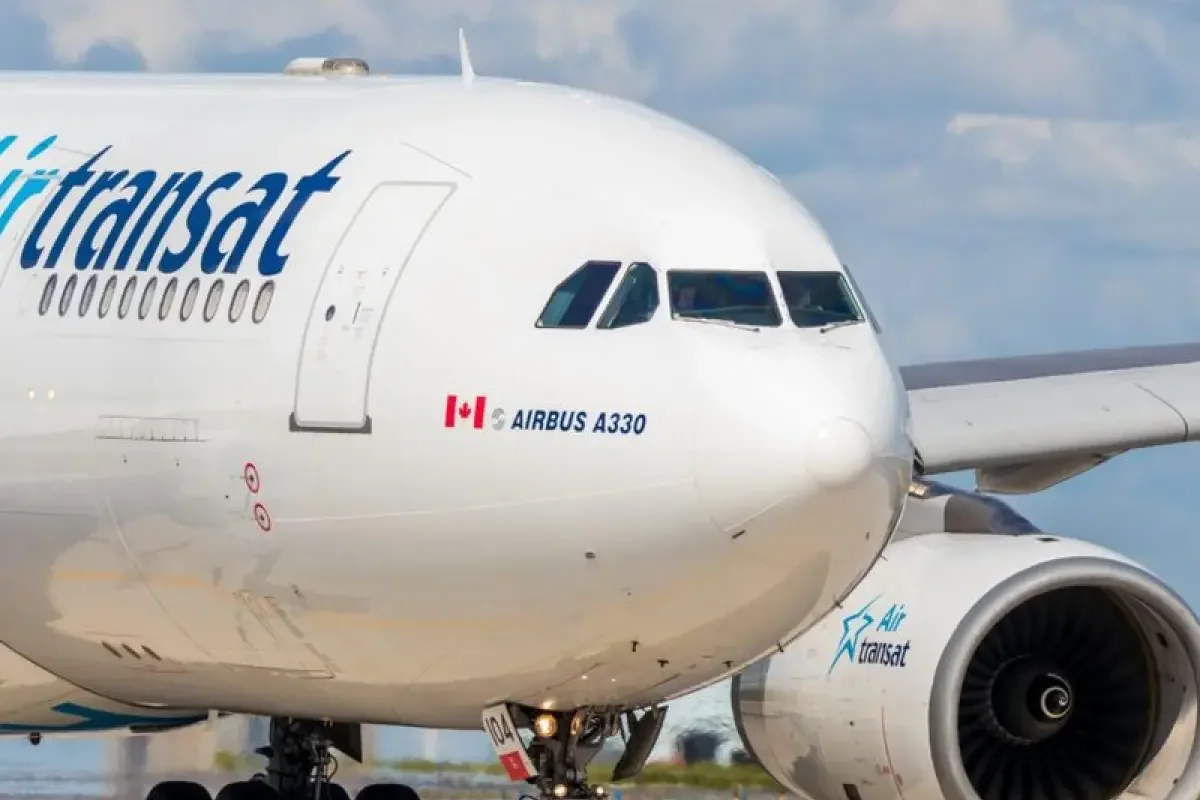
A Canadian labor arbitrator upheld Air Transat's zero-tolerance cannabis policy for cabin crew, ruling that safety obligations outweigh privacy rights.
Arbitrator Nathalie Massicotte dismissed a union grievance on May 7, 2026, confirming airlines can ban employees in high-risk positions from consuming marijuana on or off duty.
>>> Hyundai Recalls Over 424,000 Vehicles for Three Safety Defects
The dispute arose after Canada legalized recreational cannabis in 2018, prompting Air Transat to implement a complete ban for flight and cabin crew, even on days off.
Because cannabis's psychoactive component can remain detectable in hair for up to 90 days, the policy effectively prohibits use during extended leaves.
The Canadian Union of Public Employees (CUPE) Local 4041 argued the total prohibition infringed on private lives since cannabis is legal.
Expert evidence showed cannabis can persist in the bloodstream for days, with residual effects on concentration and judgment still debated.
Air Transat argued cannabis metabolizes differently than alcohol, making time-based abstinence scientifically unreliable for aviation safety.
The airline noted cabin crew intervened in 46 medical incidents, 200 cases with disruptive passengers, and 161 flight-related safety incidents in 2024.
>>> Rain Forces Multiple Connecticut Towns to Cancel Memorial Day Parades
Other Canadian aviation entities maintain strict rules: Transport Canada bans pilots and air traffic controllers from cannabis use 28 days before work, and Air Canada enforces a round-the-clock ban.
In the US, flight attendants face termination for positive cannabis tests under federal rules, with the FAA requiring 25 percent random drug testing for safety-sensitive workers in 2026.
"Passenger safety must take precedence over the right to privacy," Massicotte wrote, noting cabin crews require physical strength and rapid decision-making during emergencies.
She rejected the union's proposal for a 28-day pre-shift restriction, citing inconclusive research on residual effects.
"Perhaps a time-based standard could eventually be applied when research is more conclusive," she suggested.
Air Transat spokesperson Stéphanie Dussault said the policy ensures employees can perform duties at all times, prioritizing safety.
>>> US Honors More Than 1.1 Million Fallen Troops on Memorial Day
CUPE local president Marie-Hélène Nadeau said the union would seek higher compensation for the lifestyle demands imposed by the policy.