Diving experts have issued urgent warnings about the extreme dangers of cave diving without proper training, specialized equipment, and meticulous planning.
This follows a tragic accident in the Maldives that claimed five lives.
>>> Erika Girardi Settles $25 Million Bankruptcy Lawsuit Before Trial
The complex recovery operation was managed by the Divers Alert Network (DAN) at the Dhekunu Kandu dive site in Vaavu atoll.
On Thursday, DAN announced that the bodies of all four missing Italian divers and one local military diver had been successfully retrieved from the underwater cave.
The civilian victims were identified as ecology professor Monica Montefalcone, her daughter Giorgia Sommacal, marine biologist Federico Gualtieri, researcher Muriel Oddenino, and diving instructor Gianluca Benedetti.
Additionally, Mohamed Mahudhee, a member of the Maldivian national defence force, died from decompression sickness after participating in initial recovery efforts.
Unique Hazards of Cave Diving
British cave diver Jonathan Volanthen, who assisted in the 2018 Thailand cave rescue, explained that underwater caves present hazards entirely distinct from open-water environments.
He noted that divers cannot make a direct vertical ascent during emergencies due to overhead obstructions.
"If something goes wrong, you can't simply head to the surface because there's usually something that's preventing that," Volanthen said.
He added that in caves, it's easy to stir up silt, causing zero visibility.
Volanthen emphasized that the combination of zero-visibility conditions and the inability to ascend directly makes exiting a cave exceptionally difficult.
Deeper environments further multiply operational risks, as depth increases gas consumption and decompression dangers.
"The deeper you are, the more air you use, or the more gas, depending on what you're breathing.
Depth generally equals an increase in danger," he said.
High pressure causes gas to dissolve rapidly into the bloodstream, requiring slow ascent to mitigate decompression risks.
Volanthen also highlighted the psychological demands of navigating overhead environments and stressed the importance of proper instruction from reputable agencies.
Equipment and Technique Essentials
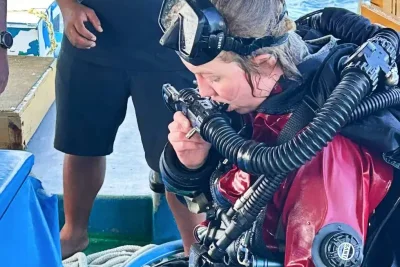
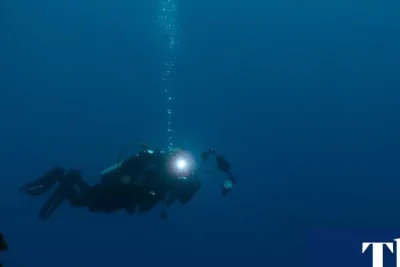
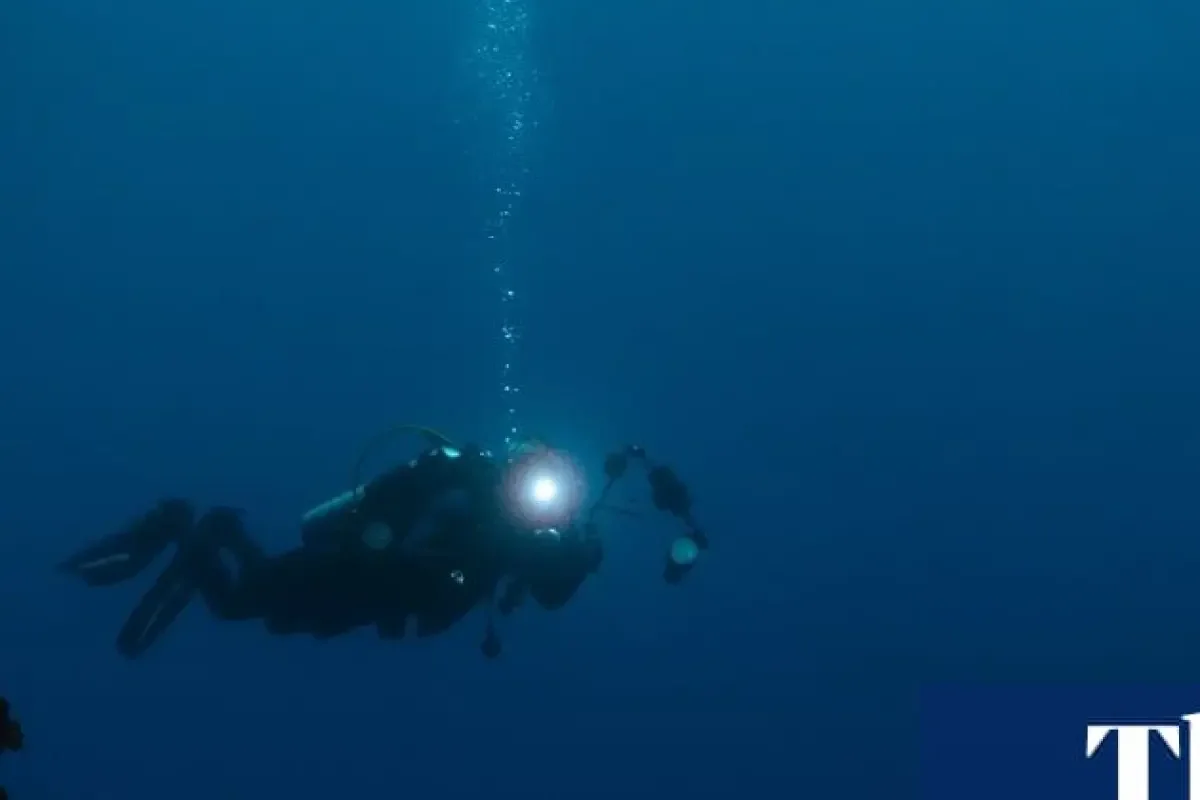
Diving expert Edd Sorenson noted that caves are not just dark but devoid of light.
"When your light goes out, there's nothing," he said, emphasizing that total light deprivation can destroy spatial awareness.
Technical divers are trained to maintain a continuous physical guide line back to the surface at all times.
>>> Star Amusements Signs Lease to Revive Historic Kursaal Building in Southend
Sorenson strongly advocated for equipment redundancy, including independent backups for every critical system.
"We have a minimum of two tanks for your two regulators, we have a three-light minimum rule," he said.
Divers also carry dual dive computers and multiple writing devices.
He warned against using standard open-water flutter kicks, which can disturb sediment and instantly reduce visibility.
Cave divers use horizontal frog kicks to direct water upward or away from the floor.
"If you get close to the bottom, that's going to disrupt the sediment ...
so on a flutter kick, you can instantly go from crystal clear water to zero visibility in the blink of an eye," Sorenson said.
Sorenson criticized overconfident divers who believe advanced open-water credentials cover cave diving.
"If they're exceeding their training limit, exceeding their experience and exceeding their knowledge limits, they're playing Russian roulette," he said.
"Cave diving is a very, very safe sport with good training. It's a very unforgiving sport without."
Bahamas-based cave diving instructor Cristina Zenato, who has completed over 4,500 cave dives, urged people not to demonize the entire discipline.
However, she emphasized that the underwater realm demands strict psychological discipline.
"Is cave diving potentially dangerous? Absolutely.
So is being two metres below the surface because we're not aquatic animals," Zenato said. She stressed that knowing when to cancel a dive is critical.
"You can be super hyper-trained, but I've sat on that water's edge when I said 'not today', and then you're in a car driving back, wondering did I call it right?
And usually when you question yourself ... you know it's the right answer."
>>> Emergency Crews Search Southend Pier After Reports of Men Jumping
Official investigations by both Maldivian and Italian authorities into the specific causes of the Vaavu atoll fatalities remain ongoing.