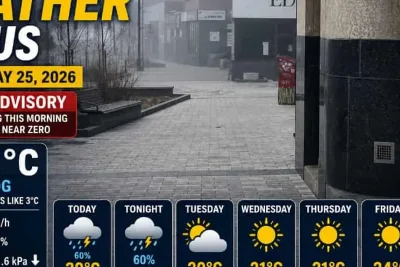
Unseasonably cold temperatures and strong winds delayed the spring planting season for numerous Manitoba farmers on Wednesday, compounding existing financial pressures from high fuel and fertilizer costs across the province.
Farmer Derek Ruchkall faces a week-long delay at his agricultural operation in Anola, roughly 30 kilometers east of Winnipeg.
>>> Paramount May Drop Tom Hardy from MobLand Season 3 After On-Set Tensions
Cool soil and heavy winds have hindered progress despite ideal moisture levels.
"We're not in a panic mode yet, but it's definitely been a struggle, kind of waiting on the weather to get going," said Ruchkall, who spent time repairing equipment while waiting for conditions to improve.
The recent high winds prevented the application of fertilizer and potentially scattered shallow-planted cereal crops. Prolonged exposure to chilly soils threatens overall seed viability.
"You do lose some germination that way, and it does affect the yield at the end of the day," said Ruchkall regarding the impact of cold earth on dormant seeds.
Rising operational expenses have further intensified the challenges brought on by the unfavorable spring climate. Ruchkall said the added weather complications "really hurts."
Provincial Progress Lags
Keystone Agricultural Producers President Jill Verway confirmed that the unusual spring weather has heightened stress levels for regional agricultural producers trying to establish their crops.
"Certainly concern with producers and stress getting the crop in," said Verway, noting that some farmers may need to reseed wind-damaged sections of their fields.
Persistent frost near Portage la Prairie has also prolonged the thawing process, creating problematic wet patches throughout local fields.
"You combine that with high input costs, high fuel costs, high fertilizer — all of those additional tensions are making this year seeding tense," said Verway.
>>> Dunstable Expansion Continues With New Mayor and Major Business Openings
According to the weekly crop report released by Manitoba Agriculture on Wednesday, provincial seeding progress reached 37 percent completion, up from 13 percent the prior week.
This current figure marks a notable decrease from the same period last year, when over 57 percent of provincial farmland had already been successfully planted.
Dennis Lange, a provincial pulse and soybean specialist, noted that the current progress remains close to the historical five-year regional average of 43 percent, though the northwest territory lags further behind.
"Based on weather conditions and field conditions, that's just the way this year has been," said Lange.
The provincial specialist remains optimistic that an upcoming shift in regional weather patterns will quickly alter the current agricultural outlook.
"Things change in a hurry in farming, so what we say today, a week from now, it'll be different once we get this warmer weather kicking in," said Lange.
Producers like Ruchkall previously logged grueling 60-hour shifts over a three-day period to plant crops before the most recent rainfall occurred.
"If the conditions are perfect, you better get your seed in the ground and be on that tractor," said Ruchkall.
The Anola farmer remains dependent on a sustained warming trend to complete his remaining field operations safely before the next major weather event.
>>> Richmond Council Failed to Fund Teenager's Supported Housing After Hospital Discharge
"You just don't know, you know, if you get a week or two of really bad weather or rain events, then we won't be able to get finished seeding," said Ruchkall.