Broader Implications: Stealth, Strategy, and Propaganda
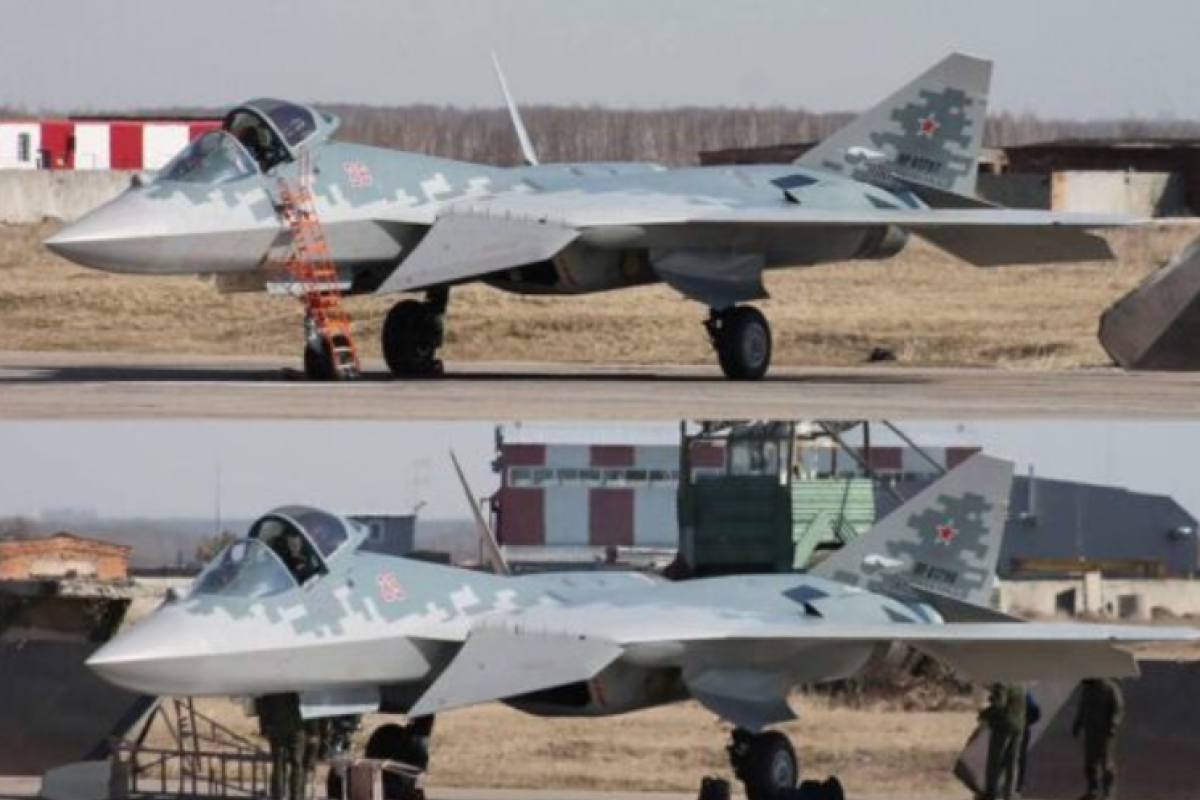
The discovery of these two jets raises questions about Russia’s defense priorities. A gradual uptick in Su-57 production—from just 2-3 units annually to potentially higher rates—could reflect improved manufacturing capacity or a strategic shift toward stealth technology. The jets may also be earmarked for specialized roles, such as deploying hypersonic Kinzhal missiles or conducting electronic warfare, tasks that align with Russia’s evolving military doctrine.
At the same time, the Kremlin may leverage these sightings for domestic and international messaging. Showcasing progress on the Su-57, despite sanctions, reinforces narratives of Russian resilience and technological independence.
Challenges on the Horizon
While the Su-57’s advancements are undeniable, obstacles remain. Western assessments consistently critique its radar-absorbent materials and airframe design, arguing it falls short of true stealth standards. Moreover, Russia’s reliance on imported components and strained defense budget could limit large-scale production. Even if bort numbers 25 and 26 mark progress, building a formidable fleet of fifth-gen fighters will require time, resources, and innovation that sanctions may yet undermine.
Conclusion: A Stealthy Game of Shadows
The enigmatic Su-57s numbered "25" and "26" epitomize Russia’s dual strategy of secrecy and assertion. While their existence hints at incremental progress, the lack of transparency leaves critical questions unanswered. Are these jets destined for frontline duty, foreign sale, or experimental roles? For now, the Felon remains as elusive as its stealth profile—a symbol of Moscow’s ambitions, wrapped in layers of intrigue.