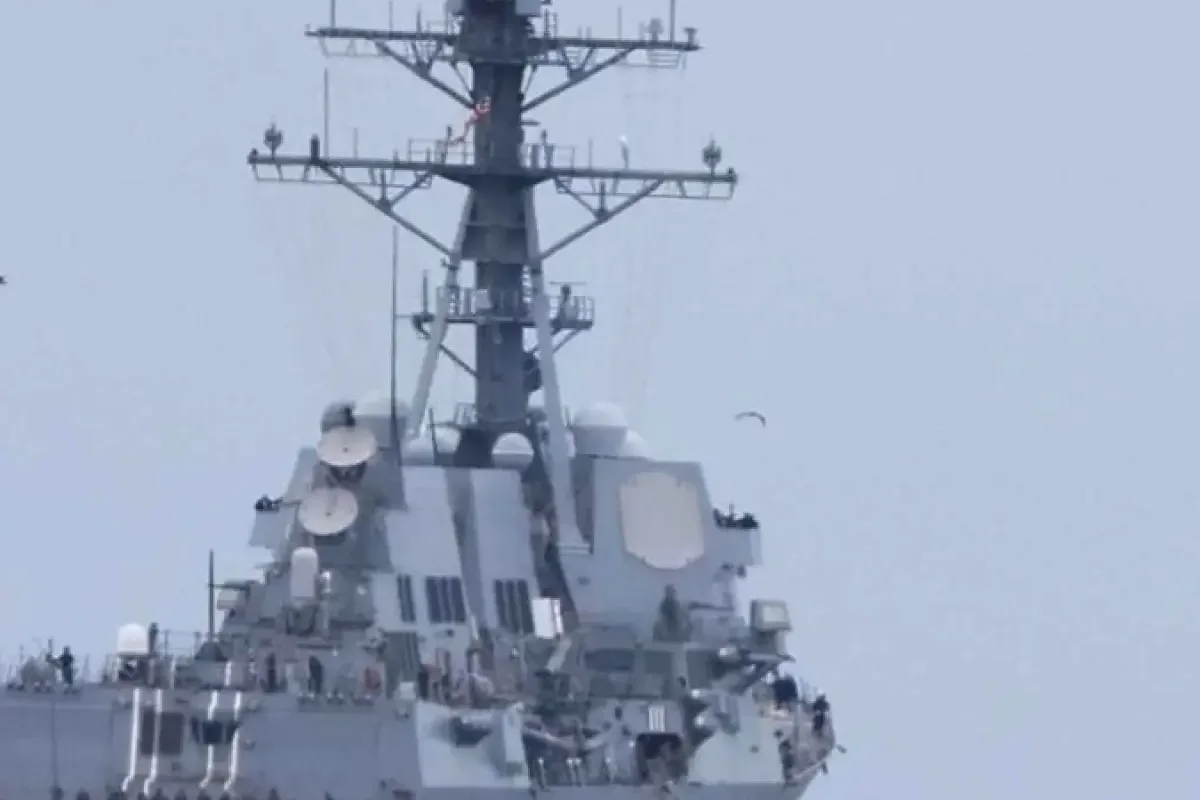
The Department of the Navy has expanded its official fiscal 2026 inactivation schedule to 14 ships, according to NAVADMIN 099/26 published on May 21, 2026.
This update raises the count from earlier reports of 13 vessels.
>>> Minnesota Nonprofit Leader Sentenced to 41 Years for $250M Pandemic Fraud
The list includes submarines, cruisers, an amphibious landing ship, a littoral combat ship, oilers, cargo ships, and support vessels.
Targeted ships are USS Newport News, USS Alexandria, USS Georgia, USS Shiloh, USS Lake Erie, USS Fort Worth, USS Germantown, USNS Red Cloud, USNS Watkins, USNS Pomeroy, USNS VADM K.
R. Wheeler, USNS John Ericsson, USNS Pecos, and USNS Big Horn.
Cost Savings and Schedule
Official budget materials state that five early retirements will reduce operational costs by $14.6 million and generate operational savings of $51.1 million in fiscal 2026.
The Navy noted that these early retirement candidates have become expensive to maintain and carry diminished military utility.
Inactivation dates span from January through September 2026.
USS Newport News is slated for January 31, followed by USNS Big Horn on March 31, several support ships in July, and USS Shiloh, USS Lake Erie, USS Germantown, and USNS Red Cloud in late September.
Disposal strategies vary: three vessels are marked for recycling, one for dismantling, four as Logistics Support Assets for parts cannibalization, and six for transfer to the Maritime Administration (MARAD).
Environmental cleanup must manage hazardous materials like fuel residues, hydraulic fluids, lubricating oils, lead, cadmium, PCBs, and asbestos.
>>> Mayor Mamdani Announces Affordable World Cup Tickets for New Yorkers
The nuclear-powered USS Newport News, USS Alexandria, and USS Georgia are designated for recycling at Puget Sound Naval Shipyard.
This controlled process separates valuable metals for resale and routes non-recyclable materials into regulated waste channels.
Long-Term Shipbuilding Plan
Concurrently, the Navy's May 2026 Shipbuilding Plan addresses chronic schedule delays and cost growth.
The military currently operates 291 battle force ships against a statutory requirement of 355, despite a doubling of the shipbuilding budget over two decades.
The strategy introduces Portfolio Acquisition Executives and Vessel Construction Managers to establish single points of responsibility across multi-yard execution.
The near-term FY27-FY31 framework outlines procurement of roughly 75 battle force ships supported by more than $300 billion in funding.
The FY2027 budget request includes funding for 34 manned ships and five unmanned platforms, with a total of 122 manned ships and 63 unmanned systems planned across the near-term defense program.
The plan projects the total naval inventory to exceed 450 vessels by the early 2030s by shifting to a high-low fleet mix that pairs high-end platforms with more affordable, scalable, and unmanned capabilities.
Structurally, the plan aims to expand geographically distributed production, raising distributed shipbuilding from 10 percent of work today to as much as 50 percent.
>>> Michael Keating, Blake's 7 and EastEnders Actor, Dies at 79
While domestic capacity remains the focus, the documentation indicates the Navy contemplates foreign investment in American shipyards and limited overseas fabrication of non-sensitive modules to accelerate production timelines.