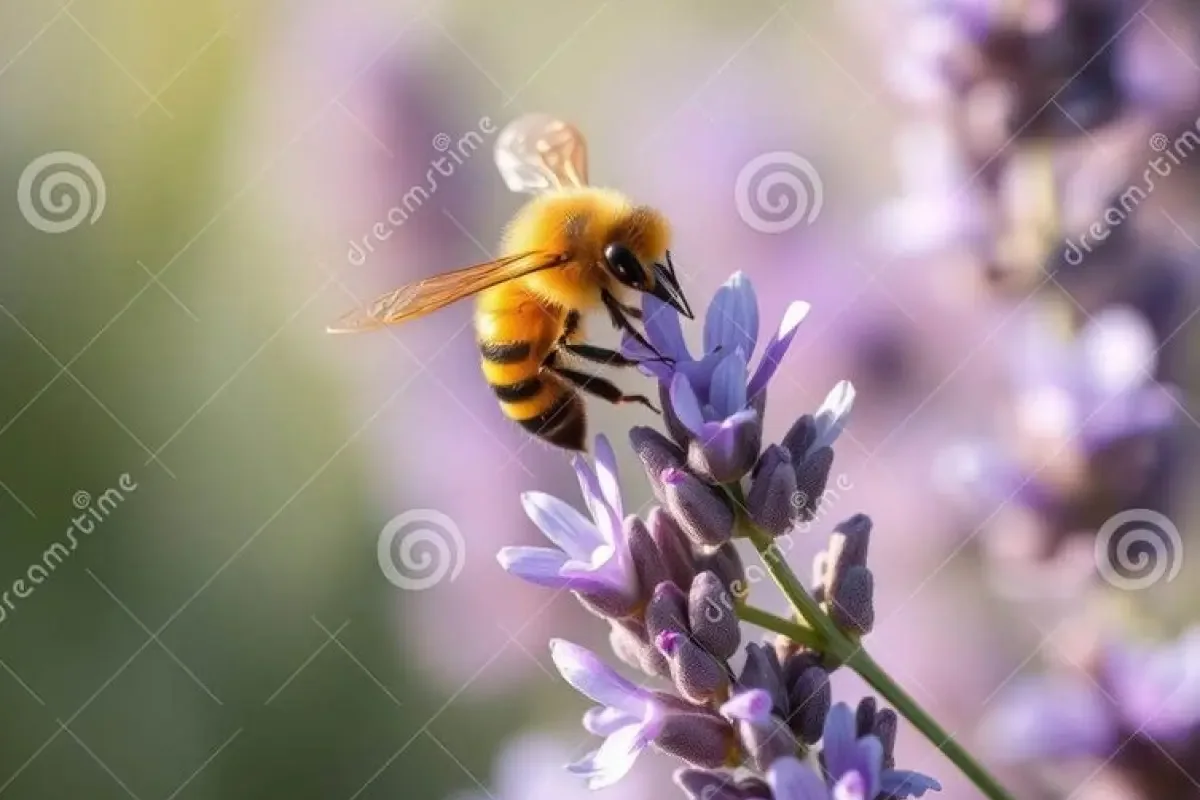
Craft distilleries are incorporating honey into specialized spirits and cocktail recipes to mark World Bee Day on Wednesday, May 20, 2026.
The annual United Nations observance raises global awareness about the environmental threats facing essential pollinators and highlights their impact on agricultural and culinary industries.
According to a report by cleveland. com, the initiative aims to protect bees from habitat loss, pesticides, diseases, and climate change.
The agricultural contribution of bees directly influences food culture, prompting beverage producers to utilize local honey as a primary ingredient in artisan products.
Honey-Forward Spirits from Ohio
Several beverage makers released specific recipes utilizing honey-forward spirits for the occasion. Ohio-based Gervasi Spirits developed Honey Heat Whiskey, which blends local honey and chilis.
Middle West Spirits produced OYO Honey Vanilla Bean Vodka using Ohio wildflower honey and fair-trade vanilla beans. These products highlight the versatility of honey in craft distillation.
International Honey Spirits
International producers also featured honey-centric selections for the event. Tullamore D.
E. W.
introduced a honey-infused Irish whiskey utilizing hives from Bohemia.
The Whistler offered a variation featuring honey harvested from Irish apple orchards. These global contributions underscore the widespread appreciation for honey in spirit-making.
World Bee Day serves as a reminder of the critical role bees play in ecosystems and food production.
Distilleries using honey not only create unique flavors but also support beekeeping and pollinator health.
By choosing honey-based spirits, consumers can contribute to the demand for sustainable ingredients that benefit bee populations. The trend reflects a growing intersection between gastronomy and environmental stewardship.