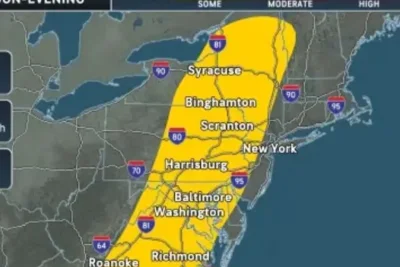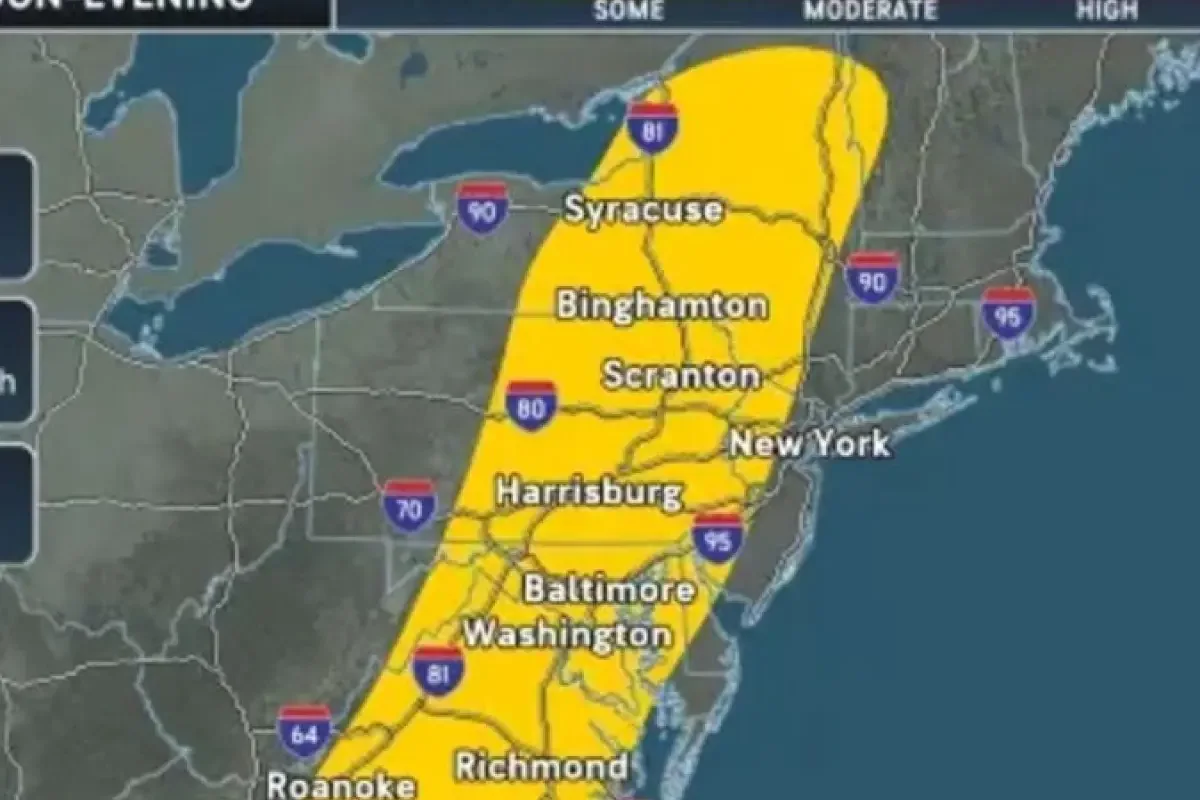
Multiple rounds of severe thunderstorms and oppressive heat are forecast to impact Central New York, the Washington, D.
C. area, and the Philadelphia region through Friday, June 10, 2026.
>>> Bill Gates Testifies Behind Closed Doors to House Panel on Epstein Ties
The National Weather Service issued heat advisories as humidity pushes heat indexes near 100 degrees or higher across these major eastern corridors.
A low-pressure system moving from the Great Lakes will trigger scattered afternoon and evening storms on Wednesday.
Meteorologists warn that these storms could produce damaging winds, small hail, and isolated flash flooding from heavy downpours.
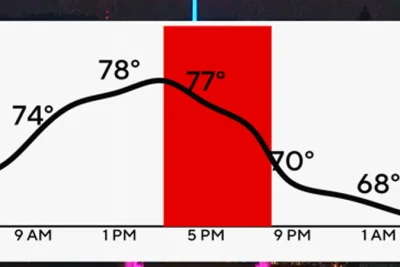
High temperatures will reach the upper 80s before climbing further on Thursday and Friday.
The Philadelphia region faces extreme mugginess as a moist air mass traps daytime heating.
Severe drought conditions persist in the area, with state-declared drought emergencies in effect for New Jersey and Chester County.
Officials note that while the rainfall is needed, the sudden heat presents risks to vulnerable populations.
"It will definitely feel different," said Ray Martin, lead meteorologist with the National Weather Service office in Mount Holly.
Martin noted that humidity and dew points are reaching their highest levels of the year, creating outside chances for severe thunderstorms and isolated flooding downpours through Friday.
>>> Rijkswaterstaat Postpones Major Road Maintenance in Northern Netherlands
"It’s not going to feel nice out there," said Tom Kines, senior meteorologist with AccuWeather Inc.
The heat wave is expected to break over the weekend as a cold front moves south on Friday night.
Drier, cooler air will follow by Saturday, bringing lower humidity and normal temperatures before another weather system approaches on Sunday afternoon.
"It’s all about adaptability," said Samuel Eldrich, director of the Temple Health-Chestnut Hill Hospital Emergency Department.
Eldrich explained that the early heat experienced since mid-April helps residents adapt physiologically and culturally, which has historically contributed to a significant decline in heat-related mortality over the decades.
"You’re more accustomed," said Eldrich.
According to Eldrich, people are more likely to stay hydrated and remain indoors during these short-lived early hot spells because they have adapted to the lifestyle adjustments required for summer weather.
"Let’s hope that streak continues," said Martin.
>>> Lightning Strikes Disrupt Train Traffic Around Utrecht Centraal
The meteorologist expressed hope that the modern trend of shorter-lived heat waves remains consistent, as regional precipitation has tracked below normal for 10 consecutive months.