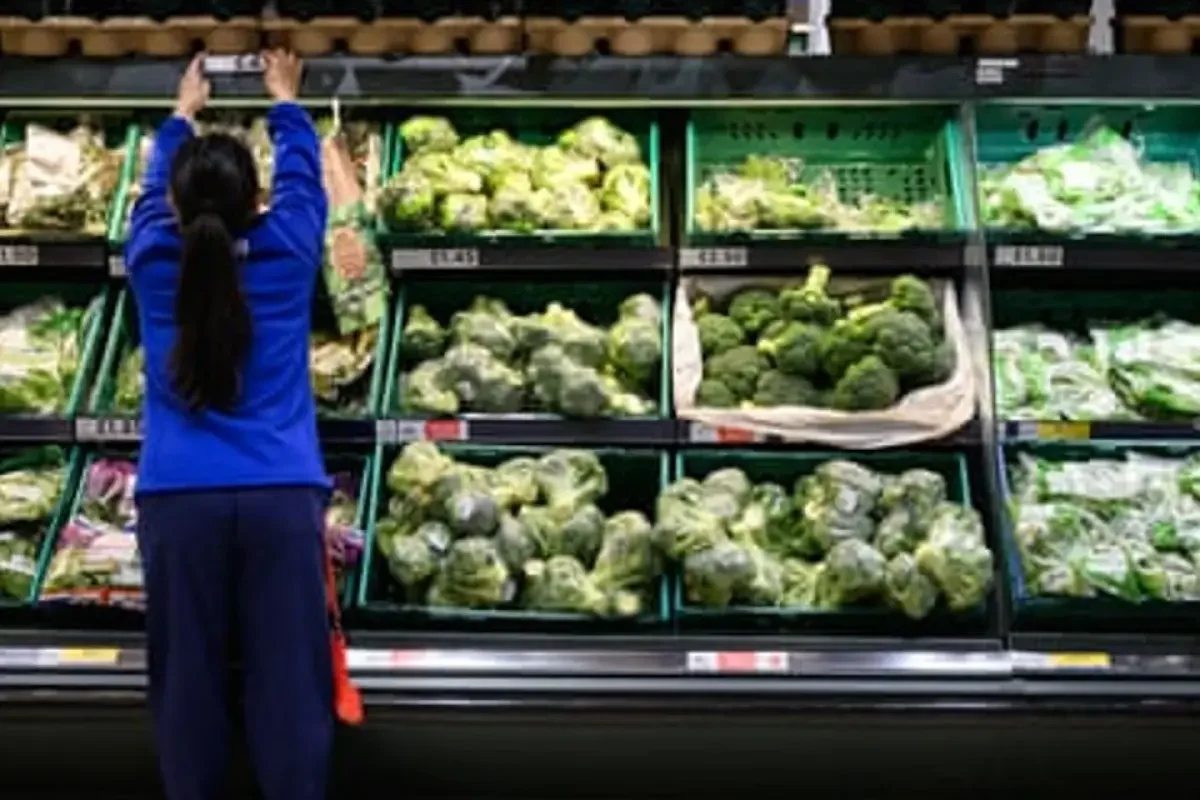
British food experts and industry leaders warned on May 28, 2026, that the United Kingdom faces an escalating national food crisis driven by extreme weather, rising inflation, and the ongoing war in Iran.
Agricultural production suffers under an intense heatwave following a dry spring, while the conflict near the Strait of Hormuz blocks vital supply routes for fuel and fertilizer ingredients like urea.
>>> Wolverhampton Resident Launches Petition for Second Outdoor Swimming Pool
A newly released Food and Drink Federation report reveals that business confidence in food manufacturing has plummeted to negative 64 percent, matching pandemic-era lows as inflation projections hit 9 to 10 percent.
To absorb surging operations costs where energy alone consumes up to 24 percent of expenditures, 82 percent of food firms plan price hikes, a third expect layoffs, and 26 percent will halt investments.
Nine prominent industry figures signed a joint letter to government ministers demanding an emergency update to the national food strategy to address domestic supply chain shocks and rising food poverty.
Experts Call for Government Leadership
Tim Lang, a professor emeritus of food policy at City St George’s, University of London, said the government has received serious advice on food security but keeps signaling all is well.
Lang noted that public readiness is high but lacks state leadership, emphasizing that national responsibilities must prioritize feeding the population during escalating climate heating, geopolitical trouble, and cost of living squeezes.
“Volatility is the new normal.
We are in escalating trouble from climate heating, geopolitics, [the cost of] living squeeze and more,” said Lang.
Lang criticized ministers for failing to establish connections between these intersecting crises and lagging behind public awareness regarding the severity of the supply vulnerabilities.
Military figures backed the policy warnings, connecting ecological collapse and international trade disruptions directly to civil stability and national defense priorities.
Richard Nugee, a retired general, stated that while immediate civil unrest remains unlikely, severe financial stress could force citizens to blame the government and disrupt broken supply lines.
“There is the potential for disruption, of supply chains and of supply, and [the UK may not be able] to provide the sufficient food at the right price for its people.
That is a national security issue,” said Nugee.
>>> FBI Arrests Former CIA Official for Stealing $40 Million in Gold Bars
Industry Faces Mounting Pressures
Manufacturing representatives highlighted that regulatory pressures and a lack of state energy support leave companies with no remaining flexibility to absorb incoming supply chain shocks.
Karen Betts, FDF chief executive, said it’s unsurprising that confidence is low among food and drink manufacturers, as they have been hit by a series of shocks over the past five years and now face significantly rising energy and other costs because of the war in Iran.
Betts emphasized that compounding government regulatory demands at this time creates expensive burdens on an industry providing everyday essentials that households cannot forgo.
“In the last inflation spike, companies made savings to absorb some of their rising costs, but now there’s little flexibility left to do this again.
What’s more, [the] Government is proving inflexible in its own asks of the sector – they are reluctant to offer energy support to intensive users across food and drink production while they continue to layer on regulatory change,” said Betts.
Betts noted that price hikes are unavoidable across all sectors, and called for better government partnerships to shore up industry resilience.
Independent industry analysts confirmed that both producers and consumers remain highly vulnerable to these compounding international and environmental pressures.
Jez Fredenburgh, a senior analyst for food and climate at the Energy and Climate Intelligence Unit thinktank, said farmers and consumers cannot afford this pressure.
Financial reports from the federation show that the industry is also seeking packaging recycling reforms and transitional arrangements for upcoming EU trade deals to ease operational friction.
Dr Liliana Danila, chief economist at the FDF, confirmed that fragile household finances leave very narrow margins to pass escalating transport and packaging costs directly down to British consumers.
Danila explained that maintaining market presence remains the primary goal for most food businesses despite the historic energy crisis unleashed by regional warfare.
Industry data indicates that transport costs have climbed over 20 percent and plastic packaging has surged 15 percent, while global agricultural prices rose 4.1 percent by April.
>>> UK Risks 'Lost Generation' as Youth Inactivity Could Reach 1.25 Million, Report Warns
The Climate Change Committee previously advised the government to maintain domestic food production above 60 percent, warning climate damage costs could reach 2 billion pounds annually by the 2030s.