Lovebugs have returned across Florida for their first seasonal mating period of 2026, blanketing highways and parking lots in late spring despite a documented multiyear decline in their overall numbers, researchers reported in May 2026.
According to reports from University of Florida Institute of Food and Agricultural Sciences (UF/IFAS) researchers, the current spring swarms are heavily concentrated in Central and Southwest Florida, including the Tampa Bay region, the Keys, and south of Fort Myers.
>>> Seven Afghan Nationals Charged with Child Sexual Exploitation in UK
By contrast, northern areas of the Sunshine State like Gainesville are seeing nearly no lovebug activity this season, highlighting a stark geographical disparity that scientists attribute to varying environmental conditions for the insect larvae.
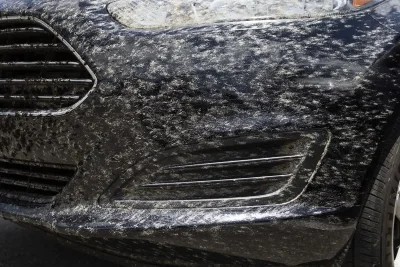
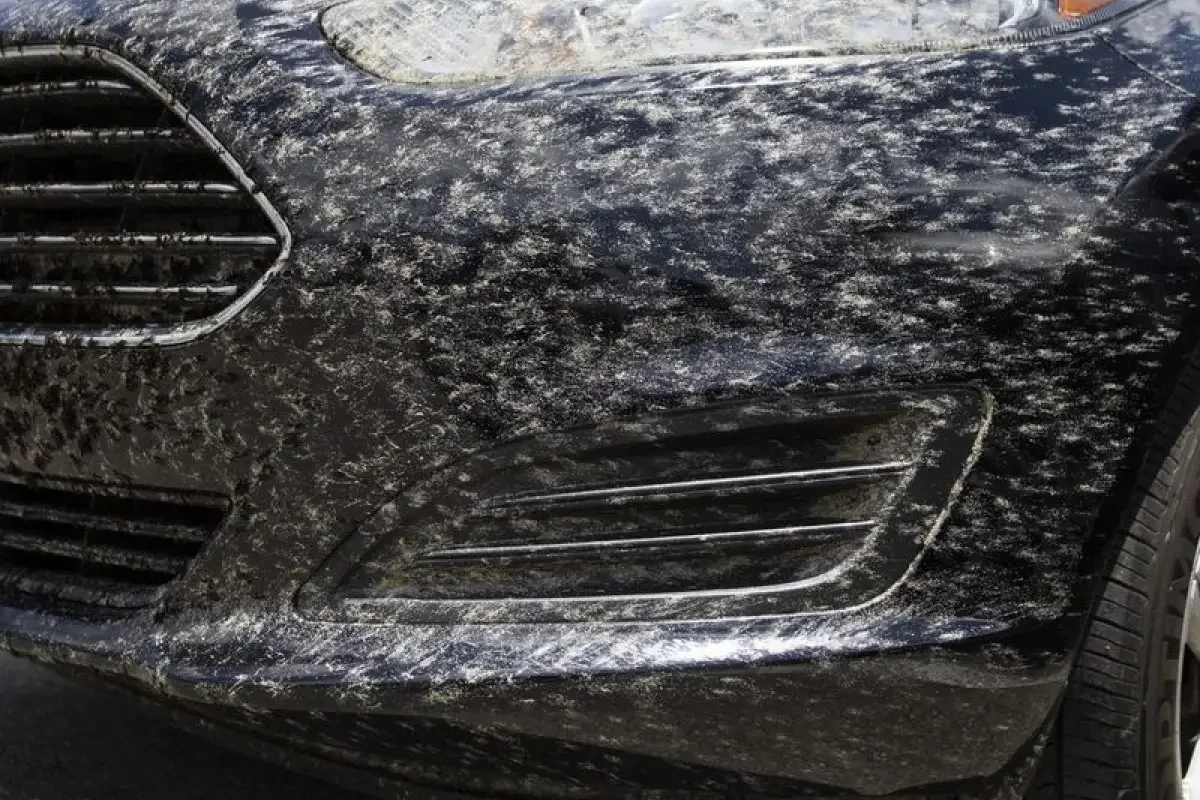
The pesky black-and-red insects do not bite, sting, or transmit diseases to humans or pets, though their habit of splattering against windshields and clogging vehicle radiators causes widespread seasonal frustration for motorists.
University of Florida Professor Norman C.
Leppla, an expert in integrated pest management and biological control who has studied the species since 1972, noted that adult lovebugs are fragile, weak fliers whose synchronized emergence creates the illusion of sudden population explosions.
"Lovebug adults live for a few days," said Leppla, explaining that the insects only stay visible for a brief period in any single area.
Leppla noted that the bugs emerge simultaneously because environmental triggers cause the larvae to mature into adults at the exact same time.
"Lovebug larvae survive in suitable habitats to become adults at the same time," Leppla said.
While adults are considered nuisances, the larval stage helps local ecosystems by decomposing decaying vegetation and recycling nutrients back into the dirt.
A persistent urban legend claims that University of Florida researchers genetically engineered lovebugs to manage mosquito populations, but Leppla clarified that the species migrated naturally into North Florida from Central America and Mexico during the 1960s and 1970s.
>>> Broadcaster Matthew Biggs Dies at 65 After Cancer Battle
"Not by UF researchers," Leppla said.
Leppla's past research with the Tampa Bay Times highlighted a steep downturn in the insect's population over the past four to five years, mirroring global trends in insect biodiversity loss.
While a 2021 study by the Entomological Society of America cited habitat loss, pesticide usage, and rapid climate shifts as potential drivers for broader insect declines, a 2022 UF/IFAS Extension study noted that natural predators might also impact lovebug numbers.
Chemical insecticides offer very little long-term defense against the flying pests during their peak active hours in the late morning and early afternoon.
"Spraying insecticides can only kill lovebugs that are present. Lovebug adults blow downwind and collect on buildings as more fly in.
Their movement depends largely on wind direction," Leppla said.
To clean stubborn accumulations off vehicles before the hot sun bakes the residue into the paint, experts recommend washing cars quickly using water, a waxed finish, or simple household remedies.
"Use a moist cloth or a dryer sheet for easy removal," Leppla said.
>>> USCIS Reports 38.5% Drop in H-1B Registrations, Highlights Geographic Disparities
The current spring lovebug mating season is expected to wind down as May comes to a close, with the next major swarming cycle scheduled to hit the state in August and September.