The sustainable fashion movement promised to transform the industry, but recent events suggest it may have been more about marketing than genuine change.
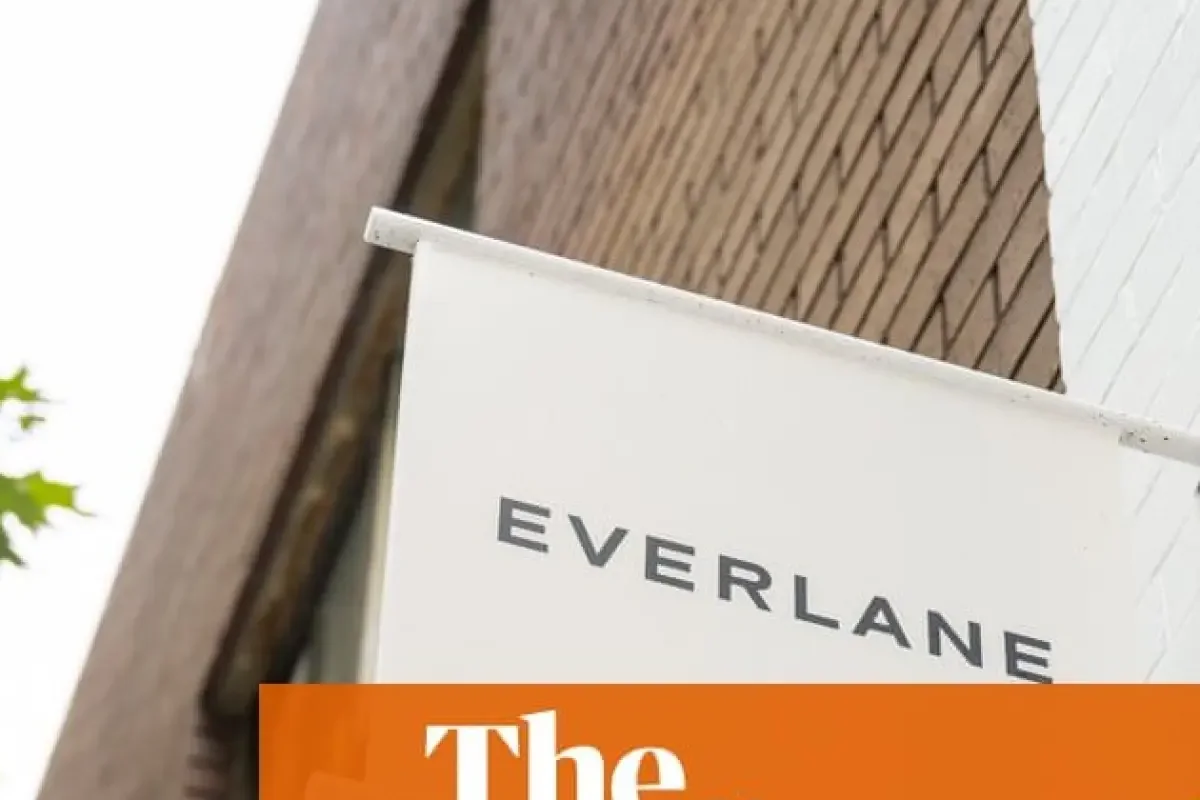
Reports that Shein, the ultra-fast fashion giant, plans to acquire Everlane, a brand built on radical transparency, have sparked widespread disillusionment.
Meanwhile, Allbirds, once a poster child for eco-friendly sneakers, has pivoted to artificial intelligence, abandoning its carbon-neutral materials.
These developments raise a critical question: was sustainability ever more than a buzzword?
The Shein-Everlane Deal: A Green Glow-Up?
According to fashion reporter Lauren Sherman, Shein is in talks to acquire Everlane for around $100 million.
Neither company has confirmed the report, but Everlane has been struggling financially, closing its San Francisco office in April after layoffs in 2020 and 2023.
Shein, known for releasing up to 10,000 styles daily and facing allegations of forced labor, sees value in Everlane's supply chain.
Industry observers suggest Shein may be seeking a green makeover by associating with a brand known for ethical production.
Everlane's founder Michael Preysman once championed radical transparency, revealing costs and factory conditions.
In a 2019 interview, he emphasized that the brand's direct-to-consumer model kept prices fair while maintaining sustainability.
However, the potential sale to Shein undermines that legacy.
If the acquisition proceeds, Everlane's partnership with the innovative Saitex denim factory in Vietnam would be a tiny fraction of Shein's massive, largely unregulated production network.
Allbirds: From Eco-Sneakers to AI Hype
Allbirds, another high-profile sustainable brand, has abandoned its eco-friendly mission.
The company recently rebranded as NewBird and shifted focus to artificial intelligence, causing its stock to surge 600%.
Co-founder Joey Zwillinger once said people buy great product experiences, not sustainable products.
The pivot underscores a broader trend: sustainability is no longer a priority for many companies when profits are at stake.
Both Everlane and Allbirds were darlings of the sustainable fashion movement, but their trajectories reveal the fragility of eco-conscious branding in a profit-driven market.
The Broader Disillusionment
The Shein-Everlane news and Allbirds pivot are part of a larger pattern.
Stella McCartney recently launched a sustainable capsule for H&M, while Lululemon faces investigation for PFAS chemicals.
Many brands have quietly dropped net-zero goals or stopped discussing diversity, equity, and inclusion.
Consumer interest in sustainability is waning, and funding for pioneering organizations like Fashion Revolution and Remake has dried up.
The algorithm, as some say, has moved on.
Serial entrepreneurs like Michael Preysman have moved to new ventures, such as a magnesium-powered hydration startup.
The C-suite is not persuaded by moral imperatives, and shoppers are unwilling to pay premiums for sustainable products.
As the last few months have shown, when sustainability becomes purely about the business case, it loses its meaning.
The movement must return to basics: focus on workers' rights, overproduction, and dismantling consumerism.
You cannot take the politics out of sustainability, but why would you want to?
The challenge now is to define a truly radical approach to system change, rather than relying on marketing illusions.