Former OpenAI safety researcher Leopold Aschenbrenner has significantly increased the disclosed equity exposure of his fund, Situational Awareness LP, to $13.67 billion as of March 31, 2026.
This information comes from a regulatory 13F filing reported by Detik Finance.
The fund more than doubled its positions from $5.5 billion at the end of 2025 during the first quarter of 2026.
Focus on AI Infrastructure
Aschenbrenner directed the massive capital injection into companies building the power and computing backbone of the artificial intelligence industry.
His largest long positions are in firms that initially operated as Bitcoin miners, including IREN, Core Scientific, Riot Platforms, CleanSpark, Keel Infrastructure Corp, Bitdeer, and HIVE Digital.
These companies have aggressively transitioned into high-performance computing infrastructure suppliers due to electricity contracts and large facilities.
This shift is especially relevant as halving events and energy costs impact traditional crypto mining margins.
Bearish Bets on Semiconductors
Conversely, Aschenbrenner placed a combined $8.46 billion in put options against semiconductor companies and chip-related exchange-traded funds.
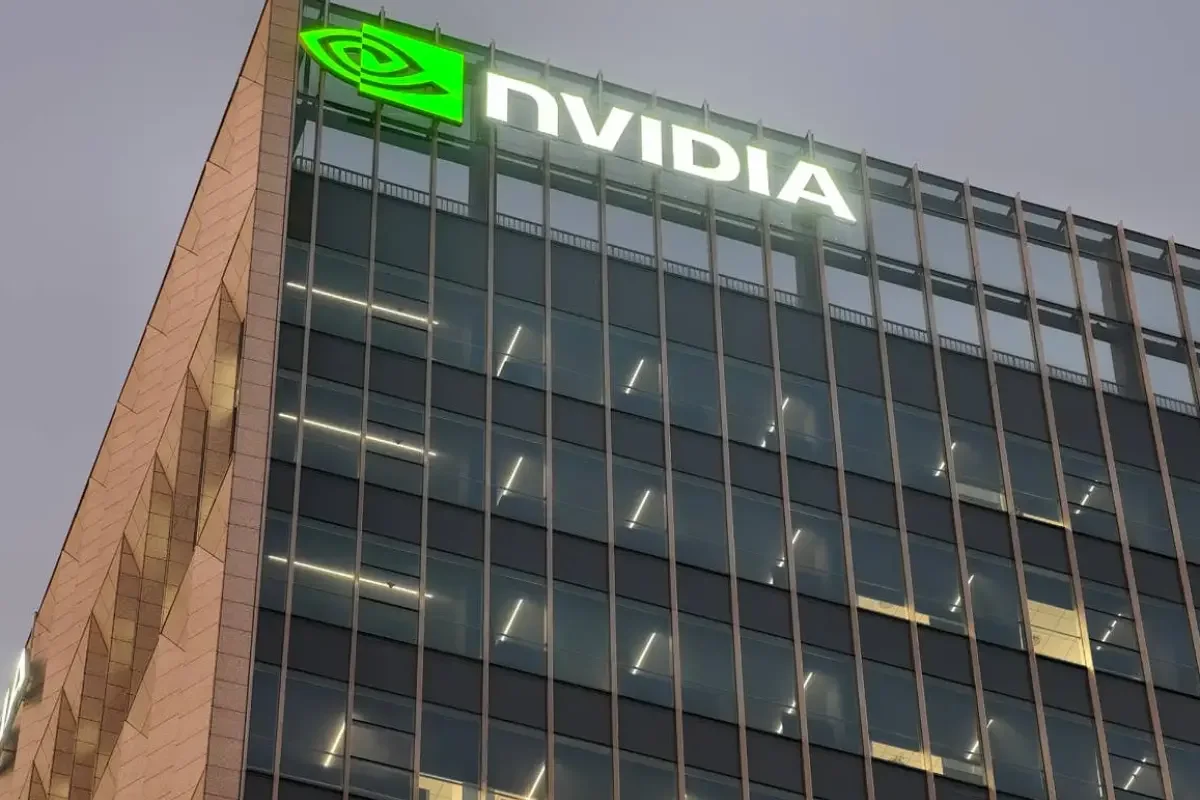
This bearish bet includes a $2.04 billion put against the VanEck Semiconductor ETF, a $1.57 billion put against Nvidia, and a $1.07 billion put against Oracle.
The investment strategy follows Aschenbrenner's high-profile termination from OpenAI in 2024.
After his dismissal, he authored a prominent essay series predicting artificial general intelligence could arrive by 2027.
Before his termination, he raised concerns that the ChatGPT creator lacked adequate safety and security protocols to prevent sensitive AI research from being acquired by foreign adversaries like China.
OpenAI publicly rejected his claims, stating that his termination resulted from leaking confidential information rather than his internal safety warnings.