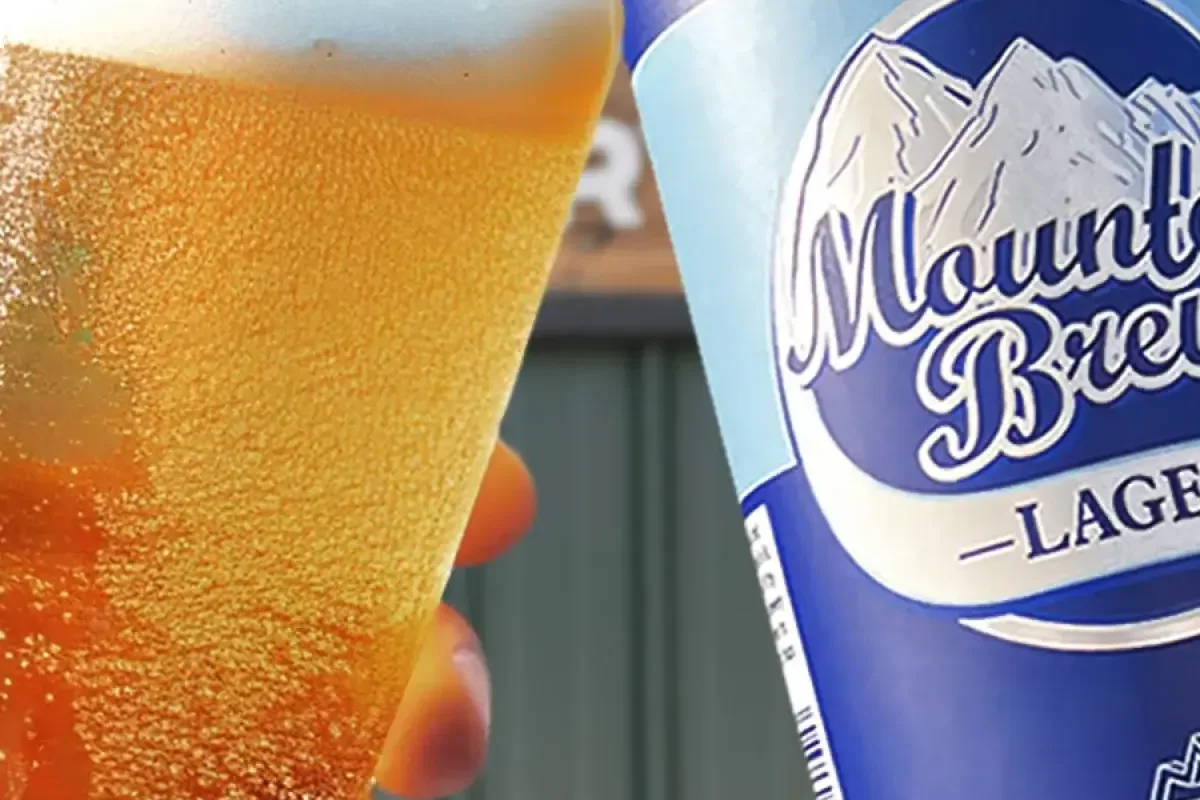
Convenience stores are increasingly turning to private label products as a strategy to attract younger, loyal consumers while enhancing profit margins and brand identity.
Industry experts emphasize that developing winning products requires careful strategic analysis to fully realize these benefits.
Major chains such as Love's Travel Stops & Country Stores, Casey's General Stores, and Wawa have made significant moves in the private label sector.
This shift challenges the traditional association of store brands primarily with big-box retailers or grocers.
Expert Insights on Private Label Success
Sally Lyons Wyatt, global executive vice president and chief advisor at Circana's consumer goods and foodservice insights division, noted that these products help retailers compete with national brands on value, differentiation, and margin.
This is especially important at a time when shoppers prioritize price alongside quality.
According to Wyatt, private label products perform best when they deliver a strong value proposition compared to national brands.
They also carry higher margin potential and connect clearly to the retailer's identity.
Peggy Davies, president of the Private Label Manufacturers Association, indicated that retailers can establish distinct, trusted store brands that compete effectively with national names on quality, innovation, and value.
"Own brands are no longer a defensive strategy," said Davies. "It's become a growth engine and a brand-building tool for today's convenience retailers."
Isaac Krakovsky, consulting retail sector leader at EY Americas, observed that the assortment of private label offerings varies widely across the industry.
While some convenience retailers do not sell store brands at all, others see private labels making up 30% of items sold, with plans to reach 40% to 50% penetration in the future.
High-Potential Categories for Private Labels
Specific categories offer highly attractive opportunities for convenience retailers looking to expand their proprietary lines.
Energy drinks represent a high-potential category because they serve as top traffic drivers for convenience locations.
Wyatt explained that consumers show a strong openness to experimenting with diverse flavors and formats in the energy drink market.
Furthermore, current pricing structures leave ample room for credible, value-driven alternatives.
Wyatt added that private label energy drinks achieve the greatest success when they are clearly differentiated from national brands in value or experience.
Success also depends on making the beverage feel intentional rather than generic, and integrating it into a cooler placement strategy that avoids crowding from premium brands.