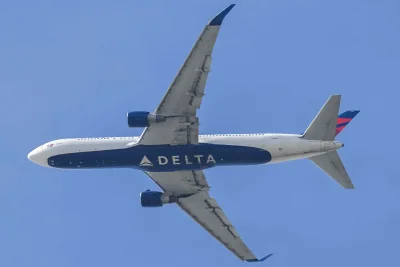
Delta Air Lines (NYSE: DAL) is putting its premium-focused strategy to the test as jet fuel prices surge in 2026.
The airline has been shifting toward premium cabin revenue, loyalty programs, and income from its co-branded American Express credit card to cover costs through industry volatility.
>>> Broadway Musical Beaches Closes Early After Tony Nominations Snub
Now, with fuel costs doubling due to the conflict in the Persian Gulf, investors are watching closely to see if the strategy holds.
Delta's Challenges in 2026
The travel industry has seen rapid changes this year. In mid-March, Delta's management presented at the J.
P. Morgan Industrials Conference with positive market outlooks.
The company raised its first-quarter revenue guidance from 5%-7% growth to "high single digits."
CEO Ed Bastian described sales as "very, very strong all quarter long," particularly during the March spring season, a key period for travel bookings.
>>> TLC Sets Premiere Date for Baylen Out Loud Season 3
The Iran war began in late February, but its impact was not yet clear in March.
By May, the closure of the Strait of Hormuz drove crude oil above $100 per barrel.
The jet fuel crack spread—the difference between crude oil and jet fuel prices—reached exceptional levels.
Bastian noted on the April earnings call that fuel costs were "roughly double what they were earlier in the year."
>>> Galaxy Digital Receives New York BitLicense to Serve Institutional Clients
The airline industry now faces sharply higher costs, even as demand remains strong. Bastian added, "The acceleration we saw in March is carrying forward into the June quarter."
Where Is Delta Heading in 2026?
The outlook is mixed. Wall Street analysts have raised full-year revenue targets while significantly lowering earnings and cash flow forecasts.
Revenue expectations are higher due to a strong first quarter and price increases in response to fuel costs.
However, available seat miles (ASM) are lower as Delta reduces capacity until jet fuel prices moderate.
The consensus estimates a $4.3 billion increase in fuel costs, which is hurting operating income and free cash flow (FCF).
>>> Leerink Partners Upgrades Johnson & Johnson to Outperform, Raises Price Target
Delta's premium strategy—including higher-margin seats and loyalty revenue—is designed to buffer such shocks. Whether it can fully offset the fuel cost surge remains to be seen.