Iran has introduced a new marine insurance policy for vessels navigating the Strait of Hormuz, turning its blockade into a strategic tool.
The waterway handles about 20% of the world's liquefied natural gas and petroleum supply.
According to reports, Iran has been leveraging control over the strait since the outbreak of war between the U.
S. -Israel alliance and Iran in late February.
Ongoing risks from drones, missiles, and sea mines had forced major shipping firms and marine insurers to halt operations in the area.
Background and Impact
The supply blockade pushed global oil prices near $110 a barrel, sparking inflation fears across international markets.
In response, Iran established new transit terms in April, requiring ships to follow specific routes near its coast, undergo background checks, and submit detailed cargo information.
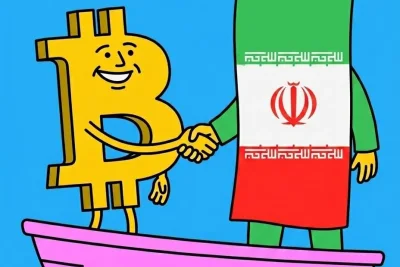
To circumvent global financial sanctions, Iran also updated the transit payment system by integrating Bitcoin transactions.
The newly proposed insurance framework marks the latest development in Iran's strategy to oversee the critical waterway.
Fars News, a media outlet close to Iran's Islamic Revolutionary Guard Corps, reported on May 18 that the country's Ministry of Economy is designing a plan to facilitate management of the Strait of Hormuz through insurance mechanisms.
This structure allows the issuance of certificates of financial responsibility and marine insurance policies.
The ministry stated that the model enables Iran to maintain control over the Strait while remaining acceptable to other nations during peacetime.
It also provides a mechanism for Iran to differentiate between vessels traveling from various countries.
Revenue and Implementation
Managing the Strait of Hormuz through this insurance program is estimated to generate $10 billion in revenue for Iran, though the publication did not provide further specifics regarding the valuation.
The Ministry of Economy has been developing the plan, dubbed Hormuz Safe, since early May and intends to implement cryptographically verifiable insurance policies for shipments.
The scheme is seen as a way for Iran to assert control over the strategic waterway while creating a new revenue stream.
It also allows Iran to monitor and regulate traffic more closely amid ongoing regional tensions.