A major Carl's Jr. franchisee operating 59 restaurants in Southern California filed for Chapter 11 bankruptcy protection last month.
The company cited rising operational costs and California's new $20 hourly minimum wage law for fast-food workers as key factors.
Financial Struggles and Court Filings
The franchisee, Harshad Dharod, stated in a Central District bankruptcy court filing that his outlets generate more than $6 million in monthly revenue.
However, they lose over $600,000 per month this year.
“This distress was driven by a significant increase in labor costs following changes to California law establishing a $20 per hour minimum wage for fast food workers,” Dharod said.
He told the court that business conditions became particularly severe over the last two years.
This left insufficient cash flow for rent, supplies, insurance, and payroll.
“If payroll is not paid or vendors cease delivering goods, the debtors would be forced to shut down restaurant operations within a matter,” Dharod added.
Impact on Carl's Jr Network and Employees
The financial filing impacts approximately 11% of the burger chain's operations across California.
The brand's footprint in the state decreased by 4% from 613 units in 2023 to 588 units in 2025.
Commercial real estate tracker DealGround noted that the legacy brand faces widespread economic headwinds.
“These guys were first at the party in Southern California,” said Chris Rodriguez, co-founder of DealGround. “Now, it’s kind of like they’re swimming upstream in every lane.”
The economic strain caused the domestic Carl's Jr. network to shrink by 3% in 2024.
Its sister brand, Hardee's, saw its network contract by more than 10% between the start of 2023 and the end of 2025.
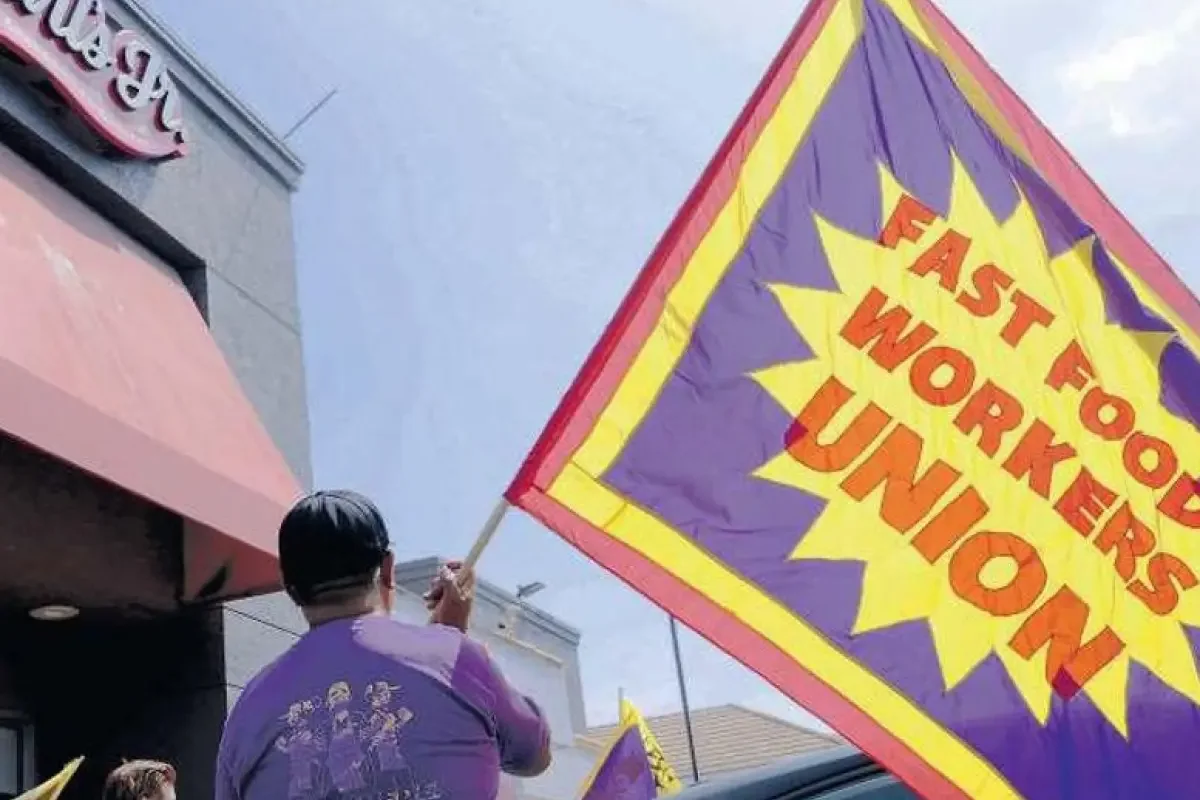
Employees at the impacted locations have staged walkouts, alleging cost-cutting measures have left restaurants understaffed.
“It’s a problem from the top. They don’t want to spend,” said Elizabeth Alvarado, a Carl’s Jr. worker in Northridge.
Store employees also stated they felt undertrained and exposed to workplace violence while managing high customer volumes.
“I need my job, and I do the best I can. But, I can only do so much,” Alvarado said.
Corporate representatives responded by distancing the parent firm from the franchisee's specific financial challenges.
“This situation is specific to this individual franchisee’s financial and business circumstances,” said a spokesperson for Carl’s Jr. and its parent company, CKE Restaurants.
The corporate office added that the company remains dedicated to maintaining customer experiences and supporting sustainable growth.
“We remain committed to delivering quality experiences for our guests, while driving profitable, sustainable growth for our franchisees and brand,” the spokesperson said.
The 59 franchise locations involved in the court proceedings continue to maintain regular business operations as of mid-May.