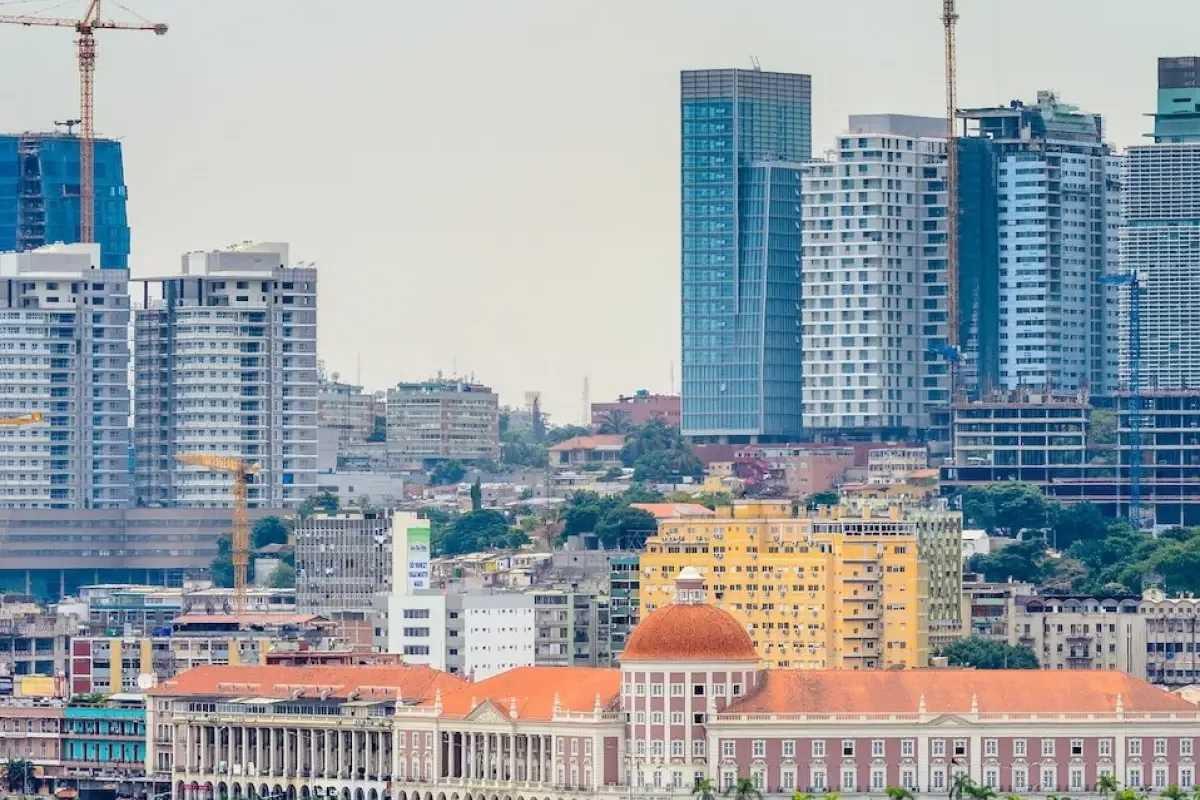
Zambia and Angola have both reduced their benchmark interest rates to boost domestic economic growth, lower borrowing costs, and encourage investment activities.
This policy shift aims to strengthen financing conditions for industries and accelerate infrastructure development in both nations.
Bank of Zambia Cuts Rate to 13.25%
The Bank of Zambia reduced its benchmark interest rate by 25 basis points to 13.25% in May 2026, continuing its monetary easing cycle.
This decision follows an earlier 75-basis-point reduction in February 2026, which brought the rate down from 14.25% to 13.5%.
Policymakers cited sharply slowing inflation, a stronger kwacha, and expectations of a bumper maize harvest from the 2024/2025 season as key drivers.
Annual inflation in Zambia slowed for four consecutive months, reaching 6.8% in April 2026, down from 7.1% in the previous month.
The current inflation rate sits within the central bank's target range of 6% to 8%, with expectations to stabilize faster than initially projected.
Favorable weather, stronger copper prices, and improving macroeconomic stability are expected to drive consumer spending and business expansion.
Angola Continues Easing Cycle
Angola's National Bank cut its key interest rate by 50 basis points to 17% during its May 2026 monetary policy meeting.
The central bank previously maintained an interest rate of 17.50% during its meetings in March and April 2026.
Angola's annual inflation rate dropped to 11.58% in April from 12.42% in March, marking its lowest level since June 2023.
Earlier in January 2026, the central bank had lowered rates by 100 basis points to 17.5%, following reductions from 19.5% in August 2025.
The Monetary Policy Committee revised its 2026 inflation projection downward to 11.5% while keeping the GDP growth forecast at 3.5%.
The ongoing rate cuts aim to stimulate industrial investment and improve financing conditions, despite elevated global geopolitical tensions.